There is no absolute pattern for the way levers are set out, but a major consideration was to ensure that the various horizontal bars and rods in the locking underneath the levers were no longer than necessary. Generally, the levers for the signals on each running line were at the end from which the train came, with only levers related to any level-crossing beyond them: in (say) a 40-lever frame with the Up line coming from the right, Down signals might be 1-5, with 1 the Down Distant, and Up 40-44, with 44 the Up Distant. If there was a crossing at the Up end, then the Up signals might be 37-41 and the various barrier levers 42-44. This principle continued to apply when the general preference for lever frame siting changed from the old one where the signalman looked over the levers to the line, to ‘back to traffic’ when he had his back to the line when standing at the frame. Numbering in almost all cases was done left to right when standing at the frame, however it was orientated. it was also quite common to concentrate those points that were most often used together somewhere in the centre and for ground signals to be adjacent to the points they were related to. However, there are plenty of exceptions to just about all these rules.
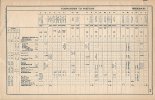
Back in the distant past, it was normal for goods traffic to continue running on a Saturday, which was part of the normal week. Therefore you might get traincrew signing on late on Saturday and not finishing until after dawn on Sunday: it costs the railway no extra because they were still on the normal weekday rate as they had signed on on Saturday. For those trains you needed signalboxes and the signalmen there would have also signed on on Saturday on basic rate, so they could work through to the end of the shift: often 06.00, but sometimes they had to stay on for an hour or two to clear the last stragglers (the overtime is at weekday rate). Sunday was slightly better paid, so the railway tried to avoid running goods trains and often didn’t run much of a passenger service: so fewer boxes are required. When the service restarted on Monday, the would have as few traincrew as possible signing on on Sunday night, so fewer trains running early on (that is why many early goods are MX in the working timetable) and not so many boxes required: some boxes might open before the standard opening time, but an hour’s overtime by the early turn is cheaper than a whole shift at Sunday rate.