Devolving the Valley Lines is a complex business, says NR
RAIL
Rhodri Clark
17 March 2017
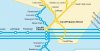
Network Rail has outlined the complexities involved in transferring responsibility for the Valley Lines network of railways above Cardiff to the Welsh Government.
The Welsh Government wants vertical integration of track and trains on the core Valley Lines network as part of the 15-year Wales & Borders franchise, due to begin in October 2018.
The franchisee, described as an operator and development partner (ODP), would manage the services and infrastructure, including enhancements such as the proposed electrification and conversion of the lines to light rail operation.
Welsh Government officials are conducting a competitive dialogue process with the four shortlisted bidders whereby the bidders propose technical solutions before being invited to submit formal tenders.
In evidence to a National Assembly for Wales committee, Network Rail says it is obliged to demonstrate “realisation of value” from the Valley Lines transfer, in line with Treasury Green Book rules. A ‘Five Case’ model business case is required to do so. Network Rail says the transfer would have to hold it harmless from:
• inefficiencies arising from the Wales Route’s changed geography;
• reduced income, which is not matched by reduced costs;
• effects on current or future Control Period settlements, which cannot be renegotiated with the Office of Rail and Road; and
• and liabilities, mainly the value of debt associated with the assets but also obligations relating to the infrastructure.
Network Rail has given the franchise bidders “in-principle commitments” to facilitate a variety of possible outcomes from the competitive dialogue. These include Network Rail retaining the core Valley Lines or divesting them to the Welsh Government, and infrastructure changes “to facilitate interconnected services on a different pattern to present”.
Complete segregation of the core Valley Lines is another possibility, which, says NR, would introduce “novel interfaces to the Cardiff area”. Currently passenger trains from the Valleys operate through Cardiff Central to Bridgend via Barry. Occasional coal trains still operate on the lower part of the Rhymney Valley branch, serving an opencast site at Cwmbargoed.
“This is a novel procurement, both in terms of programme and award,” Network Rail told the Assembly’s economy, infrastructure and skills committee inquiry into the new franchise. “The procurement programme is driven by two determining factors: the expiry of the current franchise (October 2018) and the bringing into service of core Valley Lines service enhancements to meet European funding deadlines (2022/2023). Challenges also exist in the wider rail service geography, including the introduction of new rolling stock accessible to people of reduced mobility (2020 unless deferred).
“Network Rail’s view is that the procurement timeline is both understandable and very challenging, particularly in relation to the delivery of interventions in the core Valley Lines.
“The accurate description of the core Valley Lines and their conveyance from Network Rail to Welsh Government, as well as the transfer of the infrastructure manager business to the successful ODP, is a large and complex transaction. Due diligence and final terms for both will not be complete prior to the award of the rail service grant.”
There are two elements to the proposed Valley Lines’ further devolution: transfer of asset ownership and control to the Welsh Government; and transfer of the infrastructure manager role to the ODP. “These two elements need not occur at the same time,” says NR. “The infrastructure can continue to be managed by Network Rail as an agent of the new owner, Welsh Government, until such a time as the ODP is in a position to assume the responsibility of infrastructure manager. This might even be done on a line-by-line basis, if appropriate. Network Rail continues to offer a flexible approach to Welsh Government to mitigate risks that might arise from the challenging programme.”