coppercapped
Established Member
I'd be surprised if that were the reason. Do modern bodyshells rely on the glazing in the windows for structural rigidity?
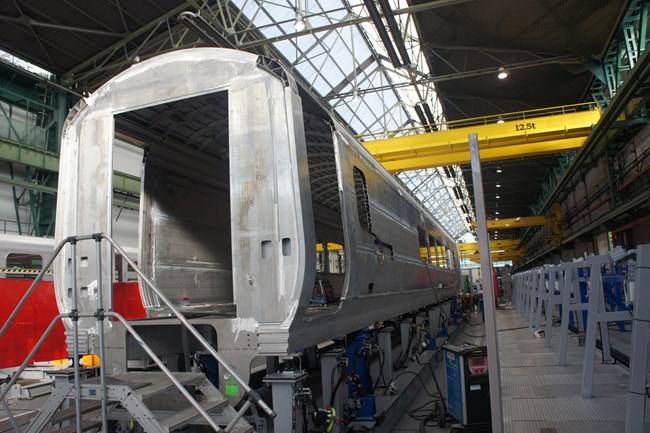
No. The reason is, I suspect, different. From the photograph of the bodyshell on the CAF web site, the coaches appear to be made of extruded aluminium planks. These are double-walled, i.e., have an outer and an inner skin linked by longitudinal webs[*]. This form of construction makes a very rigid bodyshell.
If the window opens it will have to slide over the inside skin (unless it's a hinged opening window!); as a result it will take up space on the inside of the train. Cutting away the inner skin and webs to get the glass closer to the outer skin will certainly affect the stressing and add expense as another manufacturing step will be needed.
Anyway, why do some people want to add potential sources of noise, draughts and corrosion to what is supposed to be a quiet coach?
[*] There's a section of a Class 165/166 body in the museum at York if anyone wants to see a real life example.