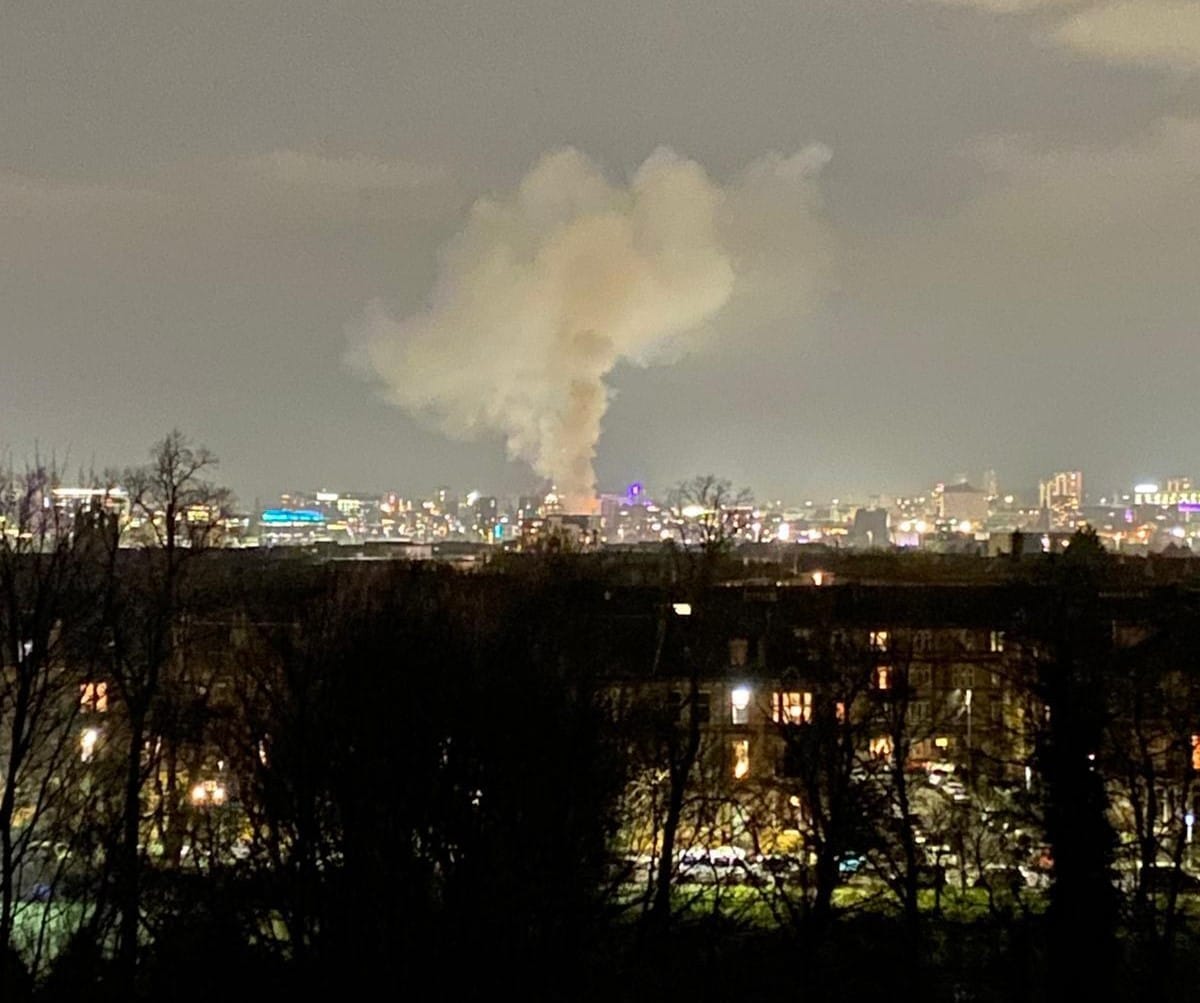
And this is what I don't understand. With the station closed, the railway must be losing a large amount of fares. Anyone got an estimate?
Let's make up some numbers and say it's £250k+ per day, and say £2+ million per day impact to the wider economy. So you could spend up to £250k per day (every day!) on mitigation measures to get the services up and running and still break even compared to waiting another day or three for everything to be ship-shape.
You could knock temporary exits through walls, set up contraflows through the vehicle ramp, employ 200+ people for crowd control, charter a Chinook with a big claw to lift away the remains of the building, <insert daft idea here>. But I'm amazed that, with the scale of daily losses, there won't even be a single train run into the station tomorrow. Where's the urgency? Why aren't they paying someone 300k to install a crash deck above the concourse this afternoon, just in case, if that could bring forward reopening by a few hours? Why isn't the government taking a whole-society view and spending millions per day on this?
I'm sure there's dozens of people from the railway who are working hard on this, but the scale of the response doesn't seem to match the scale of the disruption.