InTheEastMids
Established Member
- Joined
- 31 Jan 2016
- Messages
- 1,397
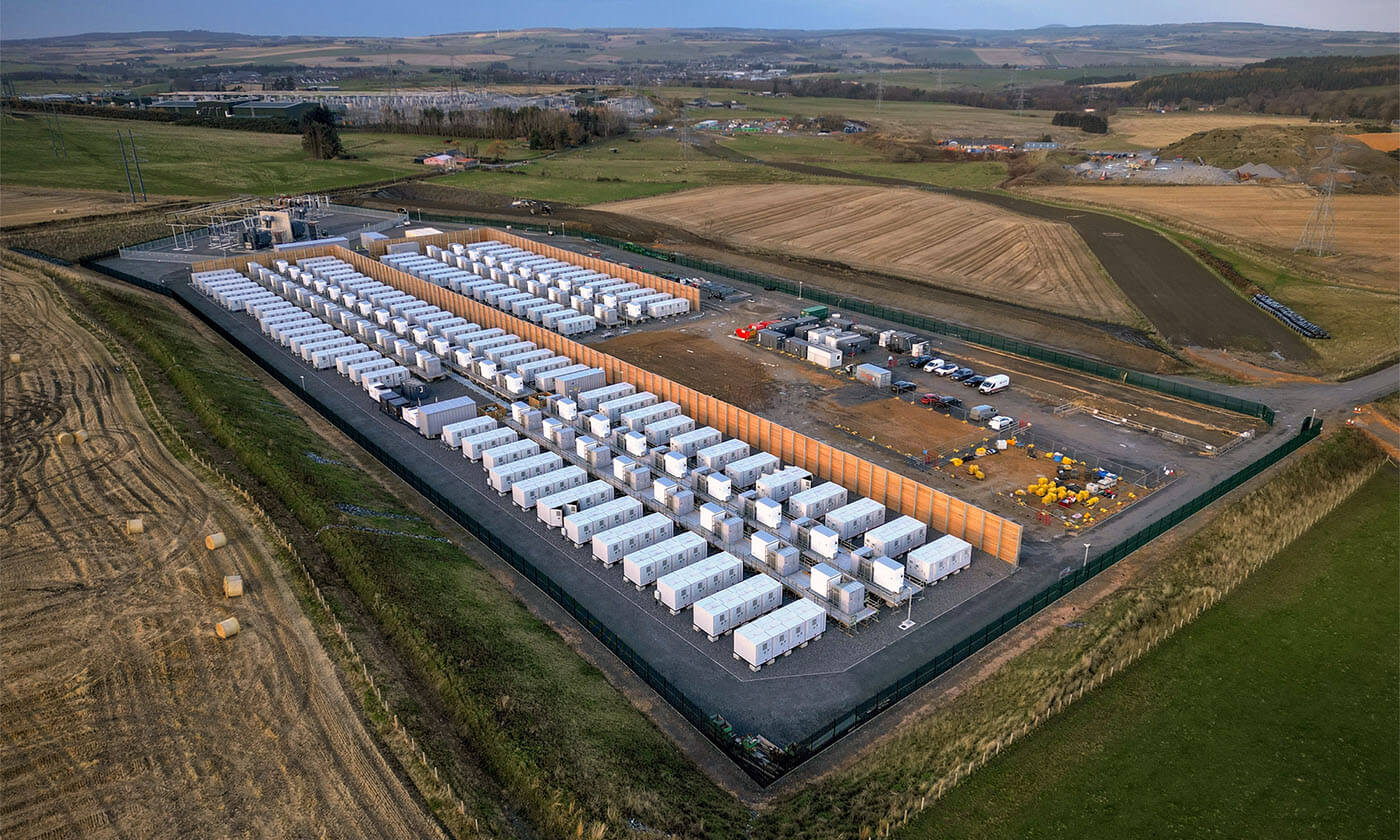
I think the total installs are still in the tens of thousands, so it probably is becoming measurable, but not a big contributor.Another aspect that might skew demand is home solar battery installations.
Some customers also have a diverter that allows solar to be directed to the immersion heater in the hot water tank. Obviously not all solar customers have this because it adds cost and many homes don't have a hot water tank, so I have no clue how many of these are out there, but at a total guess I would say it's perhaps a similar impact to home batteries at the moment.
Customer behaviour also shifts - it's sunny here now, so the dishwasher is on and the washing machine is doing a hot water drum-cleaning cycle.
DESNZ stats indicate we are adding about 100 MW each month over the last year or so, 17.5 GW at end of January 2025 vs 16.4 GW this time last year.Solar will almost certainly break the record, last year was a dull year sunshine wise and yet still achieved a new record.
The System Operator needs to know with good accuracy how much solar, renewable and other embedded generation is producing, and from an operational perspective have have a strong interest in getting it right, rather than pandering to any particular point of view.To suggest that they are being deliberately over-egged as a result of industry funding comes across as a bit of a heard-it-on-Facebook conspiracy theory to be honest
The grid needs to have inertia to help resist short-term changes in supply and demand.
This inertia can be thought of as the electrical manifestation of the rotational momentum from "spinning metal" generators in power stations at 3000rpm (50 Hz)
No point arguing about the rights/wrongs of it, but the fact is that GB has a lot less spinning metal generators. They've been replaced by solar/wind which don't use spinning metal and don't provide any inertia. Also, small-scale generators of all types will automatically disconnected if the grid frequency falls to far from 50 Hz (and there's now about 6.5 GW of solar capacity in systems <50 kW)
So if you are a senior leader at NESO, and it is your job to keep the lights on when things go wrong, then you really need to know how much inertia you've got in the system, because you are going to need to ensure you've got a backup plan. If not, NESO is in breach of its licence and you might lose your job. So you're not going to fund work that deliberately mis-states the amount of solar on the system because of an industry lobby, or Woke, or whatever.
That being said, there are a lot of industry-funded studies from all directions that selectively use best-case or worst-case data to produce studies that support their own lobbying positions. For instance, some years ago I had to explain to people how two different, equally glossy reports conclusively showed that gas-fired generation was both cheaper and more expensive than wind power.