• Our new ticketing site is now live! Using either this or the original site (both powered by TrainSplit) helps support the running of the forum with every ticket purchase! Find out more and ask any questions/give us feedback in this thread!

Media Coverage of COVID -19

Status
Not open for further replies.

Dent

Established Member
Joined
4 Feb 2015
Messages
1,200
Sheesh. Let's not nitpick about phrasing eh? "Few" is not a fixed value. But if an actual number makes you feel better then how about 2-3 weeks from now? That will allow us to see how the current rise in cases feeds through to hospital admissions and deaths.

Why 2-3 weeks from now and not 2-3 weeks from when you said it before?

How do we know that in 2-3 weeks time you won't still be saying it should be 2-3 weeks from then, repeat ad infinitum? We've been through many iterations of this already, how do we know this is the last ever?
 
Sponsor Post - registered members do not see these adverts; click here to register, or click here to log in
R

RailUK Forums

DustyBin

Established Member
Joined
20 Sep 2020
Messages
3,927
Location
First Class
Why 2-3 weeks from now and not 2-3 weeks from when you said it before?

How do we know that in 2-3 weeks time you won't still be saying it should be 2-3 weeks from then, repeat ad infinitum? We've been through many iterations of this already, how do we know this is the last ever?

To be fair @quantinghome the above is exactly what many of us are increasingly frustrated with (to put it mildly). There are already "experts" saying the 19th of July is too soon. I know I'm like a broken record here but this level of government control over our everyday lives is not normal, it represents a fundamental shift in how our society operates. An incredibly high bar needs to be (and historically has been) set for this type of intervention, and "let's just wait a few weeks to be sure" falls well short of that bar.
 

kristiang85

Established Member
Joined
23 Jan 2018
Messages
2,745
To be fair @quantinghome the above is exactly what many of us are increasingly frustrated with (to put it mildly). There are already "experts" saying the 19th of July is too soon. I know I'm like a broken record here but this level of government control over our everyday lives is not normal, it represents a fundamental shift in how our society operates. An incredibly high bar needs to be (and historically has been) set for this type of intervention, and "let's just wait a few weeks to be sure" falls well short of that bar.

Exactly. The worst thing is that people are being conditioned to it, and it needs to be stopped. Many are still genuinely scared of this virus, way more than other health conditions (cancer killed more people yesterday than COVID has in the last 50 days combined), and this is on the government and media. The long term ramifications are going to be catastrophic (politically, economically and in terms of population mental/physical health) if they don't start turning this around soon.
 

35B

Established Member
Joined
19 Dec 2011
Messages
5,580
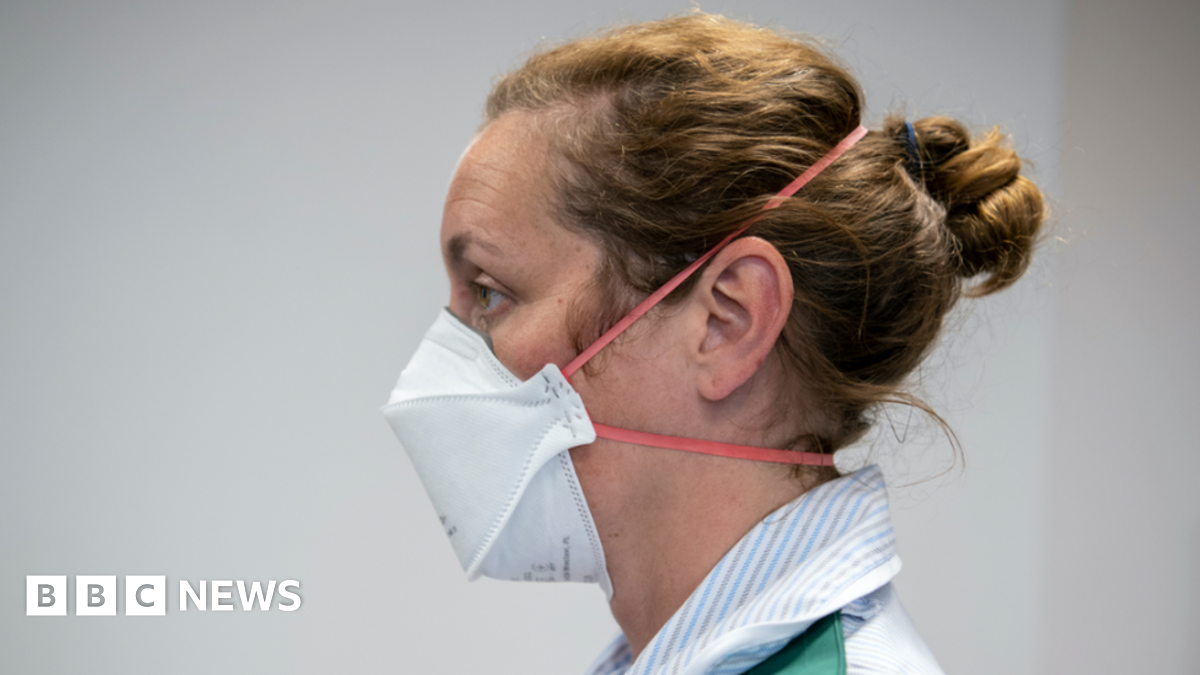
This is a revelation! Proper masks designed to filter out aerosols provide protection against covid whereas flimsy surgical masks (let alone pieces of cloth, scarves etc.) don’t:

Or, alternatively, it's a repetition of what's been established for a while - that the PPE requirement for protecting someone working somewhere like a Covid ward is significantly more onerous than the NPI intended to limit the spread of Covid in the community at large.

== Doublepost prevention - post automatically merged: ==

To be fair @quantinghome the above is exactly what many of us are increasingly frustrated with (to put it mildly). There are already "experts" saying the 19th of July is too soon. I know I'm like a broken record here but this level of government control over our everyday lives is not normal, it represents a fundamental shift in how our society operates. An incredibly high bar needs to be (and historically has been) set for this type of intervention, and "let's just wait a few weeks to be sure" falls well short of that bar.
There are experts saying this, just as there are experts who will have a spread of genuinely informed positions about any issue. What gives me pause to reflect despite my increasingly firm view that the data does support opening up is that it is the optimistic experts who have consistently called Covid wrong to date.
 

quantinghome

Established Member
Joined
1 Jun 2013
Messages
2,916
Why 2-3 weeks from now and not 2-3 weeks from when you said it before?

How do we know that in 2-3 weeks time you won't still be saying it should be 2-3 weeks from then, repeat ad infinitum? We've been through many iterations of this already, how do we know this is the last ever?
The current number of deaths due to Covid is thankfully very low at the moment. If we knew it was going stay that way then the vast majority of people would be more than happy to drop the remaining restrictions. But we can see from the data that the link between cases and deaths, although much reduced, is not broken. Deaths are now increasing again. The trajectory is not clear yet, but it will be clear in 2-3 weeks.
 

MikeWM

Established Member
Joined
26 Mar 2010
Messages
4,965
Location
Ely
The current number of deaths due to Covid is thankfully very low at the moment. If we knew it was going stay that way then the vast majority of people would be more than happy to drop the remaining restrictions. But we can see from the data that the link between cases and deaths, although much reduced, is not broken. Deaths are now increasing again. The trajectory is not clear yet, but it will be clear in 2-3 weeks.

But - the same question I've been asking since the start of the 'roadmap' - what are we going to do if deaths do increase again? Everyone in the vulnerable groups that wants to be vaccinated have been done by now, there's nothing left we can do that will make a difference.
 

Dent

Established Member
Joined
4 Feb 2015
Messages
1,200
The current number of deaths due to Covid is thankfully very low at the moment. If we knew it was going stay that way then the vast majority of people would be more than happy to drop the remaining restrictions. But we can see from the data that the link between cases and deaths, although much reduced, is not broken. Deaths are now increasing again. The trajectory is not clear yet, but it will be clear in 2-3 weeks.

That doesn't answer thew question?

You said a few weeks ago that it would become clear in a few weeks, but now you're still saying it will only become clear a few weeks from now. How do we know that you won't still be saying in 2-3 weeks time that it will only become clear a few weeks from then, and continue to push the goalpost ever further away like you have been doing until now?

We can't all spend the rest of our lives being supposedly "a few weeks" from freedom, so when does this infinite cycle of "a few weeks from whenever now is" stop?
 

quantinghome

Established Member
Joined
1 Jun 2013
Messages
2,916
But - the same question I've been asking since the start of the 'roadmap' - what are we going to do if deaths do increase again? Everyone in the vulnerable groups that wants to be vaccinated have been done by now, there's nothing left we can do that will make a difference.
They are increasing again - the question is by how much.

It's a fair point - what else can be done once every willing adult is double-vaccinated? I guess the options are:

- Another lockdown - never going to happen IMO.
- Maintain some restrictions - also highly unlikely.
- Surge test and trace, surge vaccinations, in hotspot areas.
- Extend vaccination to teenagers.
- Ride it out and accept however many deaths there may be.

Just to be clear I'm not advocating any of these options, just listing what options there are.
 
Last edited:

Dent

Established Member
Joined
4 Feb 2015
Messages
1,200
They are increasing again - the question is by how much.

It's a fair point - what else can be done once every adult is double-vaccinated? I guess the options are:

- Another lockdown - never going to happen IMO.
- Maintain some restrictions - also highly unlikely.
- Surge test and trace, surge vaccinations, in hotspot areas.
- Extend vaccination to teenagers.
- Ride it out and accept however many deaths there may be.

If you maintain any restrictions even after everyone vulnerable is protected by the best vaccines available, what what exactly is the exit plan?

What does "surge vaccination" after everyone is already fully vaccinated anyway involve?
 

quantinghome

Established Member
Joined
1 Jun 2013
Messages
2,916
That doesn't answer thew question?

You said a few weeks ago that it would become clear in a few weeks, but now you're still saying it will only become clear a few weeks from now. How do we know that you won't still be saying in 2-3 weeks time that it will only become clear a few weeks from then, and continue to push the goalpost ever further away like you have been doing until now?

We can't all spend the rest of our lives being supposedly "a few weeks" from freedom, so when does this infinite cycle of "a few weeks from whenever now is" stop?
I've already answered your question, though evidently not to your satisfaction. I don't intend to add to what I've already said.

How do you know what I will or won't say in 2-3 weeks time? You don't. But then why do you even care? My opinion has literally no effect on the outcome of all this.

== Doublepost prevention - post automatically merged: ==

If you maintain any restrictions even after everyone vulnerable is protected by the best vaccines available, what what exactly is the exit plan?
How on earth should I know? As I said, I'm not advocating any of the options I listed.
What does "surge vaccination" after everyone is already fully vaccinated anyway involve?
You seem to be very interested in picking at the minutiae of my posts so I guess I need to be clearer - once the current vaccination programme is complete there will undoubtedly still be a number of people who haven't come forward for whatever reason. Therefore, where hotspots emerge it might be worth having a concerted effort to locate people who haven't been vaccinated and offer them a jab.
 
Last edited:

Richard Scott

Established Member
Associate Staff
International Transport
Railtours & Preservation
Joined
13 Dec 2018
Messages
4,584
The current number of deaths due to Covid is thankfully very low at the moment. If we knew it was going stay that way then the vast majority of people would be more than happy to drop the remaining restrictions. But we can see from the data that the link between cases and deaths, although much reduced, is not broken. Deaths are now increasing again. The trajectory is not clear yet, but it will be clear in 2-3 weeks.
The number of deaths are bound to make increase given the fact that any death within 28days of a positive test is counted. More people that test positive the more will die within the given timescale but many will be from other causes.
 

quantinghome

Established Member
Joined
1 Jun 2013
Messages
2,916
The number of deaths are bound to make increase given the fact that any death within 28days of a positive test is counted. More people that test positive the more will die within the given timescale but many will be from other causes.
Have you any data on how significant this issue is, or is it just supposition?
 

DustyBin

Established Member
Joined
20 Sep 2020
Messages
3,927
Location
First Class
The number of deaths are bound to make increase given the fact that any death within 28days of a positive test is counted. More people that test positive the more will die within the given timescale but many will be from other causes.

This is the problem as I said the other day. We're heading into "within 28 days of drinking a cup of tea" territory here....
 

kristiang85

Established Member
Joined
23 Jan 2018
Messages
2,745
Someone did an FOI request a couple of months ago on data for deaths within 28 days of having the vaccine in Scotland, and the death numbers were very similar to the COVID deaths.

It showed not that the vaccine was dangerous, but that old people who had been recieving it were dying anyway of other causes. The same could be said of the positive COVID test.

It's a metric that really needs to be stopped now.

Even excess deaths isn't that reliable anymore, given the non-COVID backlog will really be kicking in too. If you look at the 'deaths at home', this remains consistently above normal, despite not being with COVID - https://app.powerbi.com/view?r=eyJr...hMzUtNGIyZS1hZDQ3LTVmM2NmOWRlODY2NiIsImMiOjh9
 

Yew

Established Member
Joined
12 Mar 2011
Messages
7,245
Location
UK
This is a revelation! Proper masks designed to filter out aerosols provide protection against covid whereas flimsy surgical masks (let alone pieces of cloth, scarves etc.) don’t:

Given that the distribution of high quality masks was skewed towards those working in COVID wards, I wonder if this is actually evidence of infection-derived immunity from the first wave, rather than the masks doing the hard work.
 

Richard Scott

Established Member
Associate Staff
International Transport
Railtours & Preservation
Joined
13 Dec 2018
Messages
4,584
Have you any data on how significant this issue is, or is it just supposition?
Using my intelligence and analytical ability. To be honest, whilst it is supposition, it isn't really ticket science is it?
 

35B

Established Member
Joined
19 Dec 2011
Messages
5,580
The number of deaths are bound to make increase given the fact that any death within 28days of a positive test is counted. More people that test positive the more will die within the given timescale but many will be from other causes.
The government data clearly distinguishes between the 28 day measure and deaths where Covid is recorded on the death certificate as either the primary or a secondary cause of death. Overall, the death certificate measure is noticeably higher than the 28 day, and both exceed the excess deaths measure. From memory, the figures were c. 150k, c. 130k and c. 90k respectively at the end of last week, from the government's dashboard.

I draw the conclusion from those numbers that Covid is leading to a lot of deaths that are significantly earlier than they otherwise would have been but, given the age of many of those who've died, it's reasonable to assume that a significant proportion (from the numbers I give, about 40%) could, without Covid, have been expected to die reasonably soon in any case so don't show up in excess death statistics.
But - the same question I've been asking since the start of the 'roadmap' - what are we going to do if deaths do increase again? Everyone in the vulnerable groups that wants to be vaccinated have been done by now, there's nothing left we can do that will make a difference.
That rather depends on what you think makes a difference. For example, if restrictions are eased on 19th July so that both social distancing and mask wearing are removed, and severe case* rates start rising to difficult levels**, it may be necessary to look at reversing aspects of the 19th July changes.

* - I am defining severe cases as those requiring high dependency or ICU care, or resulting in death - more than just hospitalisation.
** - for this purpose, defined as causing strain to the NHS' ability to provide other healthcare services.
 

Dent

Established Member
Joined
4 Feb 2015
Messages
1,200
For example, if restrictions are eased on 19th July so that both social distancing and mask wearing are removed, and severe case* rates start rising to difficult levels**, it may be necessary to look at reversing aspects of the 19th July changes.

With what objective and end point? All the vulnerable groups are already protected by the best vaccines in existence, if that is not sufficient grounds to end all restrictions then what exactly is?
 

yorksrob

Veteran Member
Joined
6 Aug 2009
Messages
44,429
Location
Yorks
That rather depends on what you think makes a difference. For example, if restrictions are eased on 19th July so that both social distancing and mask wearing are removed, and severe case* rates start rising to difficult levels**, it may be necessary to look at reversing aspects of the 19th July changes.

* - I am defining severe cases as those requiring high dependency or ICU care, or resulting in death - more than just hospitalisation.
** - for this purpose, defined as causing strain to the NHS' ability to provide other healthcare services.

Given the number of people who will have been fully vaccinated by then, I think we'll be looking at something like the baseline morbidity associated with the disease going forward and we'll need to shape the health service around that, rather than trying to restrict society.
 

Bantamzen

Established Member
Joined
4 Dec 2013
Messages
10,509
Location
Cheshire
Given the number of people who will have been fully vaccinated by then, I think we'll be looking at something like the baseline morbidity associated with the disease going forward and we'll need to shape the health service around that, rather than trying to restrict society.
Is the correct answer.

What we cannot do is constantly warp society in order to help the NHS cope. The NHS is not some charity or injured puppy, it is a government organisation paid by us to serve us. If there are going to be issues going forward, especially given the growing waiting list, that is for the government & NHS bosses to figure out. If they need more funds, then we have managed to spend way in excess of the annual NHS budget to "save" it, so therefore it is not beyond imagination to figure out where we should have been spending & get it done. If it needs more capacity, then they had all better get a wiggle on and sort it, they've had 18 months doing sod all so far. And if they need more staff, they can start by paying better & trying to encourage ex-staff back onboard until new staff can be recruited and trained.

Whatever the forthcoming problems & solutions, shutting down parts of society indefinitely is not going to solve anything going forwards, but will store up even more problems.
 

35B

Established Member
Joined
19 Dec 2011
Messages
5,580
Given the number of people who will have been fully vaccinated by then, I think we'll be looking at something like the baseline morbidity associated with the disease going forward and we'll need to shape the health service around that, rather than trying to restrict society.
We might well.
 

VauxhallandI

Established Member
Joined
26 Dec 2012
Messages
2,749
Location
Cheshunt
Is the correct answer.

What we cannot do is constantly warp society in order to help the NHS cope. The NHS is not some charity or injured puppy, it is a government organisation paid by us to serve us. If there are going to be issues going forward, especially given the growing waiting list, that is for the government & NHS bosses to figure out. If they need more funds, then we have managed to spend way in excess of the annual NHS budget to "save" it, so therefore it is not beyond imagination to figure out where we should have been spending & get it done. If it needs more capacity, then they had all better get a wiggle on and sort it, they've had 18 months doing sod all so far. And if they need more staff, they can start by paying better & trying to encourage ex-staff back onboard until new staff can be recruited and trained.

Whatever the forthcoming problems & solutions, shutting down parts of society indefinitely is not going to solve anything going forwards, but will store up even more problems.
I thought they were building a gazillion new hospitals?
 

DustyBin

Established Member
Joined
20 Sep 2020
Messages
3,927
Location
First Class
Or, alternatively, it's a repetition of what's been established for a while - that the PPE requirement for protecting someone working somewhere like a Covid ward is significantly more onerous than the NPI intended to limit the spread of Covid in the community at large.

Yes that’s true, however the “emerging evidence” for said NPI in the community has yet to, well, emerge…… It’s another highly divisive and unpopular measure introduced on a whim. A simple “catch it, bin it, kill it” campaign would have been far more effective and may have had long term benefits, especially over winter.

There are experts saying this, just as there are experts who will have a spread of genuinely informed positions about any issue. What gives me pause to reflect despite my increasingly firm view that the data does support opening up is that it is the optimistic experts who have consistently called Covid wrong to date.

So Ferguson, comrade Michie, the rest of SAGE, pretend SAGE, Pagel et al have called it right have they?
 

35B

Established Member
Joined
19 Dec 2011
Messages
5,580
Yes that’s true, however the “emerging evidence” for said NPI in the community has yet to, well, emerge…… It’s another highly divisive and unpopular measure introduced on a whim. A simple “catch it, bin it, kill it” campaign would have been far more effective and may have had long term benefits, especially over winter.


So Ferguson, comrade Michie, the rest of SAGE, pretend SAGE, Pagel et al have called it right have they?
On balance, when you compare them with the likes of Heneghan or Gupta, yes - and that isn't to say that I agree with them on trying to drive zero Covid. As for masks as an NPI, though I'm on the mildly pro- side, I think the coming months (assuming relaxation does happen) will be an interesting test of their effect.
 

WelshBluebird

Established Member
Joined
14 Jan 2010
Messages
5,624
Is the correct answer.

What we cannot do is constantly warp society in order to help the NHS cope. The NHS is not some charity or injured puppy, it is a government organisation paid by us to serve us. If there are going to be issues going forward, especially given the growing waiting list, that is for the government & NHS bosses to figure out. If they need more funds, then we have managed to spend way in excess of the annual NHS budget to "save" it, so therefore it is not beyond imagination to figure out where we should have been spending & get it done. If it needs more capacity, then they had all better get a wiggle on and sort it, they've had 18 months doing sod all so far. And if they need more staff, they can start by paying better & trying to encourage ex-staff back onboard until new staff can be recruited and trained.

Whatever the forthcoming problems & solutions, shutting down parts of society indefinitely is not going to solve anything going forwards, but will store up even more problems.

But such things (building new hospitals, sorting out NHS funding, getting more staff) are long term goals that require planning, money and time.
If deaths do increase to an unacceptable level even after most people have had both jabs, then that is a very short term issue we'd need to act on right away.

In a way I agree with you in that we've had 18 months of fire fighting when if at the start of all this some long term planning had taken place we would be 18 months closer!
But at the same time we can't just magic up hospitals and staff etc out of nowhere (indeed the main reason the Nightingale hospitals were such a bad idea is because the staff for them were just nicked from other hospitals - reducing the level of service and staffing that they could provide).

I'm not claiming to know what the answer is by the way - just that it isn't as simple as what you seem to suggest.
 

Dent

Established Member
Joined
4 Feb 2015
Messages
1,200
If deaths do increase to an unacceptable level even after most people have had both jabs, then that is a very short term issue we'd need to act on right away.

What do you mean by "act on straight away"? What would this action consist of, and what would be the end point for it?

The vaccination is all that is available, if we still have restrictions even after everyone is vaccinated then what is the exit plan? Anyone advocating restrictions even after vaccination needs to think very carefully about this and explain clearly what they are hoping to achieve and what their plan is for finally ending all restrictions.
 

WelshBluebird

Established Member
Joined
14 Jan 2010
Messages
5,624
What do you mean by "act on straight away"? What would this action consist of, and what would be the end point for it?
I literally said "I am not claiming to know what the answer is".

The initial question was "what are we going to do if deaths do increase again?".
Now hopefully that doesn't happen thanks to the successfully vaccination program that has been run.
But if it does happen, then what?

Do we have a conversation about restrictions? (either delaying the lifting, or bringing some back in depending on the date in question).
Do we just encourage those more vulnerable (or whatever demographic of people end up being the most at risk at the point in time) to engage in stuff like social distancing whilst everyone else can go about their day as normal?
Do we have a frank conversation as a country about is needing to accept x number of deaths and that is the end of the discussion?
What about other options?
I don't know! And I'm not suggesting either one is right or wrong either - just speculating at what could happen based on what the original question was.

But the point in my comment was mainly around the fact that the goals Bantamzen mentioned are long term not short term, so what do we do in the short term? Maybe the answer is just accept the deaths if indeed that happens (again hopefully it doesn't), but the answer clearly can't just be "bulk up the NHS" because that takes a lot longer.

 
Last edited:

Bantamzen

Established Member
Joined
4 Dec 2013
Messages
10,509
Location
Cheshire
But such things (building new hospitals, sorting out NHS funding, getting more staff) are long term goals that require planning, money and time.
If deaths do increase to an unacceptable level even after most people have had both jabs, then that is a very short term issue we'd need to act on right away.

In a way I agree with you in that we've had 18 months of fire fighting when if at the start of all this some long term planning had taken place we would be 18 months closer!
But at the same time we can't just magic up hospitals and staff etc out of nowhere (indeed the main reason the Nightingale hospitals were such a bad idea is because the staff for them were just nicked from other hospitals - reducing the level of service and staffing that they could provide).

I'm not claiming to know what the answer is by the way - just that it isn't as simple as what you seem to suggest.
Did I say it was simple? No, and I think we both agree on that. However consider this. We have had now 18 months of potential planning, we have literally spent hundreds of billions on "#covidsafe", keeping in mind that the NHS budget runs in at around £150 billion a year. And whilst we have been keeping people from normal life, we have added a million more people to the unemployed list, furloughed (i.e. paid for) up to almost 10 million people at one point or another, doubled the number of people claiming employment benefits, and all this before we calculate how much has been lost in Income Tax, VAT, Business Rates et al.

I do agree we cannot magic up health staff, but we could have attracted ex-health staff back into the NHS through improved pay, working conditions etc. But instead we (as in the government) chose to throw hundreds of billions on useless PPE, unused Nightingale capacity and Serco, erm I mean T&T. When all this is over, just wait for the you-know-what-show!
 

johnnychips

Established Member
Joined
19 Nov 2011
Messages
3,826
Location
Leeds
Despite relatively high Covid infection numbers compared with a few weeks ago, nobody in the media is going berserk about it. The cynic in me says that the government influencers have said ‘tone it down, chaps, we’ve decided we want to get back to normal now’.

Or is it that football’s coming home?

Edit: or perhaps newspaper editors realise that they, their journalists and some of their readers might prefer a fortnight in Spain rather than a boggy campsite in Cornwall.
 
Status
Not open for further replies.

Top