Railrich
On Moderation
Could yellow ends on the stopped train have made the driver of the second train brake sooner? Those high-intensity LED lights seem to have a relatively narrow beam, and wouldn't be so visible on a curve.


The driver would have been looking at the red tail lights on the train in front.Could yellow ends on the stopped train have made the driver of the second train brake sooner? Those high-intensity LED lights seem to have a relatively narrow beam, and wouldn't be so visible on a curve.

Could yellow ends on the stopped train have made the driver of the second train brake sooner? Those high-intensity LED lights seem to have a relatively narrow beam, and wouldn't be so visible on a curve.
Can you not see the 3 extremely bright white lights of the 810 and other units without yellow fronts?Just wanting to ask a simple question. but heres my reason for asking. When standing on the platform at Beeston station in Nottinghamshire the track is fairly straight and level and you can see for a very good distance. I find it far easier to see the 158 170 222 units approaching in the distance than the 810 units. i always put it down to the former units having the traditional yellow ends. So my question is. Does any one think that units with out the yellow ends are distracting and are maybe not so easy to see/recognise at a distance. particularly on a mid summers afternoon with a potentially sunny day.

Lights can lose powerI gather the fact that non yellow ends are now "acceptable" is down to the very high intensity lights nowadays.
Exactly! What is the problem with retaining this tried and tested method of ensuring rail safety?Surely if there is even the slightest hint that maybe, just maybe train drivers and track workers find yellow ends easier to identify in certain lighting conditions, then isn't it just easier to go back to yellow ends as mandatory again? Would the railway really be a worse place if it lost its black and grey front ends? Any step, no matter how small that may improve safety should be taken in my view, especially if the "opportunity cost" is negligible.
As far as l can tell aesthetics was the only reason for the change.Lights can lose power
Exactly! What is the problem with retaining this tried and tested method of ensuring rail safety?
Since not all trains have a cab at both ends, it would be impractical.
Had the stationary train been a freight train, or a traditional loco hauled train (admittedly there aren't many of those, but they do still exist) then the rear would not have been yellow.
The argument about yellow paint warning track workers is a separate discussion.

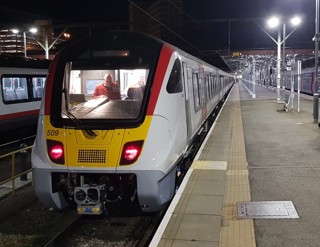


‘Full’ yellow ends were not required either. The requirement was only for a 1m^2 panel. Anything over that was the livery designers choice.I gather the fact that non yellow ends are now "acceptable" is down to the very high intensity lights nowadays.
While there may not be any passengers in a train of empty freight liner flats, there’s still going to be a problem if something hits it. There’s a danger inherent in starting to expect something that can’t be present overall.Thailand paint hauled coach ends yellow so there is yellow at the rear too. This is maybe not such a bad idea. Just because it wasn't the case before doesn't make it a bad idea.
I do think non yellow ends look better, but if something as similar as that can mitigate against collisions it seems silly not to do it. It'd only really affect the Caledonian Sleeper, the Night Riviera and charters though, as no other regular service trains are LHCS without a trailing cab.
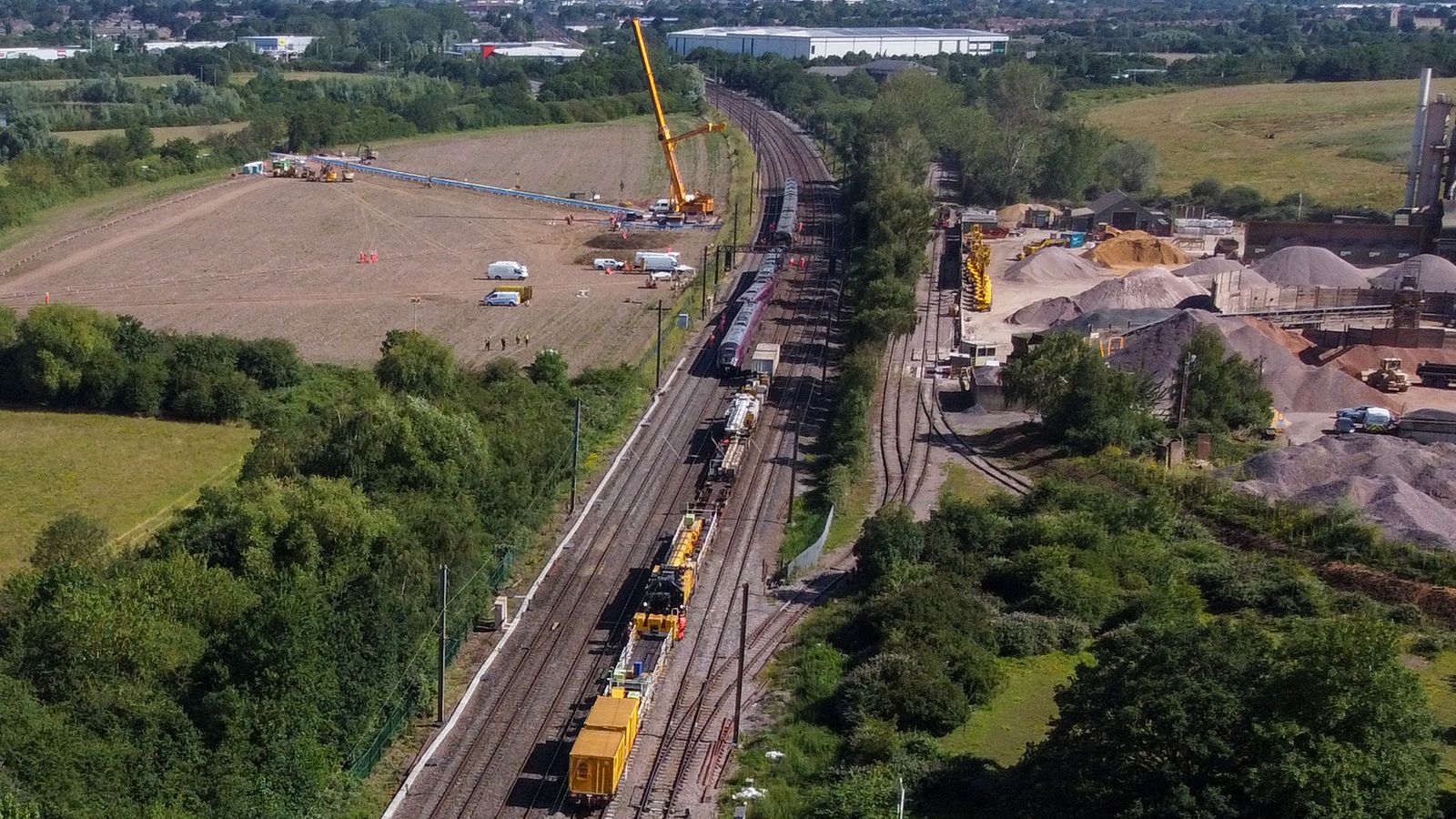
Yellow ends likely wouldn't have helped. If you play a cab ride video from the area it seems clear that the brakes were applied (given the speed and timings) as soon as the 810 could have been seen, yellow ends or not. It was around a corner and would have been visible for maybe 10 or 12 seconds if travelling at 79mph.I’d be surprised if the RAIB determine the lack of yellow fronts to be a major contributing factor to the accident at Bedford, especially given it took place in broad daylight whereas yellow front ends were originally meant to deal with dark nights for trackside workers. So based on that alone I don’t see a reason to mandate it all over again.
While there may not be any passengers in a train of empty freight liner flats, there’s still going to be a problem if something hits it. There’s a danger inherent in starting to expect something that can’t be present overall.

Agreed. This is a good discussion.Surely if there is even the slightest hint that maybe, just maybe train drivers and track workers find yellow ends easier to identify in certain lighting conditions, then isn't it just easier to go back to yellow ends as mandatory again? Would the railway really be a worse place if it lost its black and grey front ends? Any step, no matter how small that may improve safety should be taken in my view, especially if the "opportunity cost" is negligible.
Not primarily for high visibility, but not just for signallers to confirm the train is complete.Red rears were never designed for high visibility - indeed freights can just have a small flashing battery lamp. They are just to let the signaller know the train has passed them complete.
If they were for visibility you'd need a bit of a rethink.
I don't know whether the colour that the 810 was painted so be identified as a factor in this, but in general I don't see any harm in the yellow ends requirement. Or at least high visibility ends (TfL's orange and the red that they have/ had on the tube are probably equally adequate).Maybe it is time for a rethink. Yellow ends, why not, cheap and with no downsides. And better standards for intensity, directionality and diffusion of rear lights, surely will be considered after this.
But my point is painting all ends yellow would be a minimal cost over the next few years. Surely a smallish outlay is worth making if there is even a small chance that yellow ends are safer than camouflage (sorry black/ grey) ones.It will be hard to prove the yellow ends requirement made railways safer because it's decades of yellow fronts versus a few years of non-yellow fronts, and the stock using the later have significantly brighter headlights so there's no common baseline for visibility. Also there aren't many if any other countries that have used them on such a mass scale for safety reasons.
There's many other factors behind railway safety beyond just painting the cab ends a certain bright colour, especially when the original visibility concern was a dark night, not a bright clear late afternoon. I'd like a proper evidence-based report on this personally.
Perhaps it needs us drivers to take this to Aslef and get it put forward as a policy going forward.Agreed.
This is a good discussion.
Personally I have seen many trains in my career overtake me, and due to sunlight and the narrower beam of LEDs, struggle to see the tail lights at a distance.
A yellow end is useful, and I think upto now, it's dropping from requirements has only been looked at from the leading end of the train and new high intensity headlights. I don't think visability from the rear has been considered - it has never been required at the rear, it just so happens that most trains are multiple units these days.
Yes. You are right.Isn't it almost always the case that trains rely on signals for protection: If you can see something ahead of you it's almost certainly too late to stop?


