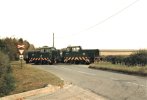
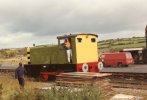
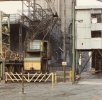
I've wondered for some time now about private sidings. This subject (for me at least) covers several periods of time and locations, but I'm quite sure they were repeated all over the country at some point.
The locations are Padiham gas works, the power station there, Huncoat power station sidings, and (yes groan) Great Harwood gas works...
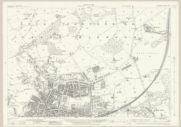
Padiham gas works was built (as many were) next to the railway goods yard. By 1929 it had a narrow gauge tramway running out from it, into the goods yard and it ran parallel with the end siding. Here is the OS map from surveyed that year:
And to your left (across the river) you will see the private power station sidings.
Next up is Great Harwood's gas works. It had its own internal rail sidings and a connection across Heys Lane straight into the goods yard there. In the goods yard, you will see two sidings right next to the yard wall (along side Heys Lane). These sidings and the track they connect to were known as the gas sidings and installed in 1896/7, the gas works internal track layout was expended in 1922.
My questions:
Which company would lay the private sidings, that is, the gas works company or the respective railway company? I would have thought a railway company is best placed as it's part of their business?
Why would you lay a narrow gauge tramway along side a standard gauge coal siding? it seems to be self defeating as you would have to manually transfer the coal from a standard gauge wagon to a narrow gauge one, only to have to unload it again once inside the close by gas works? as was the case at Padiham.
At Great Harwood, the agreement was that "company engines were not allowed to cross Heys Lane and enter the gas works". In English, what does that really mean? did an L&Y loco simply push the loaded wagons across the lane but stop just inside the goods yard gates? The gas works had its own loco, I presume this private loco would then drag the wagon's in.
Who (which company) would make the track alterations that took place over the coming years? Padiham's power station's private sidings changed significantly over the years especially when a second power station was built along side the original. I would have thought the railway company would have to be sure the private sidings were up to the expected standard (or at least be safe to operate on).
The same questions apply to Huncoat's power station sidings, which again changed over the years according to need.
If you have your own questions regarding private sidings then please feel free to ask away.
Thanks,
Andy.
The locations are Padiham gas works, the power station there, Huncoat power station sidings, and (yes groan) Great Harwood gas works...
Padiham gas works was built (as many were) next to the railway goods yard. By 1929 it had a narrow gauge tramway running out from it, into the goods yard and it ran parallel with the end siding. Here is the OS map from surveyed that year:
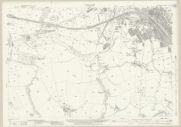

And to your left (across the river) you will see the private power station sidings.
Next up is Great Harwood's gas works. It had its own internal rail sidings and a connection across Heys Lane straight into the goods yard there. In the goods yard, you will see two sidings right next to the yard wall (along side Heys Lane). These sidings and the track they connect to were known as the gas sidings and installed in 1896/7, the gas works internal track layout was expended in 1922.
My questions:
Which company would lay the private sidings, that is, the gas works company or the respective railway company? I would have thought a railway company is best placed as it's part of their business?
Why would you lay a narrow gauge tramway along side a standard gauge coal siding? it seems to be self defeating as you would have to manually transfer the coal from a standard gauge wagon to a narrow gauge one, only to have to unload it again once inside the close by gas works? as was the case at Padiham.
At Great Harwood, the agreement was that "company engines were not allowed to cross Heys Lane and enter the gas works". In English, what does that really mean? did an L&Y loco simply push the loaded wagons across the lane but stop just inside the goods yard gates? The gas works had its own loco, I presume this private loco would then drag the wagon's in.
Who (which company) would make the track alterations that took place over the coming years? Padiham's power station's private sidings changed significantly over the years especially when a second power station was built along side the original. I would have thought the railway company would have to be sure the private sidings were up to the expected standard (or at least be safe to operate on).
The same questions apply to Huncoat's power station sidings, which again changed over the years according to need.
If you have your own questions regarding private sidings then please feel free to ask away.
Thanks,
Andy.