...
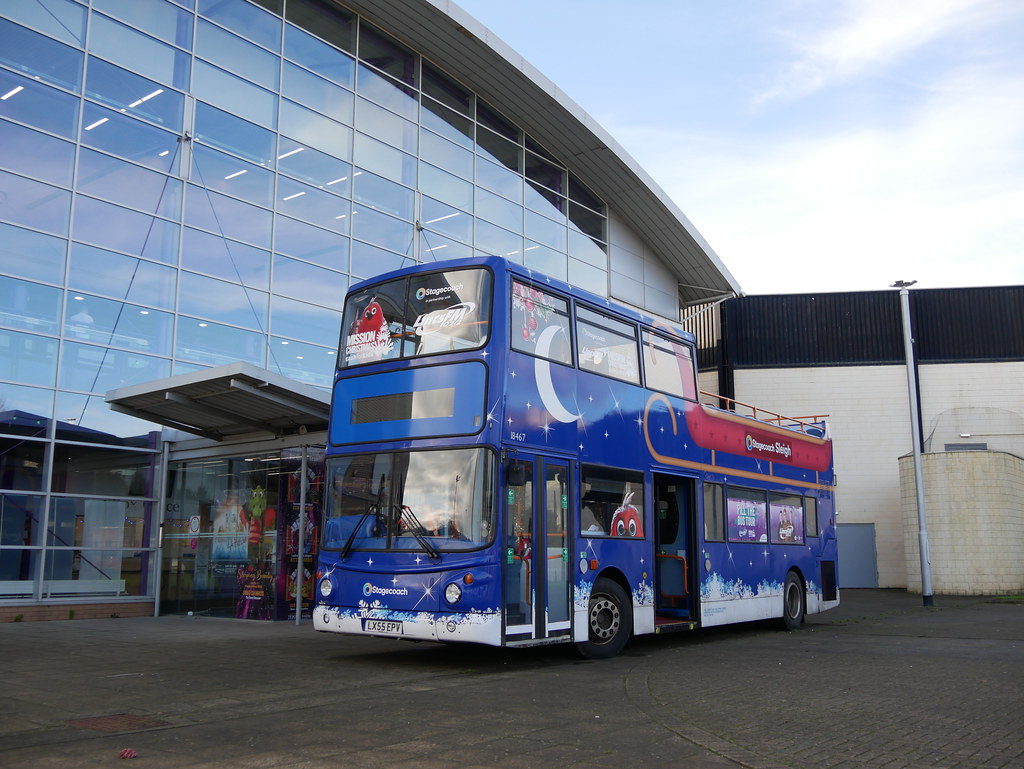
What part of this is meant to be tempting me out of my car?
You have so neatly summed up the big challenge of achieving Modal Shift in rural areas.
Anyone who is already has use of a car is already paying the (heavy) fixed costs - interest lost, age-based depreciation, time-based servicing, insurance.
To tempt them to leave that vehicle at home and take public transport instead, then the combination of cost, convenience and experience needs to be better than if they use the car.
That can be done in cities if the public transport enjoys enough priority over cars, and/or if parking is enough of a hassle. A cheap and frequent service (requiring only an affordable subsidy, or perhaps no subsidy at all) may have car-owners voluntarily take public transport and leave the car at home.
But in rural areas?
First, the car experience is less bad, so you have a bigger hill to climb.
There are fewer traffic jams, and where you do get them (eg heading into Bakewell on market day or a summer Sunday), it isn't viable to offer priority to the bus. So your bus isn't going to be any quicker than the car.
The one lever to worsening the car experience is to make parking miserable and/or very expensive, and the Peak District National Park Authority hint at this ("Non-residential parking will be restricted in order to discourage car use"). But you can only go so far - if your visitors only come occasionally, then they may not know that there isn't enough parking, and come anyway.
How much collateral damage (delayed buses, businesses losing trade) are you willing to accept as the inevitable cost of having the less well-informed (or more dogged) car-borne visitors jamming up your town as they circle round seeking a scarce space?
Secondly, bus services cannot match the frequencies in cities. To take the Bakewell example, some people may only want to visit the town centre, then go home again. For them, if they live somewhere with a direct service, the bus might just look attractive if it was cheap enough (or free).
But Bakewell (like many other rural destinations) just isn't a full-day visit - and many will want to do something else as part of their trip. But in rural areas the next attractions are just so much further apart and less reachable than in a city.
When you have had enough of Greenwich, you can be in London Bridge or Canary Wharf in ten minutes. Both have frequent services, 7 days a week.
From Bakewell, the nearest major attraction is Chatsworth House (5 miles: two buses an hour). A walk? Perhaps in Youlgrave (5 miles: seven buses a day, but none on Sundays). Or Over Haddon (2 miles: four buses a day, none on Sundays) or Monsal Head (3 miles: no buses)
Even if buses were three or four times as frequent, and free, there is no way that useful numbers of car users would choose the bus for a multi-destination day out in a rural area. You have to organise your movements to fit the timetables, and if you hit a delay (a baby needs changing, a toddler has a tantrum, Grandad has left his glasses in the cafe) you are at best facing a substantial wait, and at worst you end up stranded.
So, Modal Shift is an enormous challenge. It will need additional restrictions on car use (cost, rationing, deliberate delay) to get useful numbers out of their cars and onto even the best of bus services.
Until and unless we are willing to do that, modest improvements to bus services are not going to achieve any significant level of Modal Shift.
Most of us said goodbye to badges that said "I tried" when we left primary school, but in local transport, there seems to be a pervasive feeling that feeble gestures are better than nothing. I can't see that they are.