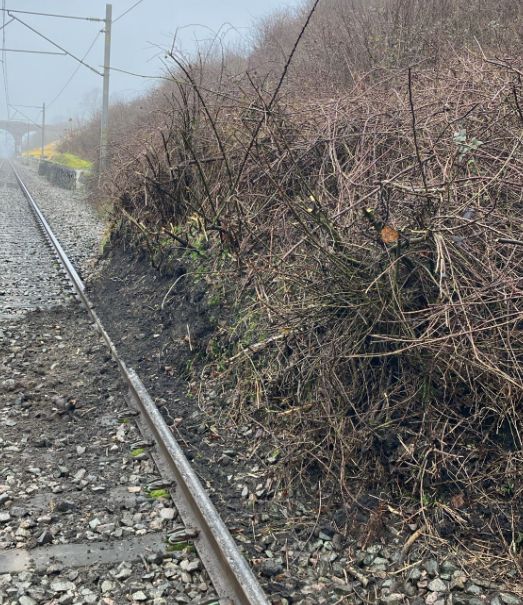
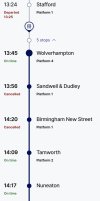
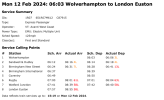
Normally I’m an advocate of sharing as much information as possible, but this is one of those times where it doesn’t always work as this looks like it’s a fairly simple job of trimming that bush back! Just goes to show you can’t win can you?
That isn’t a simple fix. The vegetation is clearly covering a slumped section of the earthwork which has slipped down onto the track.
Assessments of the earthwork will be required to see how deep seated the failure is - there’s a good chance the failed slope and the area either side of the failure will need completely digging off, stepping and reinstating with large stone/rock fill.
Looking at the length of the slope there will be some large excavators needed to do the work, probably accessing at the top of the slope from the field above. All this plant, labour and material needs mobilising, access to the land arranging etc.
Trust me it’s not a simple fix. I have lots of experience in managing these kinds of repairs on the railway over the last 15 years.
Unfortunately these issues will continue to happen on our railways because of the way they were built in the first place. Slopes are often over steep because at the time in the 19th century that was deemed suitable…in this case it’s looks about 60 degrees slope angle which is over 1 in 1. Modern standards, such as those being applied on HS2, require a 1 in 2 slope which is far less likely to fail.
There’s also a chronic lack of drainage at the crest of cuttings meaning water is often not intercepted before it runs down the slope and soaks into the earthwork causing it to become sodden and heavy, and subsequently fails.