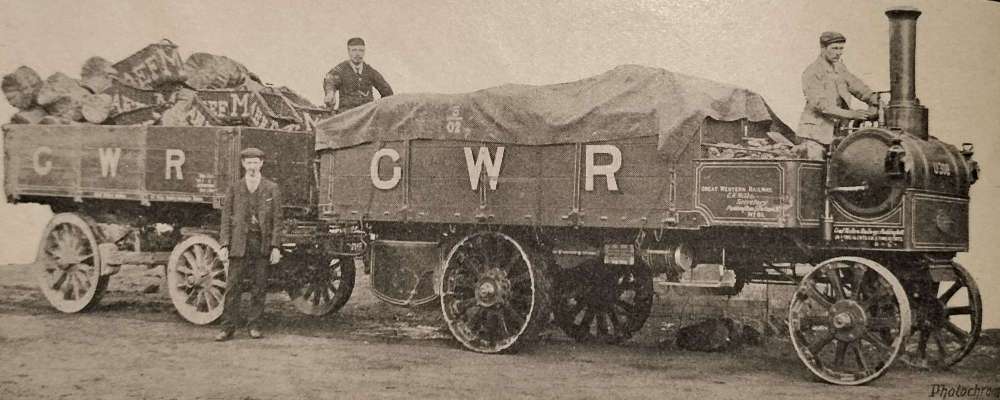
The image of the Corgi 'short wheelbase Sentinel Steam Lorry' was presumably taken from the Hattons website, as they mis-described it. If you look at the box image, it's
Corgi CC20204 - Foden C-Type Dropside Wagon. Sentinel never made any steam wogons with horizontal boilers, as Alley and MacLellan (the company later renamed itself after it's main product) had purchased the rights to the Simpson-Bibby steam wagon and it's
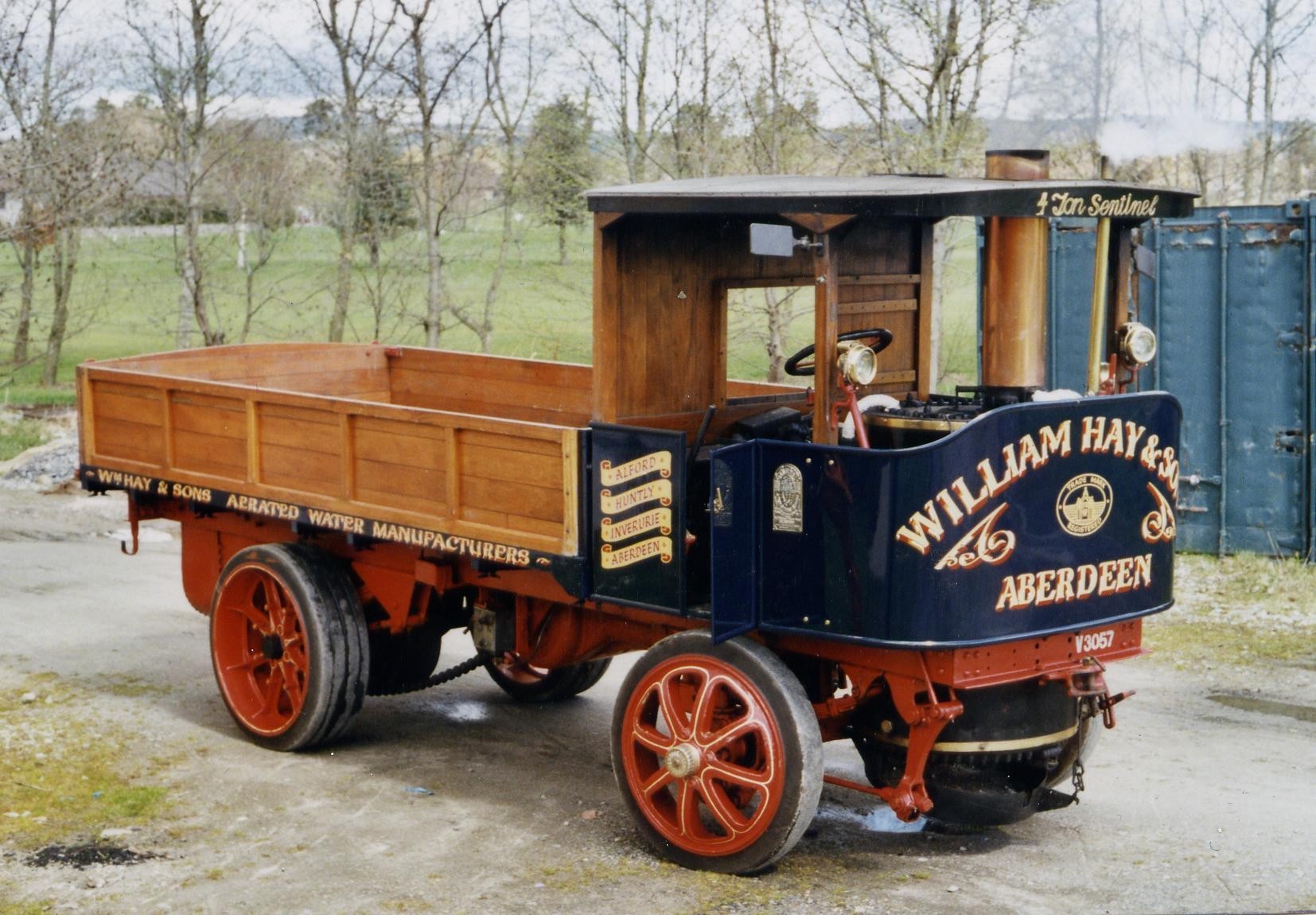
patented vertical boiler (developed to counter the effect of inclines on the water level) in 1903 from it's inventor Daniel Simpson, which it then produced and sold as 'Sentinel' steam wagons from 1905.
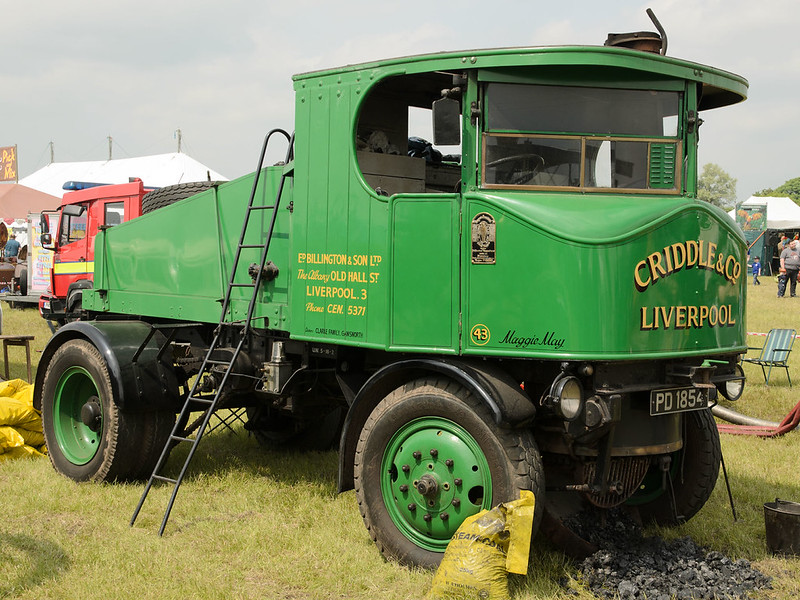
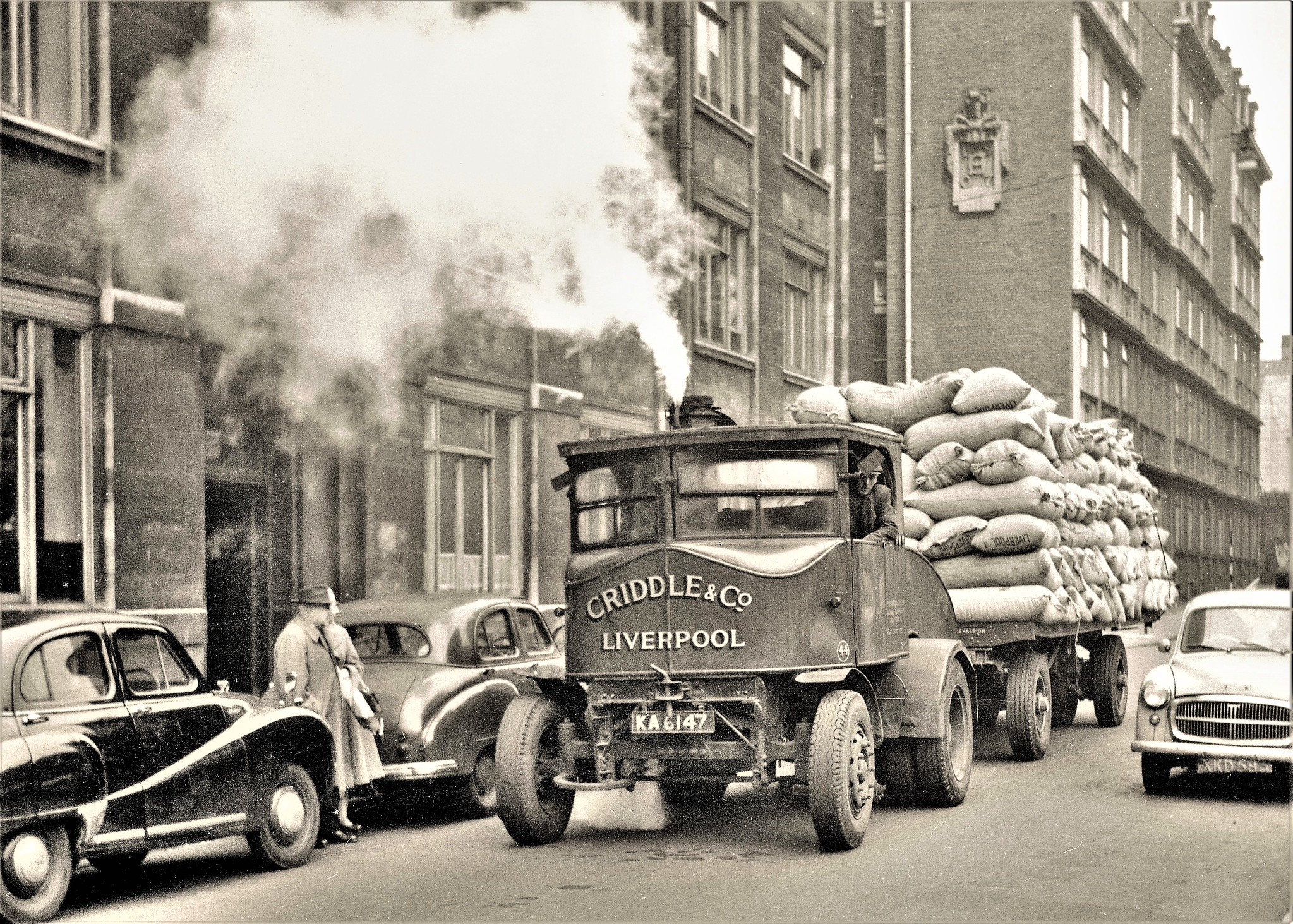
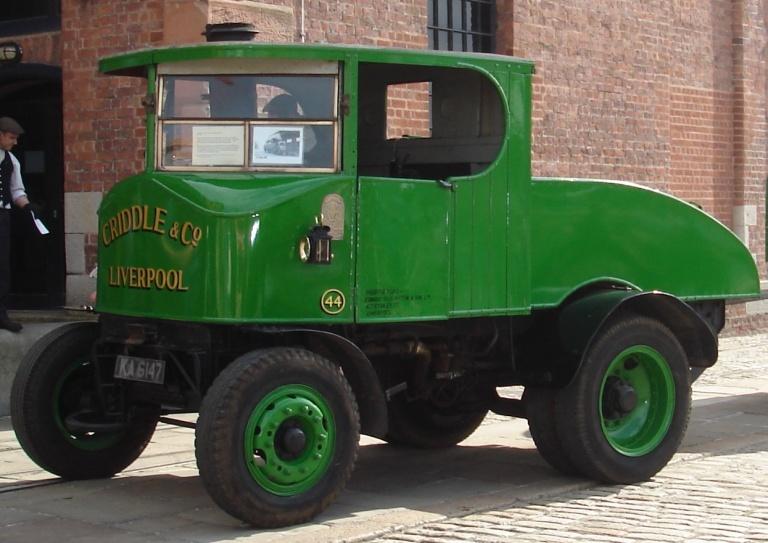
(one of the many jobs my father had as a young man was as 'second man' on the Sentinel steam tractors
operated by Criddles in Liverpool).
In 1924 (once Simpson's boiler patents had expired), Mann's Patent Steam Cart and Wagon Company of Leeds used the design as the basis for their own vertical boiler design for use in their 'Express' wagon (which looked very similar to the early Sentinel wagons, though they used shaft drive instead of chains), but it was not a success.
The 'patent' in the Yorkshire Patent Steam Wagon Company's name concerned their transverse boiler and prevented anyone else (in the UK at least) using a similar design. It was patented in 1900, 11 years after the Pilatusbahn opened with it's transverse boiler cars.
The 'Yorkshire' transverse boiler was pateneted by Joseph Clayton (of Clayton, Son & Co. Ltd, boilermakers) and George Hutchinson Mann (brother of James Hutchinson Mann, who owned the previously mentioned Mann's Patent Steam Cart and Wagon Company). The boilers were made for the wagon works by Claytons, and all three companies had premises bascially next to each other on Pepper Road in Hunslet.
Another railway based use of a transverse boiler were the railmotors designed for the Taff Vale Railway by Tom Hurry Riches which were built between 1903 and 1905:
A batch of 6 of these were built by Kerr Stuart, & Co. for the TVR (with 2 other batches coming from other manufacturers), and Kerr Stuart also supplied two examples to the Lancashire & Yorkshire Railway which were used on some branch lines in the north west for a few years before being withdrawn and replaced by steam railmotors of their own, more conventional design in 1909.

 rogerfarnworth.com