I don't really know who you're talking about so this does sort of read like you're making up a guy to get angry at, I can't think of anyone who's ever been a DfT fan. But as someone who would have been banging on about nationalisation 10 years ago, I don't think I would have come up with GBR. We know it won't insource capabilities/functions into NwR/train operators that should not have been contracted out, nor does it do anything about ROSCOs who are as close to "fat cat" as you can get in the rail industry, and it probably won't move to radically re-organise the timetable into something more reliable. My big worry with GBR is that the government is lauding them as 'nationalisation' but the organisation will not actually have the financial or policy independence to really change anything leaving a big rhetoric space in the next 5 or so years for someone to start advocating for a hard re-privatisation
I would entirely agree with this. But I'd say TOCs, on average, did not actually act as a buffer between government mismanagement and operations on the ground. TOCs are just contracted middlemen that the government can point to offload accountability when passengers are complaining, they only rarely and sporadically find themselves in a position to actually make good or bad decisions. This doesn't mean we should keep the structure just because it occasionally goes well. You said as much yourself that the incentives are not well laid out:
We can probably quite reasonably guess that not fixing anything because the contract is moving on soon is not a problem GBR will have.
GBR is positioned theoretically to be a good thing: an organisation tasked with the day to day running of the railway as well as for longer term planning. But it needs to actually have material independence from DfT/Treasury in order to achieve anything.
If it turns out GBR is just DFTO for everyone then this is obviously a bad thing but 1) this was practically speaking the situation under TOCs anyway and 2) no one advocating for nationalisation would have been advocating for That. Who has been "cheerleading" that structure for apparently decades as their "ideological dream"? All the voices I've seen who have been pushing for public ownership have been critical of the GBR structure (or what little we actually know about it) while conceding that it is a small step in the right direction. There's a lot of vitriol in the words you have for people who've been advocating for public ownership and restructuring - I just don't believe any of them would have settled for GBR as the be all and end all.
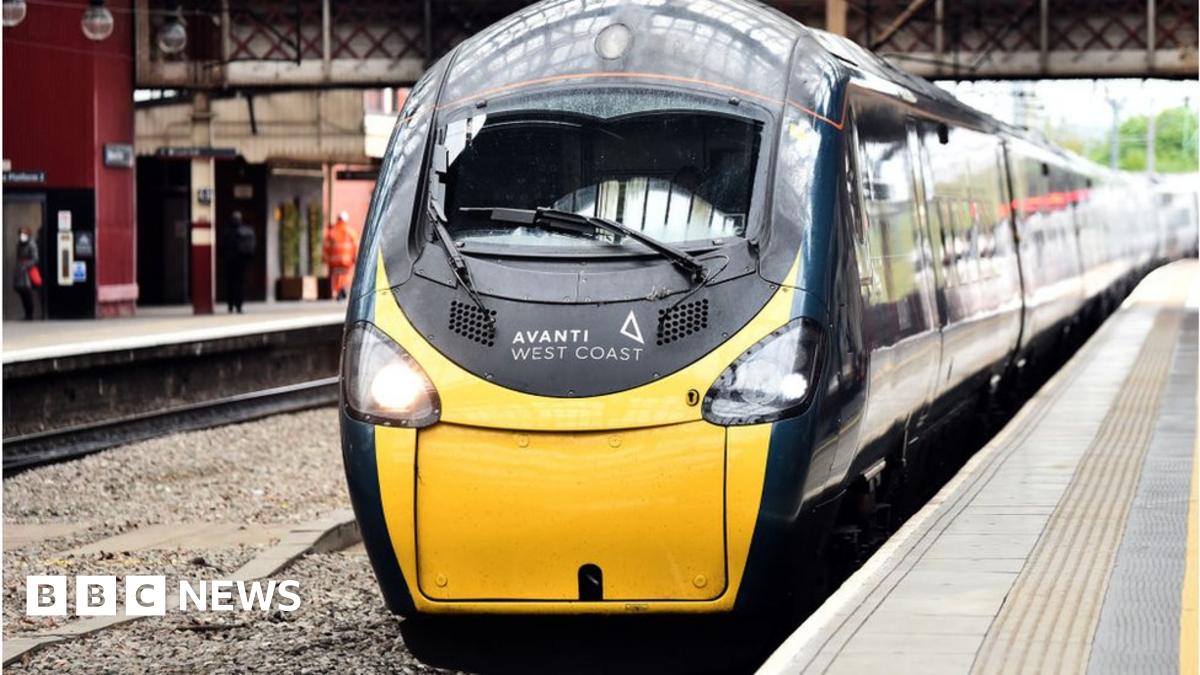
I do think this is a bit unfair. How else would you nationalise passenger operations without just waiting for TOC contracts to expire. It's just the lay of the land that GA is third and not at the bottom of the pile. Obviously it was ridiculous to renew Avanti's contract with a full term when GBR was a known policy, but that was (I believe) the misgivings of the last government who themselves knew they were "handing keys back in a few days" as well.
But this is my point entirely, the ideas that people had about nationalisation were pure fantasy, it was never going to happen in the romantic way they wanted it to. Many people on the opposite side of argument have said. you should be careful what you wish for as those crying for more government control were always going to get something like GBR rather than what they were asking for. What you are saying is happening is not something new to me, it's what I've been saying all along, but i've had many people on this forum tell me that their pipe dream was going to come true and what some of us were predicting what is now happening was scaremongering, but these people strangely have gone into hiding now and don't want to fess up that they got it wrong and own it.
The trouble with the whole franchise system which absolutely had it's faults, were that it was used by the DfT as a shield from all criticism. It's what some people in the industry have called the 'nationalise the praise and privatise the blame agenda' where figures from the DfT are only too happy to slap the DfT logo on new train launches and improvements and play up their involvement with it, but when something goes wrong they go into hiding like their life depends on it and start to point fingers at the operators, despite the fact the problem may be a result of the DfT tying the operators hands behind their back in private and then coming out with statements to the media suggesting the operator must do something to improve the service/overcrowding as it was not acceptable, whilst blocking any action that could be taken to do that.
The Transpennine Express 185 scenario was part of that. First wanted to order considerably more trains/carriages but the DfT stopped them from doing it saying they did not need them. When the services became overcrowded the DfT started issuing statements to the media saying that the operator has to address it. The whole set-up was sick and unfortunately a considerable part of the general public swallowed the idea that private operators were syphoning all the cash off and the DfT were trying to keep them honest and standing up for the consumer when in reality just like the Tories blaming Brexit for all of this countries problems to avoid people blaming them, a similar set-up was going on here where the DfT just shifted the blame.
Despite all the above I am actually supportive of nationally owned operators and they are run really well in many countries in Europe. However I also know the DfT and the way politics about transport works in this country and I just know that in this country it is completely unlikely that we will ever have an operation like those other countries. The DfT are addicted to power and hiving the whole thing off to a company that is not subject to considerable political interference run by proper people rather than at the whim of politicians was never going to happen as much as we want it to. The vast majority of the ignorant public as opposed to informed people thought nationalisation was the silver bullet to lower fares and have been enticed by the nationalisation policy on that basis, but in reality, if we look at this objectively, it's had quite the opposite effect, just look at LNER and the fares review which is clearly a stealth rise.
I know that nobody was going to ask for a set-up like GBR in nationalisation, but in reality that was always what you were going to get. The system that many campaigners for nationalisation wanted in reality was a fantasy that was never going to happen. I've spent years telling people that what will happen is exactly what we have now. A hapless DfT that has been part of the problem, having even more power than before and trying to squeeze the railway for money at the political whim of the government of the day. No doubt the £150m of savings they claim to be making will be off-set to reduce the taxpayer funding, rather than reinvested in the railways. The buzzwords of value for taxpayers and the need to balance what passengers pay and the taxpayers fund are already front and central and those of us who have been around the industry for decades know what the real meaning of that is.