The utterly woeful and useless MK Connect has a number of MG5 estates in use as well as the larger vehicles. This recognises that it very rarely makes journeys match up so it genuinely is in practice just a subsidised taxi service even if nominally DRT. My personal take on the service is that it is a complete waste of money and provides few benefits over subsidising fixed routes in an urban area, but rural areas may be different.
DRT in an urban area is absolute lunacy. Sure, you might not always be able to run commercially sustainable services, but it will guaranteed be better value for money for the council to subsidise normal stage-carriage services running on a fixed route and timetable.
In rural areas, it can be trickier.
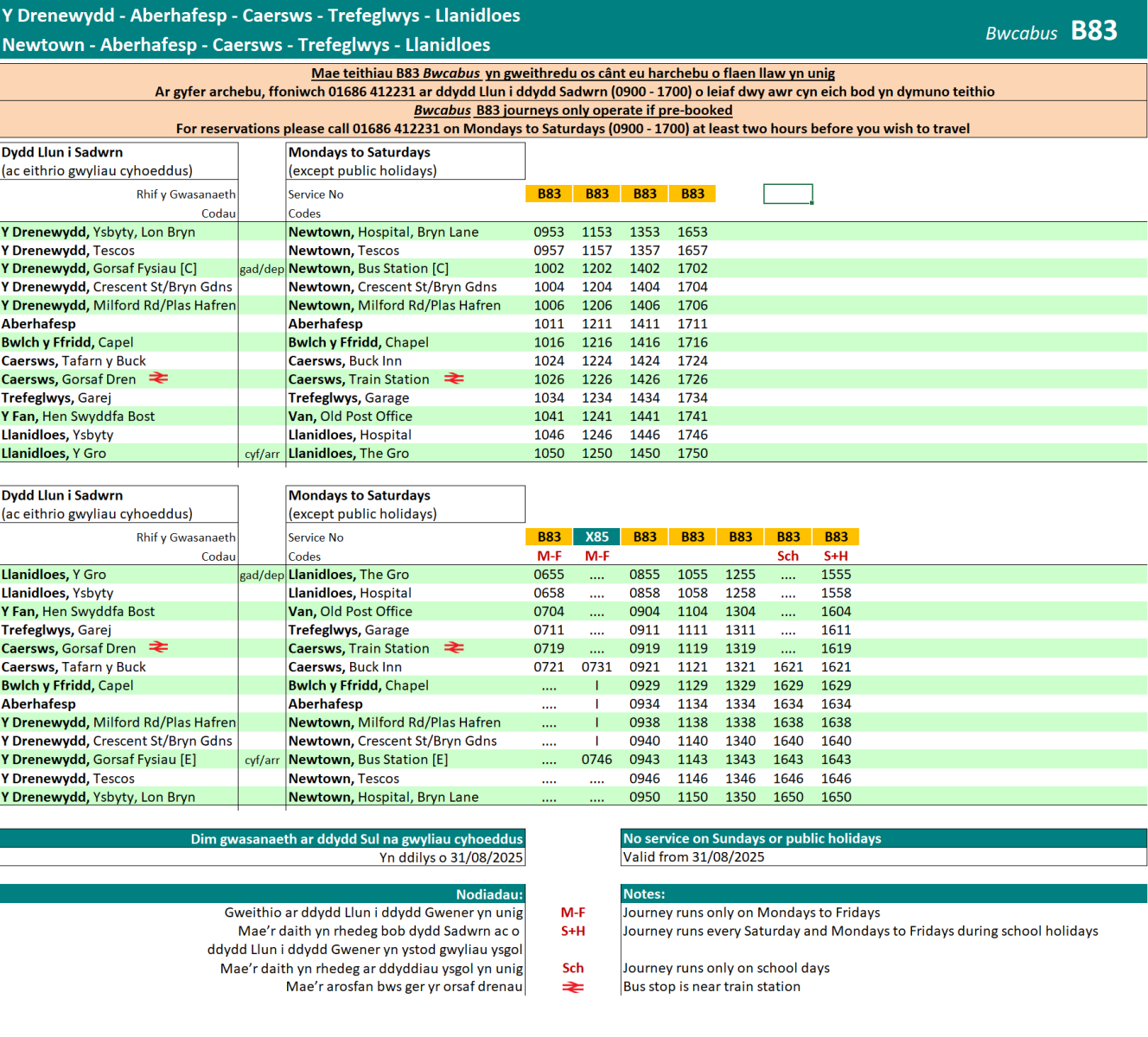
For the most part, I would say that the same still holds true, but I can also see potential good uses for flexi services, where the bus has a fixed departure point and time, but will vary its route depending on where passengers are booked to travel to/from. Beyond that, there don't seem to be many if any DRT operations that carry multiple passengers or groups (ie, I'm not counting 3 passengers making a journey together as "multiple") in enough volume to justify the cost of delivery.
If the service is a
de facto subsidised taxi service, albeit often using much bigger vehicles than are needed to carry 1 or 2 people, there is no viable prospect of scheduled services attracting more passengers, and it would be cheaper to just subsidise fares on actual taxis, then that feels like it would be the more sensible choice. You would then have questions about fairness, whether there would be a usage cap, how you would ensure passengers weren't taking advantage of the system – nothing insurmountable, but some potential challenge from residents in areas that
do have buses and object to the fact that if they're getting a taxi anywhere they would have to pay full price.