
Hello. I'm curious, how did locomotives change ends at terminal stations before things such as DBSOs (Driving Brake Standard Open) become common? It is easily done when a headshunt is available at a station, however when looking at layouts of terminal stations I noticed that many of them lack this kind of track. Some older stations have a switch right in the middle of the platform (operated by a lever frame) which also made me wondering just how does the train driver come to an agreement with the signalman to operate it and where to stop at the platform. Of course when there were DMUs and EMUs operating there was nothing to worry about, but in the 20th century there were many locomotives still running. Below are provided pictures of some station layouts & model railways.


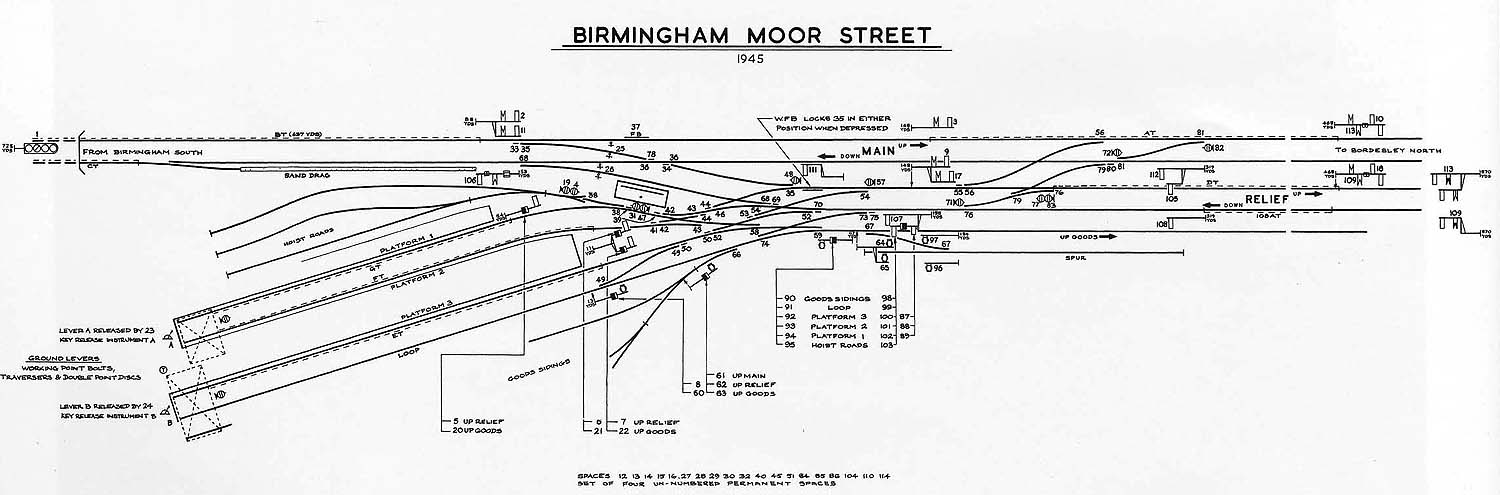

Of course this question might be a bit foolish as it probably "depends on what the local needs were" but I'm open to replies.
Of course this question might be a bit foolish as it probably "depends on what the local needs were" but I'm open to replies.


