• Our new ticketing site is now live! Using either this or the original site (both powered by TrainSplit) helps support the running of the forum with every ticket purchase! Find out more and ask any questions/give us feedback in this thread!

Bus Manufacturer News & Discussion

jammy36

Member
Joined
28 Aug 2013
Messages
324
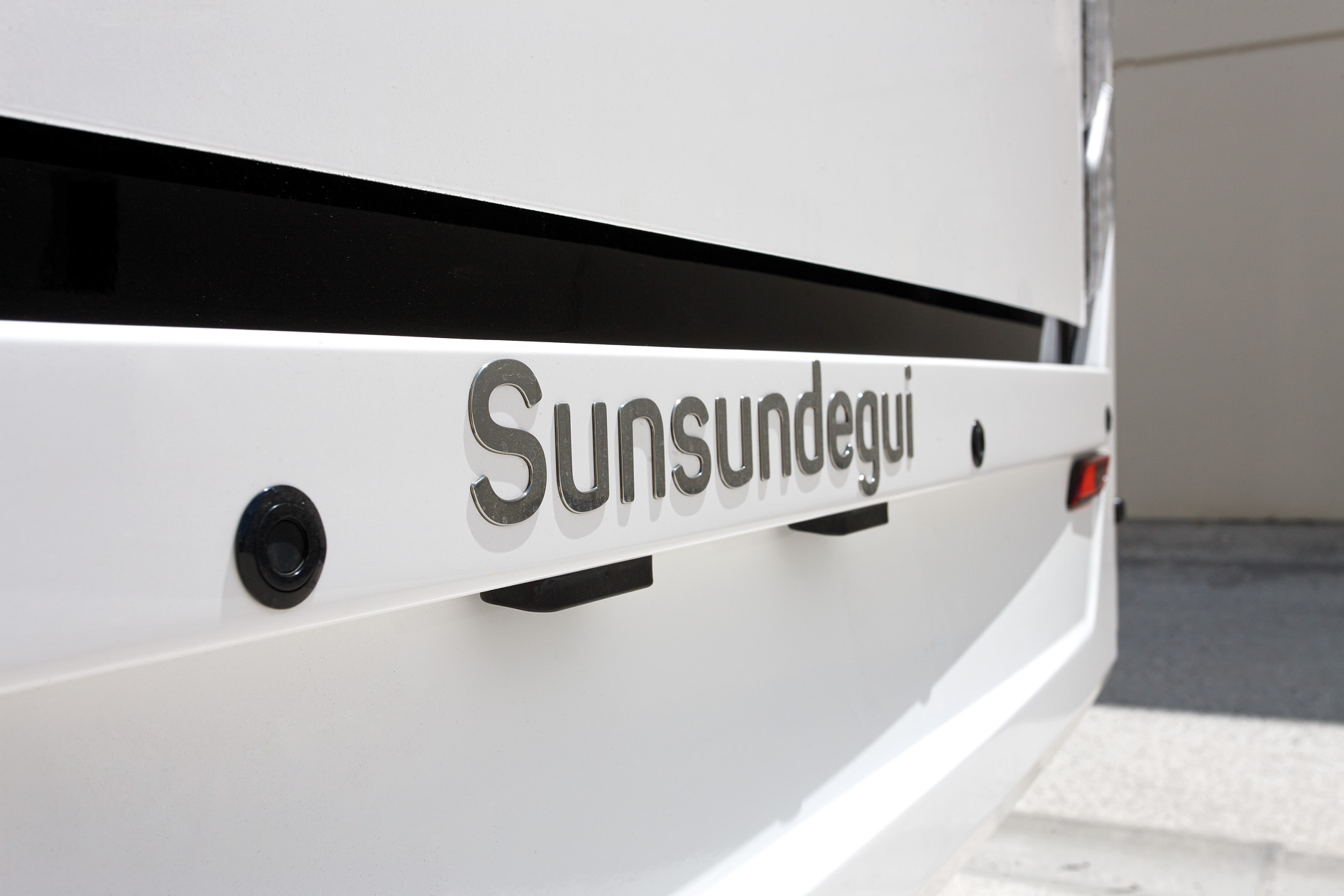
It would appear that Volvo's decision not to transfer production of bodywork for it's 9700 and 9900 coaches and the challenging market conditions may have been too much for Spanish bodybuilder Sunsundegui.


Sunsundegui in pre-bankruptcy proceedings
Spanish coachbuilder Sunsundegui has filed for administration so it can buy time to negotiate with its creditors.

The company, best known in the UK for producing coaches on Volvo chassis, has €48.8m operational debts, some with suppliers but the bulk with loans, but says its order book for 2025 could save it from bankruptcy.
2014-hoy_sc5-300x200.jpg


The Sunsundegui directors claim that the core of the problem stems from the aborted plan to build Volvo’s 9700 and 9900 flagship coaches, after the closure of the modern Volvo coachbuilding factory in Poland. In preparation for building the Volvo designs, Sunsundegui had taken on a swathe of new workers and tooled up for the new production lines when Volvo pulled the plug on the project.

Interim cash injections amounting to €9m from regional government and €5.1m from Volvo, which ran out in August, have not been enough to address the debt issues, the company told a government minister.
 
Sponsor Post - registered members do not see these adverts; click here to register, or click here to log in
R

RailUK Forums

gka472l

Member
Joined
29 Apr 2016
Messages
671
Location
Merseyside
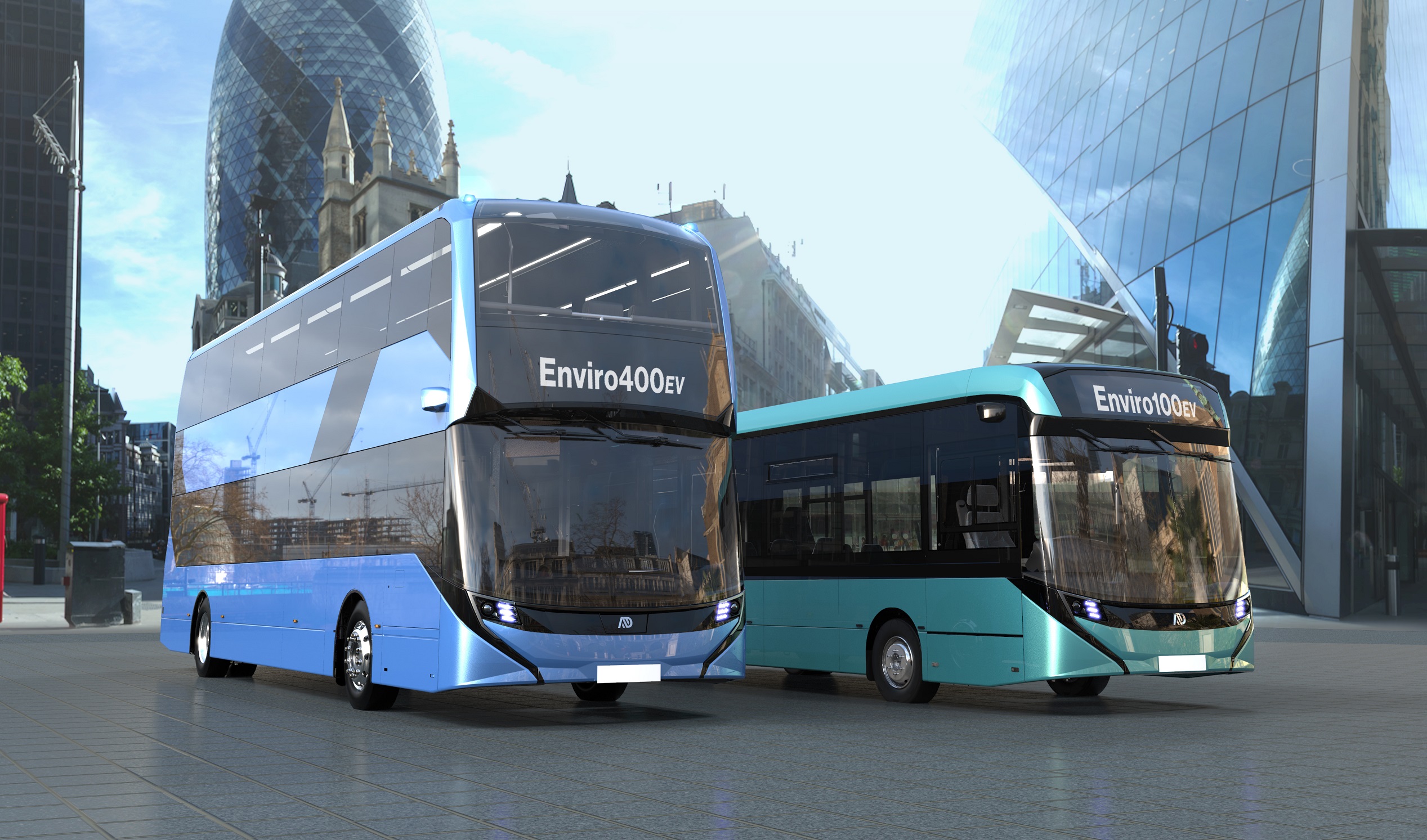
The ADL E400EV demo will be on loan at Arriva Merseyside from 19/9 to 7/10, working from Speke depot on route 204 in Liverpool. It will be wrapped in the Merseytravel 'Metro' livery.....can't post the source as it's on a private FB group.....
Just a quick update to this, the E400EV is being delivered to Arriva Merseyside at Speke tomorrow, and will be used for driver familiarisation for a few days before entering service on 26 September, and will return to ADL on 7 October.

HTH
 

ClydeCoaster

Member
Joined
31 Jul 2019
Messages
203
It would appear that Volvo's decision not to transfer production of bodywork for it's 9700 and 9900 coaches and the challenging market conditions may have been too much for Spanish bodybuilder Sunsundegui.

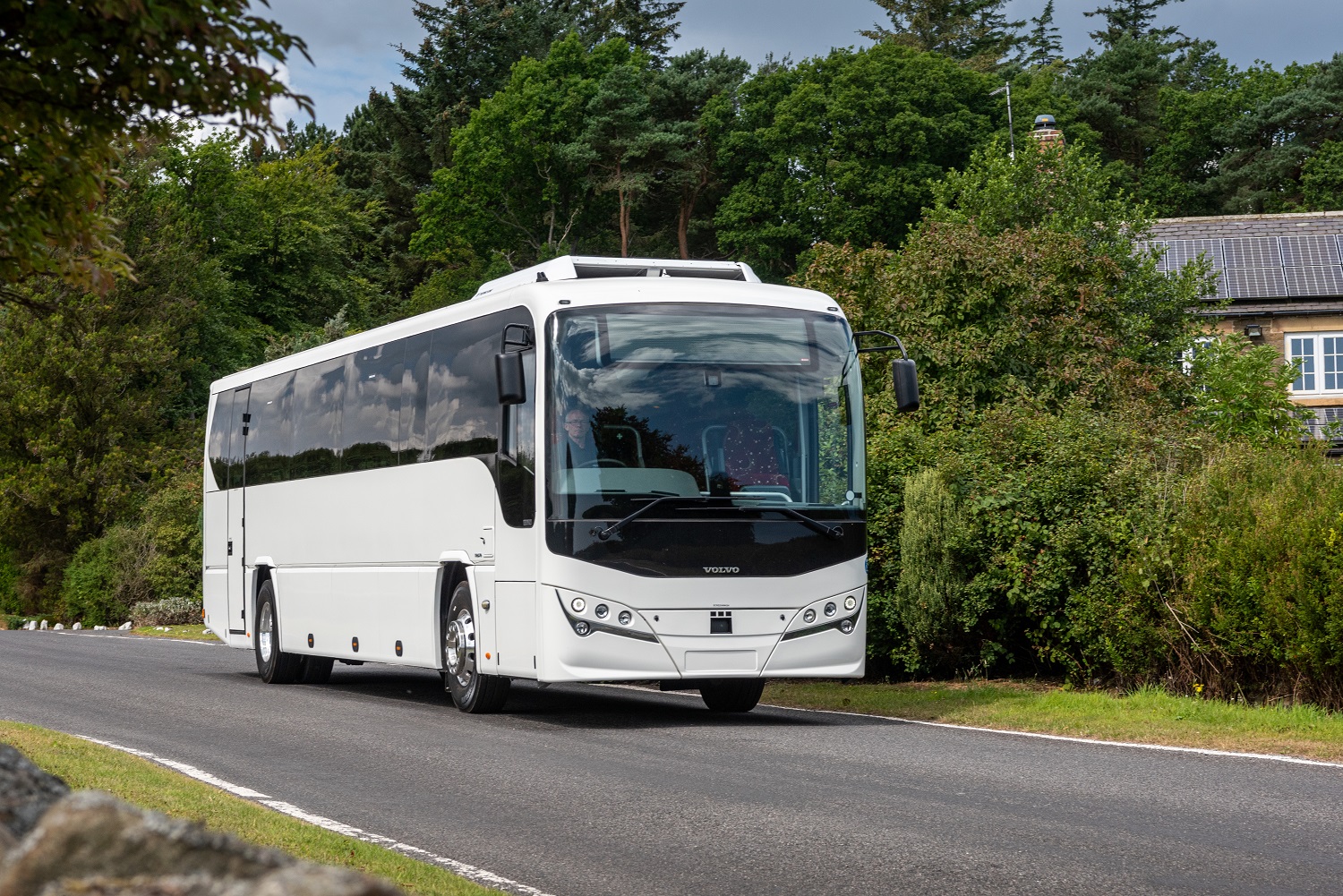
If, and it is obviously an if, Sunsundegui fails, who's left bodying Volvo coach chassis in the UK? MCV with the B8R based Evotor, and Carrus Delta with the 9700DD, but is that it? It makes ADL's decision to "mothball" Plaxton rather than invest even more short-sighted.
 

Mollman

Established Member
Joined
21 Sep 2016
Messages
1,727
Location
Preston
It would appear that Volvo's decision not to transfer production of bodywork for it's 9700 and 9900 coaches and the challenging market conditions may have been too much for Spanish bodybuilder Sunsundegui.

I am surprised they started preparing for Volvo work without an agreement that would include compensation for the preparation costs if Volvo pulled the plug.
If, and it is obviously an if, Sunsundegui fails, who's left bodying Volvo coach chassis in the UK? MCV with the B8R based Evotor, and Carrus Delta with the 9700DD, but is that it? It makes ADL's decision to "mothball" Plaxton rather than invest even more short-sighted.
Or perhaps it was a smart move given that they would have to create a brand new product range for the new Volvo chassis and risked the same outcome as Sunsundegui.
 

Eyersey468

Established Member
Joined
14 Sep 2018
Messages
2,607
I am surprised they started preparing for Volvo work without an agreement that would include compensation for the preparation costs if Volvo pulled the plug.

Or perhaps it was a smart move given that they would have to create a brand new product range for the new Volvo chassis and risked the same outcome as Sunsundegui.
I suspect some of ADLs decision was down to needing to invest in a new product range, their newest coach the Leopard is about 8 years old now, the Elite is about 17 and the basic design of the Panther is nearly 25
 

Gag Halfrunt

Member
Joined
23 Jul 2019
Messages
1,006
I am surprised they started preparing for Volvo work without an agreement that would include compensation for the preparation costs if Volvo pulled the plug.

They got a cash injection of €5.1 million from Volvo. The report does not say whether that money came before or after Volvo cancelled the deal. Perhaps a cancellation clause kicked in or Volvo offered the money as a settlement to avoid being sued for breach of contract.

Interim cash injections amounting to €9m from regional government and €5.1m from Volvo, which ran out in August, have not been enough to address the debt issues, the company told a government minister.
 

GusB

Established Member
Joined
9 Jul 2016
Messages
8,193
Location
Elginshire
If, and it is obviously an if, Sunsundegui fails, who's left bodying Volvo coach chassis in the UK? MCV with the B8R based Evotor, and Carrus Delta with the 9700DD, but is that it? It makes ADL's decision to "mothball" Plaxton rather than invest even more short-sighted.
Was it AD's decision to "mothball" Plaxton? I recall reading an article that suggested that Plaxton's relationship with Volvo was "fraught" - I'm sure it was quoted on the forum somewhere. It seems to me that the problem lies with Volvo, rather than with any of the body-building partners.

The article is here. I haven't quoted it in full, but I'm sure you can draw your own conclusions.

There are additional challenges. Part of the appeal of Plaxton’s coaches in the last decade has been the umbilical connection to Volvo chassis, favoured by many operators. I understand that relationship has been fraught, and Volvo in the UK does, of course, have its own range of coaches including the B8R MCV eVoTor, built in Egypt, which could be viewed by a Volvo devotee as almost a straight swap for Leopard.

The bus and coach market has been moving towards a more vertically-integrated model for some time now and Volvo, being primarily a chassis builder, has suffered as a result. The Volvo/Van Hool combination was ubiquitous for years; likewise, there was a period where Volvo/Jonckheere products were fairly common. Jonckheere was absorbed into VDL, as was Berkhof. I'm not sure what happened with Van Hool - did it decide to focus solely on its own integral products rather than doing what it did well - ie, building bodies on chassis?

Volvo developing (or acquiring) its own body manufacturing facilities makes complete sense but, historically, it doesn't ever seem to have gone well.

As for the body builders, they no longer have the range of alternative chassis to build on that there used to be.

There's much to be said for not putting your eggs in one basket!
 

citybus2500

Member
Joined
12 May 2021
Messages
202
Location
Birmingham
Was it AD's decision to "mothball" Plaxton? I recall reading an article that suggested that Plaxton's relationship with Volvo was "fraught" - I'm sure it was quoted on the forum somewhere. It seems to me that the problem lies with Volvo, rather than with any of the body-building partners.

The article is here. I haven't quoted it in full, but I'm sure you can draw your own conclusions.


The bus and coach market has been moving towards a more vertically-integrated model for some time now and Volvo, being primarily a chassis builder, has suffered as a result. The Volvo/Van Hool combination was ubiquitous for years; likewise, there was a period where Volvo/Jonckheere products were fairly common. Jonckheere was absorbed into VDL, as was Berkhof. I'm not sure what happened with Van Hool - did it decide to focus solely on its own integral products rather than doing what it did well - ie, building bodies on chassis?

Volvo developing (or acquiring) its own body manufacturing facilities makes complete sense but, historically, it doesn't ever seem to have gone well.

As for the body builders, they no longer have the range of alternative chassis to build on that there used to be.

There's much to be said for not putting your eggs in one basket!
Maybe the relationship was "fraught" but I'm not sure I would draw the conclusion that the issue was Volvo and not ADL!

ADL have form for putting out press relreases blaming others for misfortunes of their own making.

Lets not forget that ADL is a tiny company to deal with for Volvo whereas ADL are somewhat full of their own self importance. Volvo also have another body builder to supply the UK market (and hopefully 2 if Sunsun survive).

The bigger picture of course is the market. There is lots of competition for "cheap" coaches and there is nothing special at all about a Plaxton.
 

MotCO

Established Member
Joined
25 Aug 2014
Messages
6,147
Was it AD's decision to "mothball" Plaxton? I recall reading an article that suggested that Plaxton's relationship with Volvo was "fraught" - I'm sure it was quoted on the forum somewhere. It seems to me that the problem lies with Volvo, rather than with any of the body-building partners.

The article is here. I haven't quoted it in full, but I'm sure you can draw your own conclusions.


The bus and coach market has been moving towards a more vertically-integrated model for some time now and Volvo, being primarily a chassis builder, has suffered as a result. The Volvo/Van Hool combination was ubiquitous for years; likewise, there was a period where Volvo/Jonckheere products were fairly common. Jonckheere was absorbed into VDL, as was Berkhof. I'm not sure what happened with Van Hool - did it decide to focus solely on its own integral products rather than doing what it did well - ie, building bodies on chassis?

Volvo developing (or acquiring) its own body manufacturing facilities makes complete sense but, historically, it doesn't ever seem to have gone well.

As for the body builders, they no longer have the range of alternative chassis to build on that there used to be.

There's much to be said for not putting your eggs in one basket!
Maybe they should update the Javelin chassis and build an integral coach?
 

37114

Member
Joined
4 Jul 2019
Messages
518
Maybe the relationship was "fraught" but I'm not sure I would draw the conclusion that the issue was Volvo and not ADL!

ADL have form for putting out press relreases blaming others for misfortunes of their own making.

Lets not forget that ADL is a tiny company to deal with for Volvo whereas ADL are somewhat full of their own self importance. Volvo also have another body builder to supply the UK market (and hopefully 2 if Sunsun survive).

The bigger picture of course is the market. There is lots of competition for "cheap" coaches and there is nothing special at all about a Plaxton.
Lets also not forget that coach production was tiny compared to the volume of buses and with the likes of many "volume" coach purchasers such as National Express buying other brands then Plaxton would be spreading all their fixed development costs over a small number of units at a time when there has been a growing increase in cheap imports. With the wider context of ADL profit challenges and a high level of fixed costs to cover then it is a no brainer to invest in the market where you have growth potential or have (had) dominant position.

== Doublepost prevention - post automatically merged: ==

Maybe they should update the Javelin chassis and build an integral coach?
I fear that would make the situation worse not better.. Only 5 years or so until a market shift to electric, an untried chassis in a depressed and competitive market, at factories without the capacity to add a new range of chassis in (the diesel bus chassis production is outsourced since Guilford closed) and no obvious engineering synergies with the bus range would take some convincing for investment...
 
Last edited:

MotCO

Established Member
Joined
25 Aug 2014
Messages
6,147
I fear that would make the situation worse not better.. Only 5 years or so until a market shift to electric, an untried chassis in a depressed and competitive market, at factories without the capacity to add a new range of chassis in (the diesel bus chassis production is outsourced since Guilford closed) and no obvious engineering synergies with the bus range would take some convincing for investment...
Fair comment. Maybe with the development of in-house electric buses they could also develop an in-house integral electric coach? Could the new electric ADL200 be easily adapted with a raised floor for underfloor luggage space and batteries at the rear?
 

37114

Member
Joined
4 Jul 2019
Messages
518
MI Vehicle Integration at Leyland.

I thought the chassis production had been moved to Scotland.
I was under the same impression but on page 64 of this thread it is clarified Diesel production moved to MI Vehicle integration in Leyland, their website has pictures of ADL bus chassis on it: https://www.mi-vehicleintegration.com/services/chassis-and-vehicle-assembly

From the press release at the time the E400EV chassis manufacturing is done in Scotland at Larbert:


"Alexander Dennis has plans to expand its Larbert head office and warehouse facility into a manufacturing site for the future, in order to increasing zero-emission manufacturing capability

Being more specific, Larbert site (roughly between Glasgow and Edinburgh) will focus on the production of the new Enviro400EV zero-emission bus from August 2023, assembling the next-generation body on the new Alexander Dennis battery-electric chassis. The decision follows a successful pilot programme to build Enviro400FCEV hydrogen fuel cell buses in Larbert, the manufacturer says.
The move expands Alexander Dennis’s UK manufacturing footprint from two to three production sites. The Larbert expansion, which converts existing warehouse space into production lines, “supports the company’s 690+ green manufacturing jobs in Scotland”, ADL says."

== Doublepost prevention - post automatically merged: ==

Fair comment. Maybe with the development of in-house electric buses they could also develop an in-house integral electric coach? Could the new electric ADL200 be easily adapted with a raised floor for underfloor luggage space and batteries at the rear?
I am not an engineer but imagine lots of the drive train and chassis configuration would be different and hence best designed from scratch. That is of course assuming ADL believe there is demand to warrant such an investment vs using the resources to expand their bus customers.
 

Mikey C

Established Member
Joined
11 Feb 2013
Messages
8,285
Was it AD's decision to "mothball" Plaxton? I recall reading an article that suggested that Plaxton's relationship with Volvo was "fraught" - I'm sure it was quoted on the forum somewhere. It seems to me that the problem lies with Volvo, rather than with any of the body-building partners.

The article is here. I haven't quoted it in full, but I'm sure you can draw your own conclusions.


The bus and coach market has been moving towards a more vertically-integrated model for some time now and Volvo, being primarily a chassis builder, has suffered as a result. The Volvo/Van Hool combination was ubiquitous for years; likewise, there was a period where Volvo/Jonckheere products were fairly common. Jonckheere was absorbed into VDL, as was Berkhof. I'm not sure what happened with Van Hool - did it decide to focus solely on its own integral products rather than doing what it did well - ie, building bodies on chassis?

Volvo developing (or acquiring) its own body manufacturing facilities makes complete sense but, historically, it doesn't ever seem to have gone well.

As for the body builders, they no longer have the range of alternative chassis to build on that there used to be.

There's much to be said for not putting your eggs in one basket!
Van Hool collapsed and was rescued by VDL, so it's a tough time for bodybuilders. Cheap Chinese coaches have made a real dent in the market.
 
Joined
31 Dec 2021
Messages
834
Location
Glasgow
Van Hool collapsed and was rescued by VDL, so it's a tough time for bodybuilders. Cheap Chinese coaches have made a real dent in the market.
But cheap Chinese coaches have made a dent in the market because simply put, private limited companies want to save as much money as possible and western brands don’t get government subsidy to compete with said Chinese brands…
 

ClydeCoaster

Member
Joined
31 Jul 2019
Messages
203
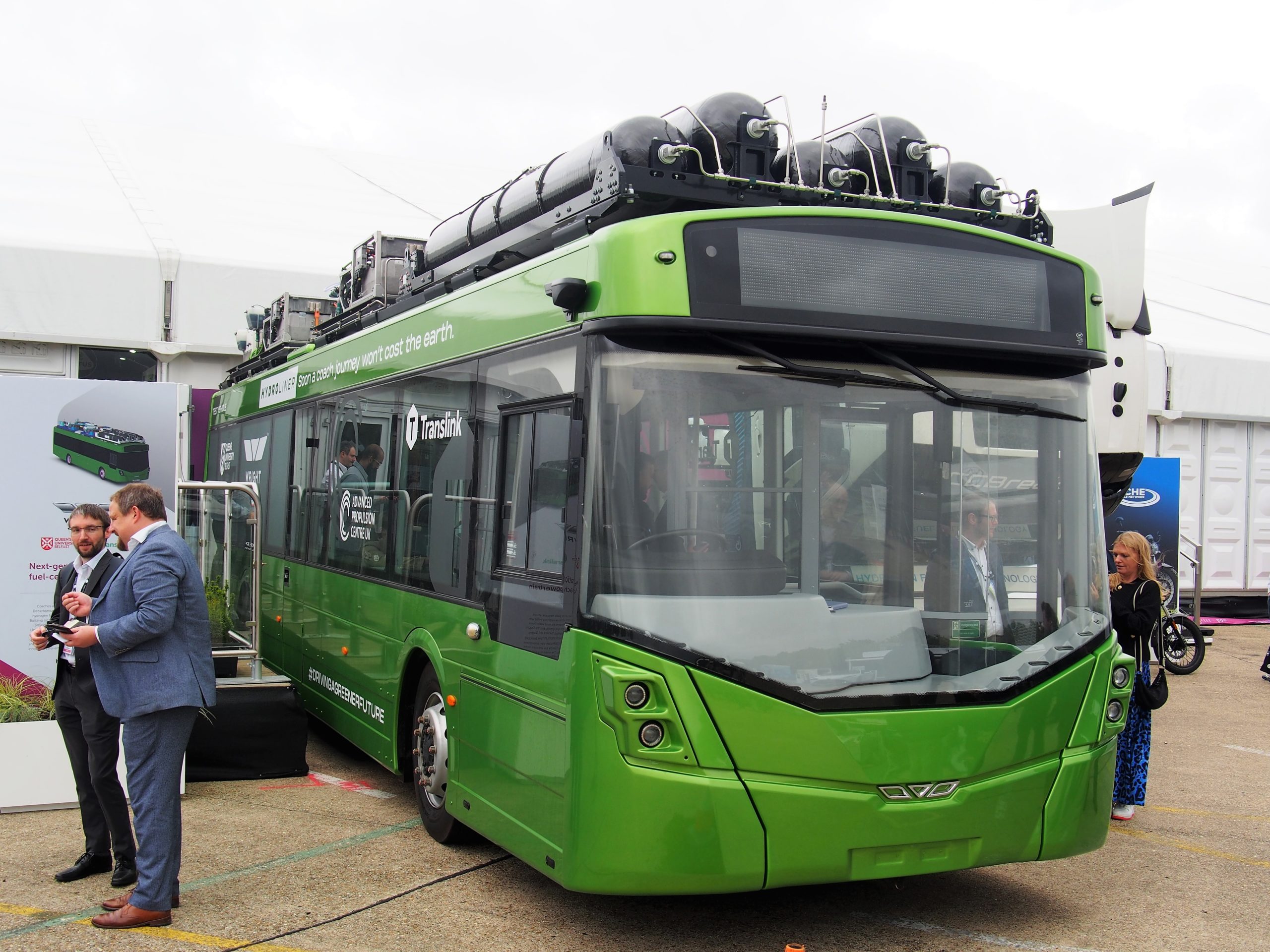
Good points made on fhe size of the coach market they'd be competing for, and also remembering Wrightbus is forging ahead with its zero emission coach. A driveline demonstrator with Kite bodywork is ready and is shortly going to shadow the Translink 212 service from Belfast to Derry/Londonderry.

Wright are also on with developing the bodywork, and aren't ruling out either a double deck version, or indeed a BEV version if the interest is there.

Wrightbus revealed the latest stage of its hydrogen coach development at the Cenex Expo 2024 at Millbrook proving ground in Bedfordshire today and yesterday.

The low carbon vehicle show hosted the first public outing of this demonstrator. Not only is the vehicle significant in being the company’s first hydrogen coach it has worked on, but also because it is the first coach it has developed since the ‘90s. B&CB went to the Expo to see the vehicle in the metal earlier today (5 September 2024).

Perhaps the first thing to notice about the hydrogen coach demonstrator is the fact it is not a coach, but a bus. Nevertheless, its hydrogen driveline is configured to power a coach, despite it being used on a GB Kite Hydroliner. It is important to remember that this vehicle is about demonstrating the capabilities of the powertrain. The bodywork will come later.

George Foster, Principle Software Engineer at Wrightbus, told B&CB that the demonstrator vehicle uses a Voith heavy duty motor. This is a common choice for the manufacturer, having been selected for many of its existing buses. George said: “Voith have one of the most efficient systems on the market.”

In particular, the demonstrator has the Voith Electric Drive System (VEDS) for PCV applications installed. This is rated at 310kW of continuous power, with a torque of 3,100Nm. George said that those that know this driveline in Wrightbus’ existing products will be familiar with the way the demonstrator drives.

In the rear of the saloon, walled off by a plastic see-thorough screen, are six 15kWh Forsee Power Pulse 15 batteries, providing total power of 90kWh for the vehicle.

For fuel cells, Wrightbus is using four StackPack 75 units from Symbio, a French provider. “We haven’t used them before, so we are trialling their product,” George said.

In terms of where the drive systems are to be located on the finished coach, George said that many of the company’s designs currently mount them on the underfloor, but it is possible they could end up on the roof, which is the case for the hydrogen tanks on the demonstrator. The importance of maximising luggage capacity will be taken into account by Wrightbus when it comes to fitting equipment below decks, B&CB is told.

George stressed it is important to remember the layout of the driveline and fuel stacks in the demonstrator is not necessarily representative of the configuration of the final coach. He said: “There are various configurations we have drawn up.”

Nor is Wrightbus wedded to the choice of equipment providers it has used on the demonstrator. The final product could use other manufacturers’ equipment.

The vehicle is set to go out on test runs following the Expo, which will last up to the end of this year. The testing is expected to help Wrightbus develop where the various components will fit. The first of these trials will be with Translink, seeing the vehicle shadow a diesel coach on route 212 between Londonderry and Belfast. Following this service will be a real challenge for the vehicle, according to George, with some demanding inclines to negotiate. “If it’s capable of surviving that route, then it can do anything,” said Head of Research and Data Analytics at Wrightbus, Andy Harris.

There will be no passengers on this on-road trial, George says, but the vehicle will be loaded with ballast to simulate their weight.

The intercity coach sector is one of the markets Wrightbus foresees its hydrogen coach entering, according to George: “But really, we want to aim it for any market that would want it.”

On why hydrogen coaches seem to be less forthcoming in their development in the market than hydrogen buses have been, George said: “It’s more technically demanding. The high-power components required make it more expensive to do. How it is all packaged together is also a challenge.”

He also notes hydrogen infrastructure is still levelling up to the point it needs to be to support the role out of more hydrogen vehicles.

The development of the coach has been supported by the Advanced Propulsion Centre (APC), an organisation dedicated to accelerating the transition to a net-zero automotive industry.

Andy Harris said the company has applied a lot of what was learnt in its existing hydrogen city buses for the development of the coach. Looking at the amount of miles operated by diesel coaches in a day, he does not believe a battery electric option is viable. The goal

Hydrogen tanks and equipment located on the demonstrator’s first

currently is to test it to see if it can achieve a range of 1,000km (622miles).

The demonstrator displayed today can be considered phase one of Wrightbus’ move into hydrogen coach development, Andy said. It is intended to prove the powertrain behind the vehicle.

In addition to the driveline, work is being done on developing the body of the coach. Andy says that as well as a single-decker, a double-deck variant of the hydrogen coach could also be produced. “We have identified a niche market there,” he said. Design work for both variants is underway.

Andy said the hope is for the bodywork to be done in-house, but it will be exploring all options, including working with bodybuilders.

Currently, Wrightbus is exploring the use of a more traditional aluminium body for the coach rather than any composite material other electric vehicles have adopted, Andy explains. The company will also be making use of its in-house GRP facilities for the vehicle, as it does for its city buses.

The emphasis on the coach body design will be on achieving a light weight vehicle, while still delivering a quality product, according to Andy.

In terms of delivering a finished vehicle, Andy estimates two to three years. This somewhat aligns with what Wrightbus CEO, Jean-Marc Gales, said earlier this year that a hydrogen coach would be in production by 2026.

As well as single- and double-deck variants, different lengths and powertrain configurations could also be offered. Andy said: “A lot of work will go into how we can maximise the seats, with a lot of emphasis being put into the costs and the supply chain. We will be looking at maximising the space in the roof and engine bay without encroaching too much on the passenger space.”

It is not just Wrightbus putting some thought into the vehicle’s design. The company’s suppliers have also been challenged with potentially supplying the parts needed for the vehicle.

As well as Translink, various large UK operators have also shown interest in the possibility of operating a hydrogen coach, according to Andy.

As the coach is designed, Robert Best, Director of Engineering at Wrightbus, notes that the hydrogen supply network will only continue to develop.

For Robert, hydrogen is ‘absolutely the right fuel to use’ for this project. However, he notes that if there is enough interest in a BEV platform for a coach, then the company would not rule out designing one.

“It’s about using the right fuel for the right customer,” he said.

 
Last edited:

jammy36

Member
Joined
28 Aug 2013
Messages
324
Cheap Chinese coaches have made a real dent in the market.

Have they? I'd suggest that Mercedes-Benz's rapid increase in market share in the UK coach market in the last 10 years has had a much greater impact than "cheap Chinese coaches". Yutong has had some recent success with its models but only in the last couple of years have they sold coaches in any meaningfully significant numbers. What other Chinese manufacturers have made a "real dent in the market"?
 

Richard Scott

Established Member
Associate Staff
International Transport
Railtours & Preservation
Joined
13 Dec 2018
Messages
4,584
Have they? I'd suggest that Mercedes-Benz's rapid increase in market share in the UK coach market in the last 10 years has had a much greater impact than "cheap Chinese coaches". Yutong has had some recent success with its models but only in the last couple of years have they sold coaches in any meaningfully significant numbers. What other Chinese manufacturers have made a "real dent in the market"?
Are Higer still sold here? Remember having a Higer bodied Scania on a trip once, after that experience told travel firm if they wanted my business they had to guarantee coach was not of Chinese origin as it was a really poor quality product.
 

ClydeCoaster

Member
Joined
31 Jul 2019
Messages
203
While we're in danger of veering off topic, Yutong are making inroads also because of immediate availability. Tourismos I believe have a lead time of nearly a year.
 

Energy

Established Member
Joined
29 Dec 2018
Messages
5,135
Have they? I'd suggest that Mercedes-Benz's rapid increase in market share in the UK coach market in the last 10 years has had a much greater impact than "cheap Chinese coaches". Yutong has had some recent success with its models but only in the last couple of years have they sold coaches in any meaningfully significant numbers. What other Chinese manufacturers have made a "real dent in the market"?
Agreed. Yutong have gained market share, but Irizar, Mercedes, Caetano, and Volvo’s 9700/9900 have already taken large chunks of the market.

Plaxton’s product lineup hasn’t changed in a while, and Volvo no longer offering the B11R means only the B8R Panther and Leopard are available, both of which are quite old. The Panorama was recently released but was never going to get large orders and now needs a considerable order for Plaxton to convert it to the B13R chassis.
While we're in danger of veering off topic, Yutong are making inroads also because of immediate availability. Tourismos I believe have a lead time of nearly a year.
I’m not surprised, most manufacturers have had long lead times in the last few years.
 

joieman

Member
Joined
18 Feb 2024
Messages
990
Location
Loughborough
Agreed. Yutong have gained market share, but Irizar, Mercedes, Caetano, and Volvo’s 9700/9900 have already taken large chunks of the market.
Indeed, Caetano have a very reliable customer in National Express! We all know what happened the last time they didn't order Caetanos!
 

Bungle965

Established Member
Associate Staff
Buses & Coaches
Joined
2 Jul 2014
Messages
3,389
Location
Calder Valley
Indeed, Caetano have a very reliable customer in National Express! We all know what happened the last time they didn't order Caetanos!
It’s interesting because they looked at Van Hool as a result of Caetano Boa Vista not really being much of a success, which is what lead to National Express to presumably look elsewhere.
Now Van Hool has failed I wonder if they will take another look at refining with Caetano.
 

Eyersey468

Established Member
Joined
14 Sep 2018
Messages
2,607
It’s interesting because they looked at Van Hool as a result of Caetano Boa Vista not really being much of a success, which is what lead to National Express to presumably look elsewhere.
Now Van Hool has failed I wonder if they will take another look at refining with Caetano.
I'm told the contract with Caetano is up at the end of the year, while operators don't really want Levantes due to the reliability issues and poor build quality, though I can't think of any other bodywork that is PSVAR and has a wheelchair lift in the front and not behind the front wheel
 

Energy

Established Member
Joined
29 Dec 2018
Messages
5,135
I'm told the contract with Caetano is up at the end of the year, while operators don't really want Levantes due to the reliability issues and poor build quality, though I can't think of any other bodywork that is PSVAR and has a wheelchair lift in the front and not behind the front wheel
I wonder if we’ll see National Express open up the options now PSVAR rules are in. Flixbus seem far more open bus model wise.

The Plaxton Elite was available with front lift NatEx spec but I’ll be surprised if we see operators go back.
 

Eyersey468

Established Member
Joined
14 Sep 2018
Messages
2,607
I wonder if we’ll see National Express open up the options now PSVAR rules are in. Flixbus seem far more open bus model wise.

The Plaxton Elite was available with front lift NatEx spec but I’ll be surprised if we see operators go back.
The Elite being made to meet NX requirements was down to Parks of Hamilton. NX want a vehicle that is recognisably a NX vehicle and a lot of stations and stops are not designed for vehicles where the wheelchair lift is behind the front wheel
 

Energy

Established Member
Joined
29 Dec 2018
Messages
5,135
Yutong turn out about 500 units per day. https://www.route-one.net/features/yutong-showcases-the-worlds-largest-new-energy-bus-factory/ I doubt if Plaxton made 500 coaches a year.
Though that includes city buses. Plaxton won't be making any buses for a few years, they are building up some stock then focusing on electric city buses.
The Elite being made to meet NX requirements was down to Parks of Hamilton. NX want a vehicle that is recognisably a NX vehicle and a lot of stations and stops are not designed for vehicles where the wheelchair lift is behind the front wheel
Stagecoach got some for NX duties as well.
 

citybus2500

Member
Joined
12 May 2021
Messages
202
Location
Birmingham
I'm told the contract with Caetano is up at the end of the year, while operators don't really want Levantes due to the reliability issues and poor build quality, though I can't think of any other bodywork that is PSVAR and has a wheelchair lift in the front and not behind the front wheel
There will be Lavantes arriving throughout 2025.
 

Top