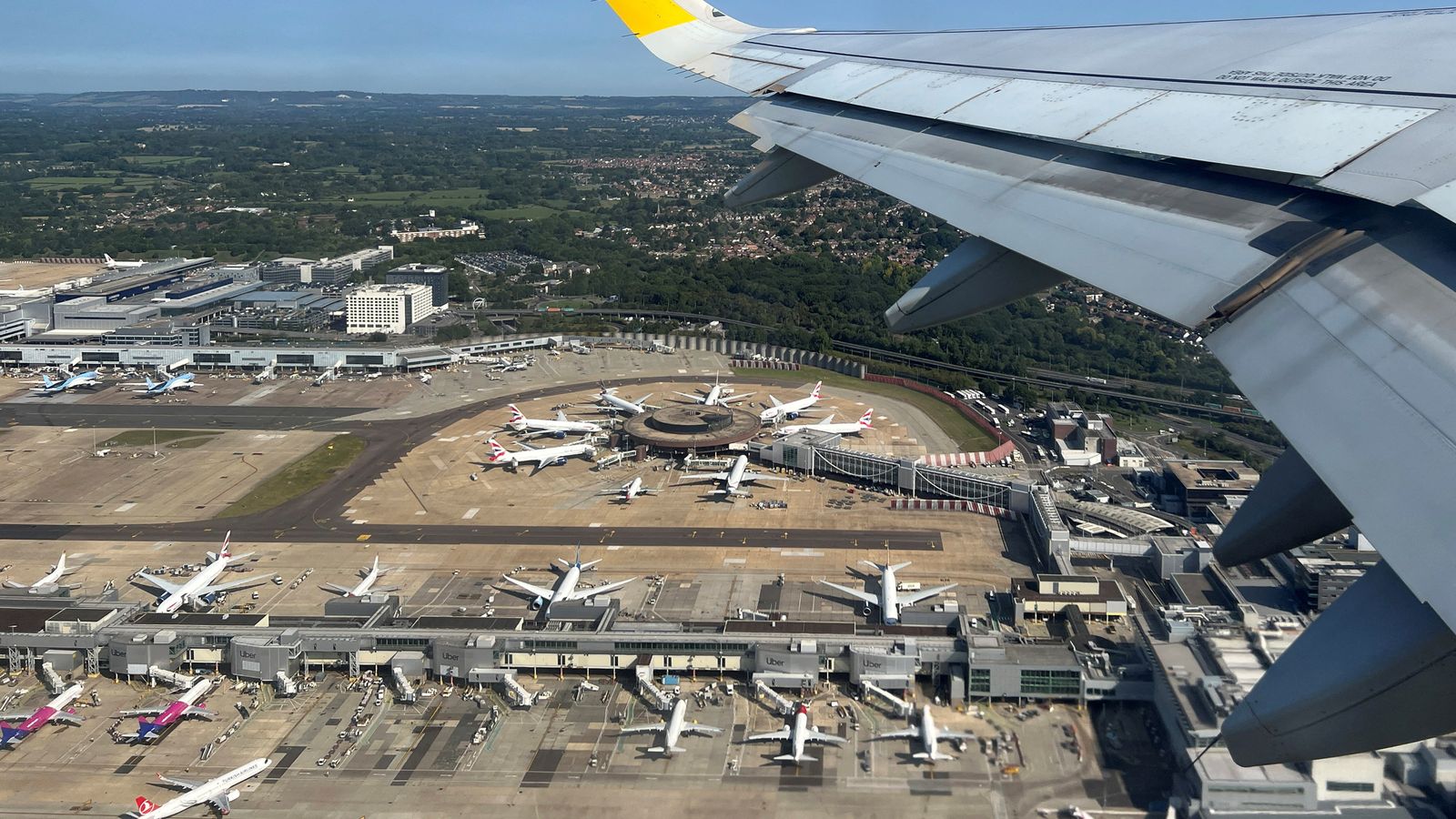
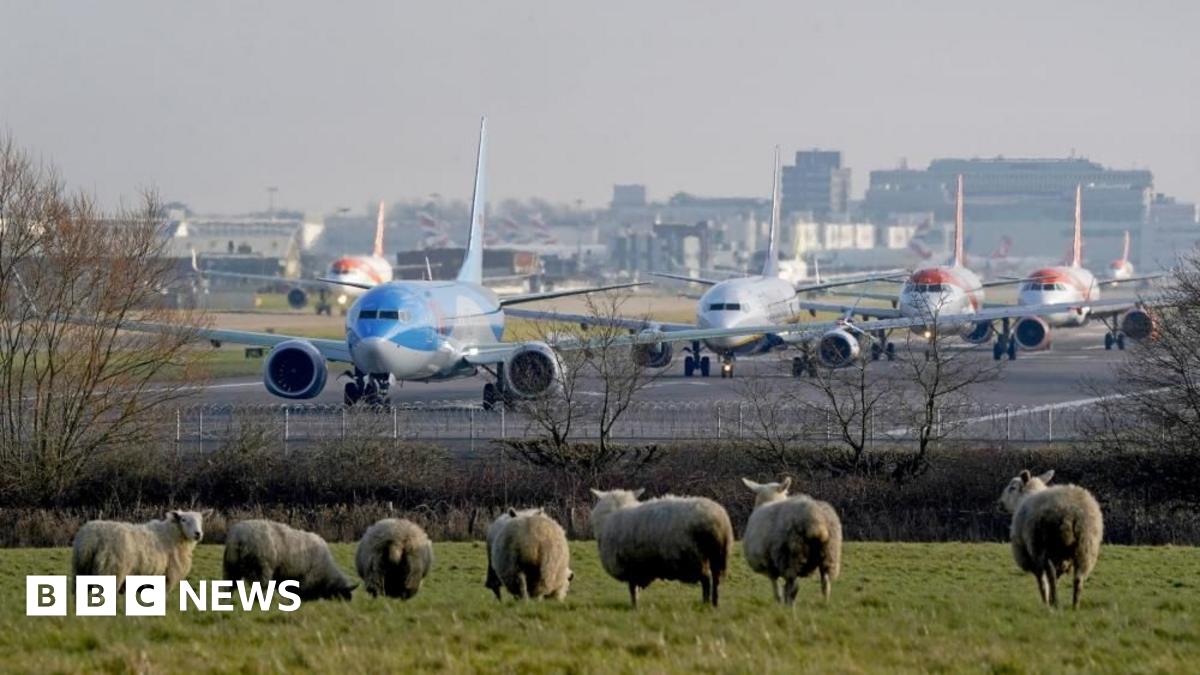
There was a really interesting post on FlyerTalk recently about the separation between the different jets at Heathrow:
https://www.flyertalk.com/forum/bri...lub/1949283-ask-staffer-127.html#post37009166
That poster's take was that wake separation is the main issue, but even two identical jets have to have radar separation of 3 nautical miles.
It's already been stated, but to be a hub, you need aircraft of all sizes really including 'small' aircraft. Heathrow actually has very few sub-100 seat planes which makes it a touch unusual by European/ North America hub standards.
Agreed, you don't see the really small stuff at Heathrow, other than Loganair I can't think of much at Heathrow below 100 seats. You don't really see things like the Embraer e-Jets. That's different to places like Schiphol.
But I'm still of the opinion that flying A319s or A220s into Heathrow is a simple waste of resource. If a link can't fill at least an A320 then, quite frankly, what is the point of running it?
I am actually of the belief a small percentage of slots for any hypothetical R3 should be reserved for domestic flights as connectivity to the regions would help give a boost to everywhere.
I think it depends on what we mean by domestic flights.
I don't think we should be expanding Heathrow to accommodate more very short domestic flights. Domestic/CTA flights on different land masses, yes- so Isle of Man, the Channel Islands, Northern Ireland, etc. Scotland? Probably. But for most of England I'd say that there should actually simply be better integration between aviation and rail, in a similar way to the link between Lufthansa and DB. Manchester passengers should, for the most part, be directed to HS2.