
trainmania100
Established Member
Personally I don't know what the difference is. Lewes has a big curve on platform 1 and 2 andAren't they DOO with On Board Supervisors ?
Last edited by a moderator:

Personally I don't know what the difference is. Lewes has a big curve on platform 1 and 2 andAren't they DOO with On Board Supervisors ?

 www.facebook.com
The Rail Accident Investigation Branch has confirmed it is sending teams to the site of a derailment in Lewes.

Possibly the defect (buckle?) happened under the train you were on, so the front end passed through without incident and the driver was unaware of any issues? Happened at Tattenhall Junction (Chester) in 1971, buckle occured in the middle of a ten coach train at 70mph, causing two fatalities.I was on the train half an hour before this one and there was a massive jolt between Cooksbridge and Lewes, easily the worst one I've ever felt. I'd have assumed the driver reported it but judging by what's happened, it doesn't seem that way.
A guard is a safety critical member of staff without which the train cannot operate.Personally I don't know what the difference is. Lewes has a big curve on platform 1 and 2 and definitely has on board staff to dispatch it
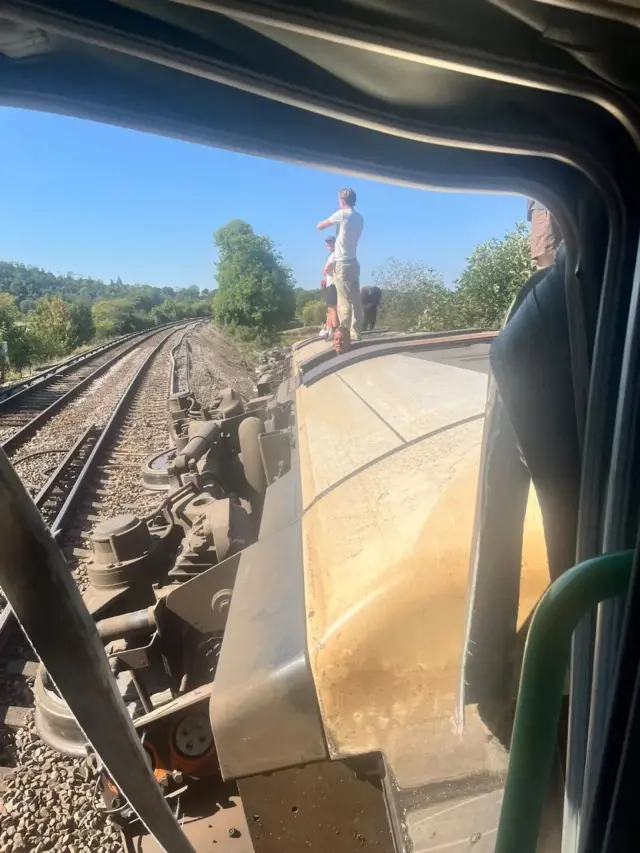

The photos posted earlier (post #7) show that there is another significant buckle further back than the obvious one in this photo.The BBC have verified this image showing the buckled track.
Unless the train is in DOO territory (or most of the rest of Europe) in which case it can.A guard is a safety critical member of staff without which the train cannot operate.


This is correct. Almost all Southern services are DOO with OBS.Aren't they DOO with On Board Supervisors ?
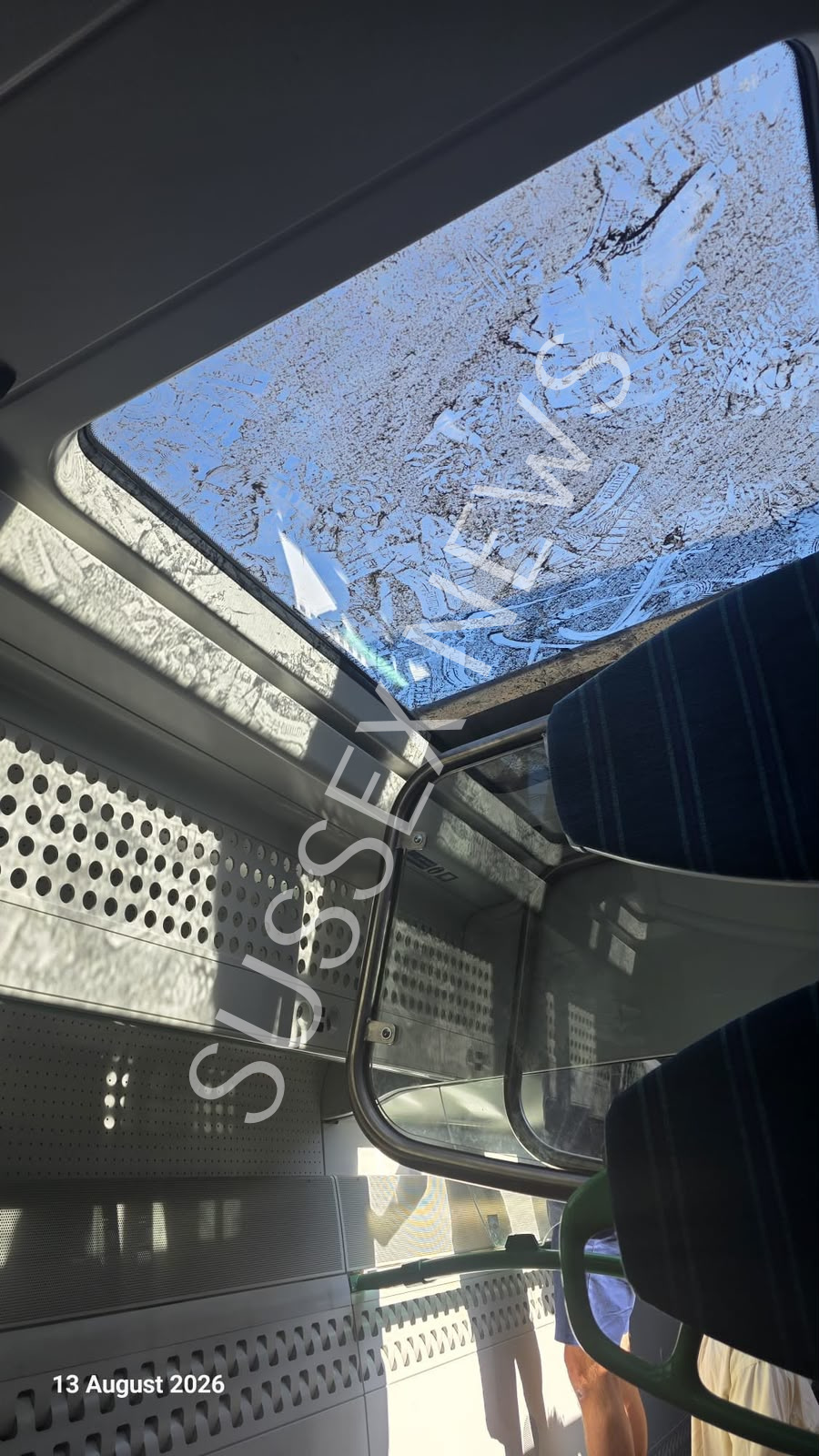

Southern driver here. I sign all routes through Lewes. I definitely handle the entire dispatch procedure at all platforms at Lewes.Personally I don't know what the difference is. Lewes has a big curve on platform 1 and 2 and definitely has on board staff to dispatch it

Yes, the front half (1st train) was GBR brandedSome of the carriages were GBR branded it seems
The leading unit - 387172 - carries GBR dark blue livery.Some of the carriages were GBR branded it seems
Thats my thought. If the front of the train went over that it would definately have been derailed aswell. I would say the embankment gave way under the trainCould the buckle be exacerbated by the train derailment though, this appears too extreme to have happened since the previous service .
Sone really poor reporting as usualBBC interviewd a passenger at length who was very clear, and sugfested part if the delay in evacuation was becayse of the electrified tracks.
Then interviewed the Industry editor of RAIL, who said he didnt think the libe was electrified. He may not know the network well, but surely he can recognise an ELECTROstar, one of the commonest types on the network.
To be honest, I thought the evacuation of passengers was fast, considering how much slower it normally is..BBC interviewd a passenger at length who was very clear, and sugfested part if the delay in evacuation was becayse of the electrified tracks.

It is Porterbrook livery, not c2c liveryThe trailing unit was a 387/3, which carries (C2C?) all over white with blue doors.
I was on the train half an hour before this one and there was a massive jolt between Cooksbridge and Lewes, easily the worst one I've ever felt. I'd have assumed the driver reported it but judging by what's happened, it doesn't seem that way.
To be honest, I thought the evacuation of passengers was fast, considering how much slower it normally is..
If true, that would be rather ... surprising!BBC interviewd a passenger at length who was very clear, and sugfested part if the delay in evacuation was becayse of the electrified tracks.
Then interviewed the Industry editor of RAIL, who said he didnt think the libe was electrified. He may not know the network well, but surely he can recognise an ELECTROstar, one of the commonest types on the network.
Given the quality of that publication when I have read it, I am not at all surprised!If true, that would be rather ... surprising!
You don't need to worry. The Railtrack years didn't scare passengers away, and those times were much worse than anything happening recently. Railway accidents have always made the news, sometimes more than perhaps necessary, and railway staff and supporters have always lamented that fact. L. T. C. Rolt even talks about it in the introduction to Red for Danger, published over 70 years ago. Some things never change.It may be in the public interest to cover but I would imagine it is not in the interests of anyone who works on the railway that people start fearing rail travel, cancelling plans, and so on, which is what I think broadcasting these horrific scenes achieves.
I'm sure that certain media outlets will be more than happy to accompany their footage with "are railways unsafe? would this have happened with automation? should you drive to work instead?", etc etc. Classic fear mongering, especially in light of the Bedford collision.
I think this explains why in this thread, people are trying to lessen the severity of this incident, perhaps they have an interest in people continuing to use the railways
Would there not be a feeling of coaches further behind derailing in the driver's cab? Isn't that what happened in the Potters Bar derailment?I guess a driver might initially be unaware of a derailment further down the train. That must raise issues with whether to press the "stop all trains" button?


