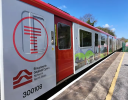
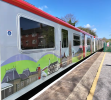
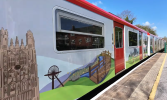
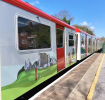
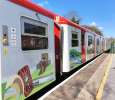
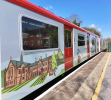
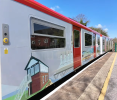
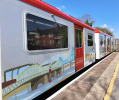
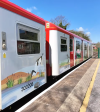
Can I ask why the TfW ones seem so unreliable?
If I remember correctly, they were very reliable when under TfL, and the GWR unit seems to be doing fine too.
Basically only the bodyshells and bogies remained after conversion from D78 Stock to one of the Class 230 variants.
The Marston Vale DEMU varant was very unreliable (engines kept failing, and they had a couple of fires). They ended up getting withdrawn and replaced with Class 150s.
The TfW Battery DEMU hybrid variant has had issues with engines overheating, clogged radiators (similar to the issues experienced with the Marston Vale units) and batteries overheating due to the battery raft design not including a cooling system (these issues are what originally necessitated the midday unit swaps). Over the autumn/winter thay have also suffered from hot brakes, excessive brake wear and tyre damage which has required the brake blocks to repeatedly replaced and visits to the wheel lathe.
The GWR BEMU variant has had retification work recently due to issues with the interlock sensing on it's charging system. Even then it's only working weekends on a very short shuttle service. It's still too early to judge it's reliabilty after only a few weekends.
The first two variants suffered from being rushed into service without sufficiient development and testing. In my opinion there were also substandard engineering and maintenance practices at VivarRail, particularly surrounding the specification, design, operation and maintenance of the engine rafts (which was discussed earlier in the thread), which seemed to stem from a lack of relevant design experience (before they went bankrupt, VivaRail were looking to replace the engine rafts with a new design using engines that were desiged to run as generators instead of powering vans and pickups). TfW and Stadler's maintenance engineers at Birkenhead North have been working to try and mitigate and resolve their issues.
Did they? I thought that they hadn't changed the type of brake blocks they used, and therefore they disintegrated from adhesion gel or something?
Yes, that was my theory from earlier in the thread. The D78s in LU service never had to cope with Sandite, and it's Sandite contaminattion of the brake blocks that is causing the excessive wear to both them and the tyres. I also think that the significant weight increase with the addition of the battery and engine rafts means that the brakes also get hotter and wear faster in conditions where regenerative braking cannot be used (i,e when the battery managment system decides that braking current cannot be dumped into the batteries).