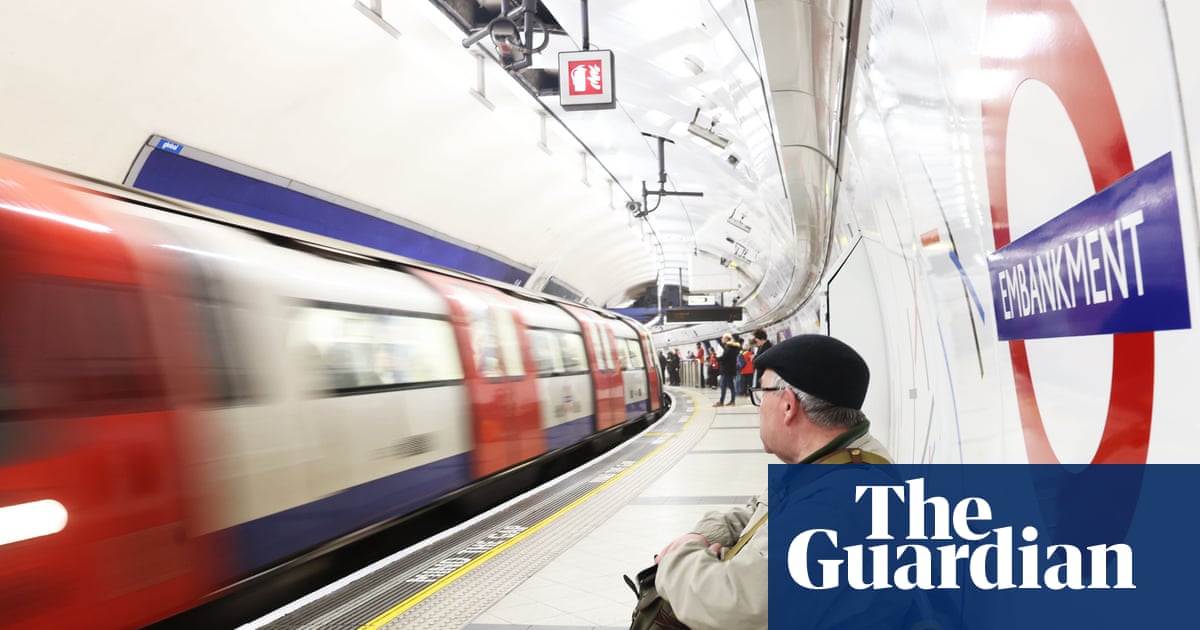
As per:
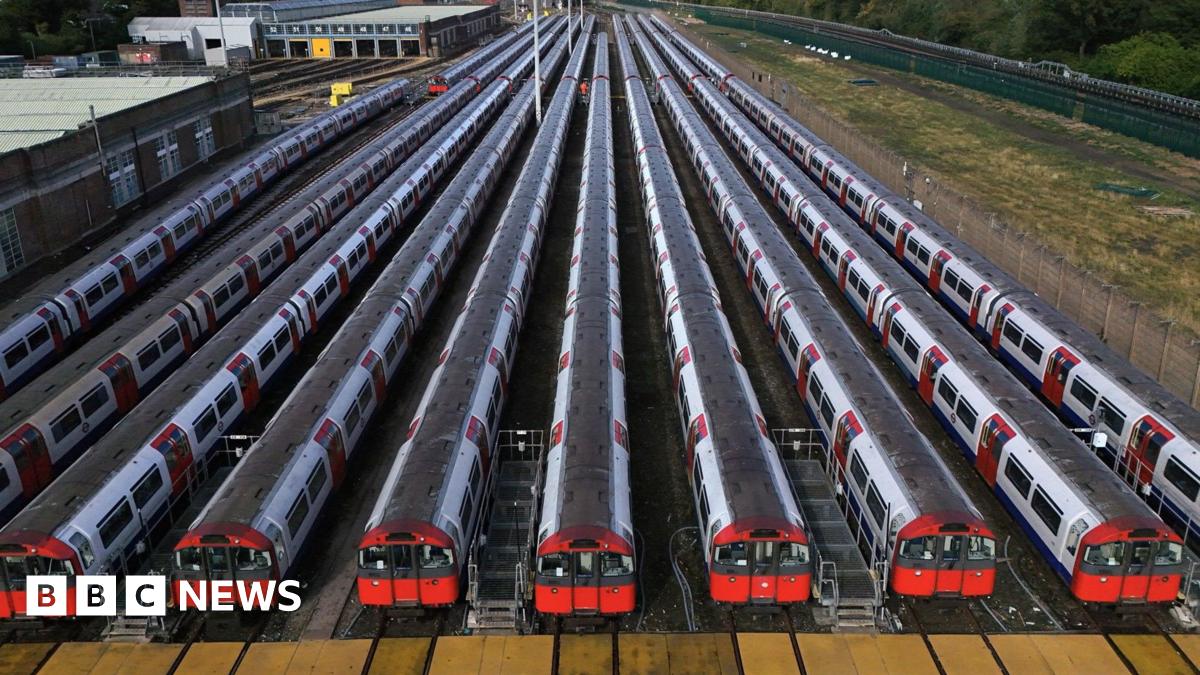
 www.bbc.co.uk
It's unclear whether the times stated refer to when train operators (drivers) book on, or whether members will walk out between those times even if already booked on. In the former case there might still be a reasonable morning/evening peak services on the morning before, and evening after, each 24 hour strike period.
From what I recall of previous RMT driver strikes, some lines are more disrupted than others due to the proportions of drivers on each line that belong to RMT vs ASLEF. Is it the Northern line that's usually the least worst affected?
I wonder what ASLEF's position is, and also why RMT are against these proposals when they support a 4 day week at the TOCs and elsewhere.
London Tube strikes: What you need to know as RMT drivers walk out
RMT union members oppose the voluntary introduction of a four-day working week with condensed hours.
www.bbc.co.uk
Tube drivers who are members of the RMT union will begin a series of 24-hour strikes later this month to oppose the introduction of a "condensed" four-day week.
The first is due to be on 24-25 March with several more in the weeks after.
Eddie Dempsey, RMT general secretary, said: "London Underground is trying to force through major changes to working patterns that have already been rejected by our members".
Transport for London (TfL) has previously said the change would be voluntary with no reduction in contractual hours and would improve reliability at no extra cost.
The strike dates are as follows:
- 24–25 March (12:00 Tuesday - 11:59 Wednesday)
- 26–27 March (12:00 Thursday - 11:59 Friday)
- 21–22 April (12:00 Tuesday - 11:59 Wednesday)
- 23–24 April (12:00 Thursday - 11:59 Friday)
- 19–20 May (12:00 Tuesday - 11:59 Wednesday)
- 21–22 May (12:00 Thursday - 11:59 Friday)
It's unclear whether the times stated refer to when train operators (drivers) book on, or whether members will walk out between those times even if already booked on. In the former case there might still be a reasonable morning/evening peak services on the morning before, and evening after, each 24 hour strike period.
From what I recall of previous RMT driver strikes, some lines are more disrupted than others due to the proportions of drivers on each line that belong to RMT vs ASLEF. Is it the Northern line that's usually the least worst affected?
I wonder what ASLEF's position is, and also why RMT are against these proposals when they support a 4 day week at the TOCs and elsewhere.