
I'd love to know how much public money has been blown on a possible Portishead reopening with nothing tangible to show for it.
You can't blame that on the project, rather Westminster's inability to get on with anything.

I'd love to know how much public money has been blown on a possible Portishead reopening with nothing tangible to show for it.
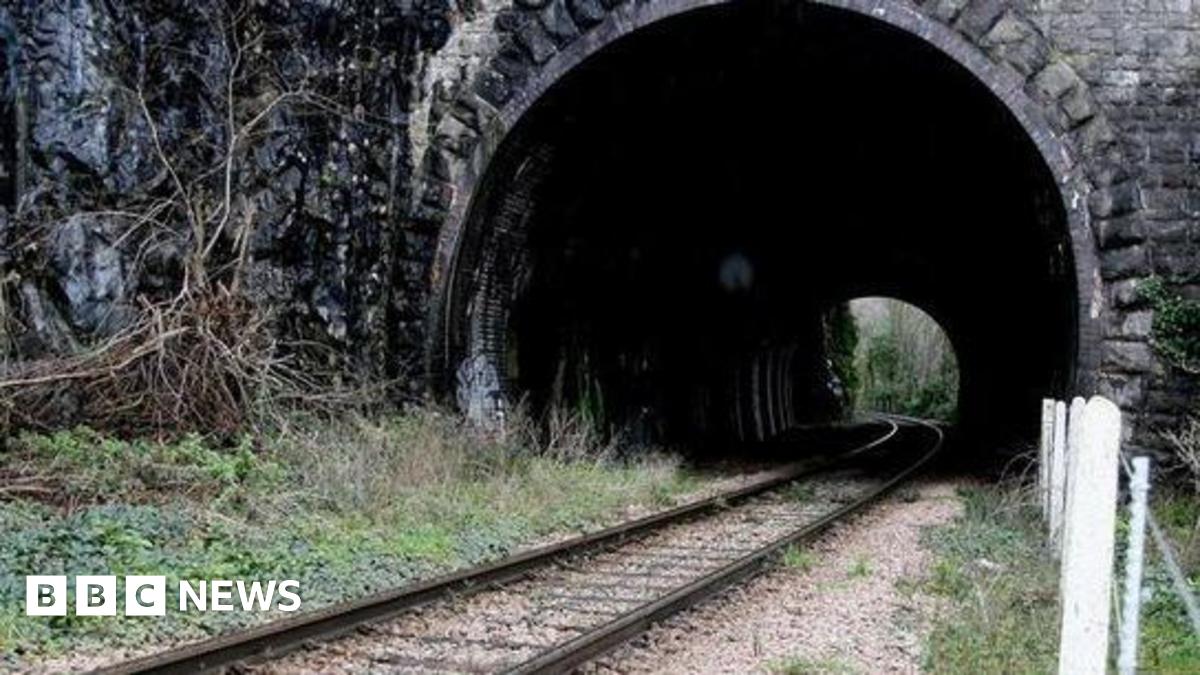
Restoring the rail line between Bristol to Portishead could be "fast-tracked", with construction beginning this year and the first trains running by 2027.
North Somerset Council leaders have approved measures to start construction - if the government agrees to fund the project.
Plans to bring the line back came under threat after the new Labour government announced it was axing the scheme's funding.
Councillor Mike Bell, leader of the council, said the government is now reviewing the project and there have been "encouraging indications that it is being fast-tracked".
The full council meeting on 14 January was told construction of the Portishead line had been set to begin last year and £32m had already been spent on the project.
Restoring the line only requires about three miles of new track, according to the Local Democracy Reporting Service.

I think the uk government will pay for Portishead it's a good piece of good news when we are probably going to see a pause on a few projects.Getting things underway quickly could be a bit of a carrot to get Government to commit. Unfortunately with the ongoing economic situation I'm not sure the government will bite, sadly.
I think the uk government will pay for Portishead it's a good piece of good news when we are probably going to see a pause on a few projects.
BBC said:PM vows to curb "NIMBY" legal blocks on infrastructure
Getting things underway quickly could be a bit of a carrot to get Government to commit. Unfortunately with the ongoing economic situation I'm not sure the government will bite, sadly.
I think the uk government will pay for Portishead it's a good piece of good news when we are probably going to see a pause on a few projects.
Why include reference to rail projects (plural), unless about to announce two or more. One to keep eye on, especially if needs to balance announcements regionally.The Planning and Infrastructure Bill will provide the powers to accelerate the infrastructure and homes needed to deliver on the government’s ambitions – and fast track critical infrastructure such as windfarms, power plants, and major road and rail projects

Government has included this in todays release about planning ahead of Chancellor's speech on Wednesday. No specific projects named ahead of the speech, but clearly going to say something.
Why include reference to rail projects (plural), unless about to announce two or more. One to keep eye on, especially if needs to balance announcements regionally.
Government goes further and faster on planning reform in bid for growth
Chancellor continues bold reform of the planning system to deliver on the Plan for Change for working people.www.gov.uk
Perhaps it will drive the redevelopment of the business parks in the middle of Portishead and the development of the fields around Pill. It feels like a much smaller scale however than say the redevelopment of St Phillips or the Filton airfield.Will Portishead re-opening really ‘unlock’ the scale of transit-oriented high density residential and employment development that seems to be what the Planning and Infrastructure Bill is all about?

A metro system would be great for Bristol and a higher frequency service is required to attract people but the line will be shared with the line to Portbury harbour for most of its route and with other heavy rail services into Temple Meads.I still think they’re missing a trick by going for a heavy-rail solution to this. An hourly service of diesel trains with full signalling etc, vs a Manchester Metrolink-type project, high frequency, lower axle weights etc and future possibility of extension onto the streets.
A light-rail option could form the starting block for a much-needed Bristol tram network.
Needless to say, this project will be welcome however it is done.
A metro system would be great for Bristol and a higher frequency service is required to attract people but the line will be shared with the line to Portbury harbour for most of its route and with other heavy rail services into Temple Meads.
Completely disagree, this line runs between discrete settlements not through an conurbation. Trams stop often and carry lots of short hops whereas a commuter railway takes people from a town into the city centre. There's also the small matter of the freight as mentioned. Further, a new light rail system a) isn't built and b) would need the depot, organisation, staff setup etc rather than being a relatively small add-on into GWR's existing network.I still think they’re missing a trick by going for a heavy-rail solution to this. An hourly service of diesel trains with full signalling etc, vs a Manchester Metrolink-type project, high frequency, lower axle weights etc and future possibility of extension onto the streets.
A light-rail option could form the starting block for a much-needed Bristol tram network.
Needless to say, this project will be welcome however it is done.
High floor tram-trains could work, even sharing the route with freight, if there was a wider network to connect to and share new rolling stock with, and some prospect of new LR extensions, as in South Wales. With just one line so equipped in the Bristol area however, all on heavy rail infrastructure, it'd be a tiny isolated fleet with no advantage over standard HR vehicles. Opening as heavy rail initially doesn't prevent incorporation into a new light metro or similar network in some possible future.Completely disagree, this line runs between discrete settlements not through an conurbation. Trams stop often and carry lots of short hops whereas a commuter railway takes people from a town into the city centre. There's also the small matter of the freight as mentioned. Further, a new light rail system a) isn't built and b) would need the depot, organisation, staff setup etc rather than being a relatively small add-on into GWR's existing network.
Do high-floor in Bristol and you shoot the tram's first advantage in the face. High-floor worked for Manchester with lots of old rail lines to convert quickly, but it's then been a problem for street running sections. A low-floor tram will be required to have stops in the city centre.High floor tram-trains could work,
Exactly.even sharing the route with freight, if there was a wider network to connect to and share new rolling stock with, and some prospect of new LR extensions, as in South Wales. With just one line so equipped in the Bristol area however, all on heavy rail infrastructure, it'd be a tiny isolated fleet with no advantage over standard HR vehicles.
Indeed, although mixing modes is always a compromise and Bristol would, IMO, be far, far, better served by having a distinct light rail tram network that fills in the numerous gaps in between heavy rail corridors. Having an electric cross city service of Henbury-Filton-Portishead and Severn Beach-Clifton Down-Weston SM supplemented by a completely separate tram network that serves the continuous built up area is far better. If you look at a map it's painfully obvious that the Portishead Line isn't right for trams and there are big sectors of Bristol completely unserved by the heavy rail network.Opening as heavy rail initially doesn't prevent incorporation into a new light metro or similar network in some possible future.
I wouldn't say high floor would be a deal breaker if you only intend to have a short central street section with a tiny handful of stations, though clearly the site specific design for each site is more difficult and expensive. High floor could be advantageous if much of the rest of a network was shared or former heavy rail. High floor LR vehicles are often better riding than low floor (though not in Manchester in my experience!) and don't need to place most of their technical equipment on the roof. I agree low floor is usually the better solution for a new predominantly street based tram network, even if it has some fairly fast interurban legs on reserved track in places, like Nottingham. I wonder if Manchester might split eventually into two complementary networks like some German cities, with high floor 'stadtbahn' and low floor 'strassenbahn' routes. Stadtbahn routes tend to be the longer ones with more segregated running and greater station spacing, but some still use street trackage in places, even sometimes shared with the Strassenbahn.Do high-floor in Bristol and you shoot the tram's first advantage in the face. High-floor worked for Manchester with lots of old rail lines to convert quickly, but it's then been a problem for street running sections. A low-floor tram will be required to have stops in the city centre.

I mentioned on the other thread there is a separate set of proposals for several new stations in the WECA area, of which Ashton Gate is one. I'm happy to be corrected, but my understanding is that Ashton Gate is not part of the reopening currently authorised and would need it's own separate approvals.Dan Norris (WECA Mayor and Labour MP) has stated on local bbc news tonight that plans include opening an Ashton gate station. Not sure if he’s referring to phase 1a or the initial..

Together with the (relative) lack of passing opportunities and suboptimal location of the terminus station, there is a risk that this re-opening (assuming it is eventually achieved) will underperform. Suburban rail re-openings ideally need services at least every 30 minutes, as implemented with the recent Ashington line, to attract passengers.Yes still just one train per hour and no station at Ashton Gate yet.
In Bristol, you're going to need more than a short street section. The city centre spreads out quite a way from the Harbour up to Broadmead and down to Temple Meads. Especially with the university development around the station.I wouldn't say high floor would be a deal breaker if you only intend to have a short central street section with a tiny handful of stations, though clearly the site specific design for each site is more difficult and expensive.
If you're doing that you want a light rail metro, not a light rail tram, IMO.High floor could be advantageous if much of the rest of a network was shared or former heavy rail. High floor LR vehicles are often better riding than low floor (though not in Manchester in my experience!) and don't need to place most of their technical equipment on the roof.
I can see Manchester moving to having some Brussels-style 'pre-metro' lines where they're still trams but the stations are designed more along metro operation principles than trams. Although that'll be a long way in the future, because nobody's got the money to do anything major in Manchester city centre at the moment.I agree low floor is usually the better solution for a new predominantly street based tram network, even if it has some fairly fast interurban legs on reserved track in places, like Nottingham. I wonder if Manchester might split eventually into two complementary networks like some German cities, with high floor 'stadtbahn' and low floor 'strassenbahn' routes. Stadtbahn routes tend to be the longer ones with more segregated running and greater station spacing, but some still use street trackage in places, even sometimes shared with the Strassenbahn.
30 minutes should be the immediate goal, but as long as the hourly service is sensibly timed for people to get into and out of the city centre without long waits then I don't think it will significantly underperform. Compared to the road or bus options, a 25min train direct to the main office area will be quite attractive, especially with the onwards connections to Filton and Clifton Down.Together with the (relative) lack of passing opportunities and suboptimal location of the terminus station, there is a risk that this re-opening (assuming it is eventually achieved) will underperform. Suburban rail re-openings ideally need services at least every 30 minutes, as implemented with the recent Ashington line, to attract passengers.
Hopefully the former trackbed that will not be used due to the station being located further out will be turned into a pedestrian/cycle path. It could provide a nicer walking route into town.


I don't think I've heard any opposition to this plan, well except for the imaginary ones in Grant Shapps head.Sshhh...
Is that a NIMBY I hear stirring..?
The harbour railway - the New Cut branch, at least - would be better used as a light rail system which would partially replace the Metrobus from Long Ashton Park and Ride. Hopefully the guided busway could be adapted for light rail use without too much disruption and it could interchange with the Portishead Line at Ashton Gate station. Light rail could run as far as the MShed in place of the heritage line, but then from MShed some demolition would be required to get through the 1980s housing at Chalonner Court, over the Bathurst Basin, and into the tunnel under Redcliffe. The formation is blocked beyond the eastern portal of Redcliffe Tunnel by the Novotel, but with some demolition a tram could access Redcliffe Way, and thence proceed to Temple Meads. The Council are talking of re-modelling Redcliffe Way; it would be good to see passive provision here for future light rail.

