Must confess that this just reinforces my view that you should always wear a seatbelt at all times whilst sat in your seat on an aircraft! I've always kept it on loose even after the seatbelt is off in case of sudden turbulence but now I'll be keeping it on in case a plug in the fuselage falls out of the aircraft!!

-
Our new ticketing site is now live! Using either this or the original site (both powered by TrainSplit) helps support the running of the forum with every ticket purchase! Find out more and ask any questions/give us feedback in this thread!
You are using an out of date browser. It may not display this or other websites correctly.
You should upgrade or use an alternative browser.
You should upgrade or use an alternative browser.
3 month old 737-9 Max depressurisation incident
- Thread starter Bayum
- Start date
- Status
- Not open for further replies.
Sponsor Post - registered members do not see these adverts; click here to register, or click here to log in
R
RailUK Forums

It is a failsafe design: as long as the bolts are in place then air pressure acts to seal the door. Would you say that the engines aren't fail safe since they'll fall off if the retaining pins are taken out? And this isn't a Max issue, the NextGen series use the same design.They are in that it's a flawed, non-fail-safe design.

YorkRailFan
Established Member
DGCA said inspections on 39 aircraft (out of 40) have been completed with nil findings except on one aircraft wherein a missing washer was found This came in after an international operator, on December 28, had discovered a bolt with a missing nut while performing routine maintenance. As a result of this, Boeing had recommended all the airlines to conduct an inspection of their B737 Max fleet. The civil aviation regulator Directorate General of Civil Aviation (DGCA) on Tuesday said that one Indian B737Max aircraft was found with a lose hardware and an action for rectifying it is in process.
DGCA said that based on information from an operator of a missing nut and washer in the Aft Rudder Quadrant (a metal fitting) on a Boeing 737 MAX airplane, Boeing recommended a one-time inspection of all Boeing 737 MAX airplanes before January 10 for possible loose hardware.
“Inspections on 39 aircraft (out of 40) have been completed with nil findings except on one aircraft wherein a missing washer was found,” DGCA said.
“Rectification action as per recommendations of Boeing has been taken prior to release of this aircraft,” it added.
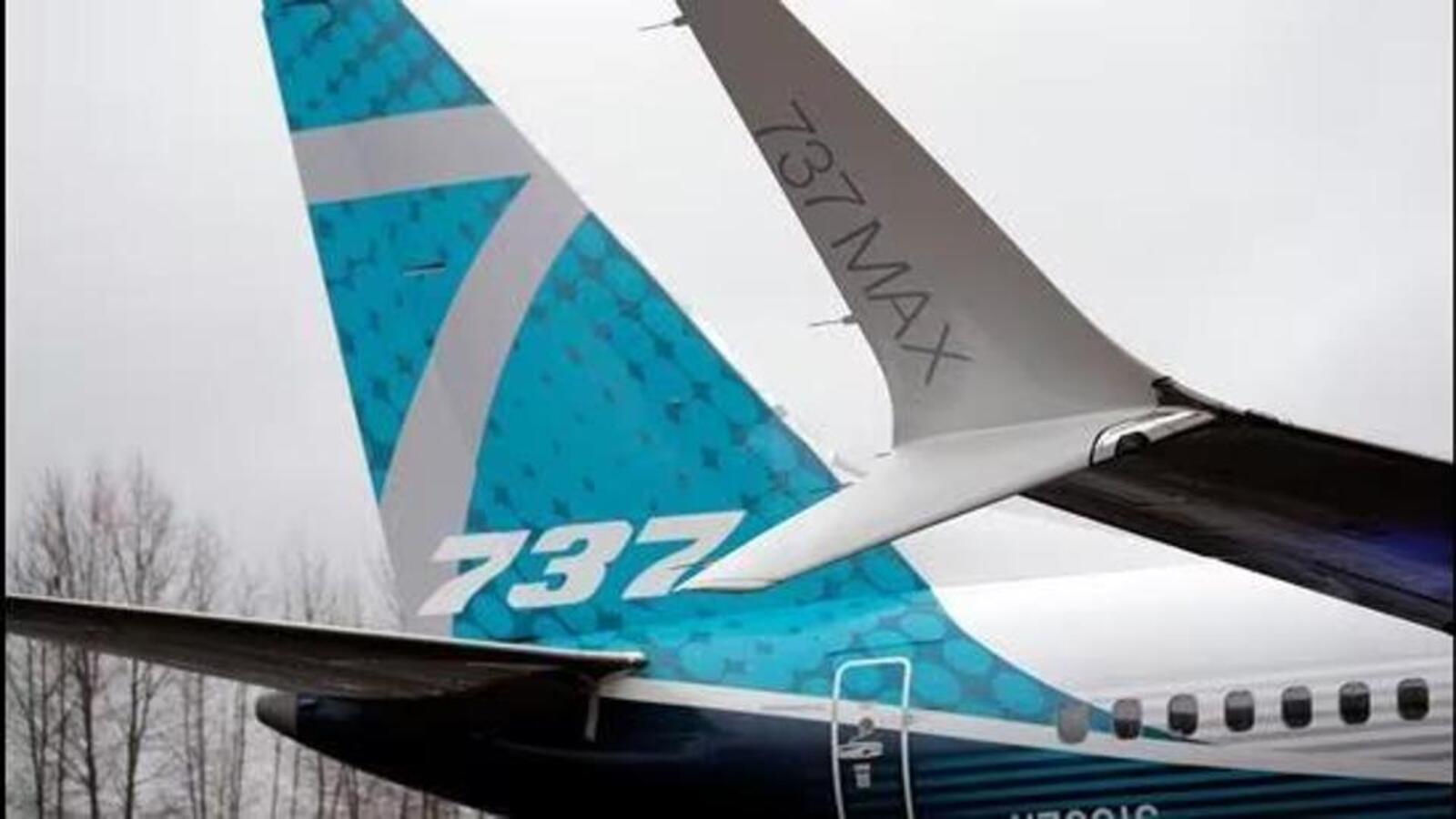
One B737 Max aircraft found with lose hardware; being rectified: DGCA
DGCA said inspections on 39 aircraft (out of 40) have been completed with nil findings except on one aircraft wherein a missing washer was found
I would love to know which aircraft this is. Looking at planespotters.net, Spicejet has one 737-8 parked and Air India Express has 2 737-8s parked, all of Akasa's 737-8s are listed as "in service". The registration of Akasa's 737-8-200 is VT-YAV for those wondering and is listed as "in service".
The same design has been in use for decades with exactly zero issues, which hardly suggests it is a poor design.
The factory that built and fitted the plug though - that has a very recent reputation for missing components and poor assembly with numerous issues being detected before and after completion of the airframes. It's very easy to make something designed to be fail-safe exactly the opposite if you don't build it correctly.
The factory that built and fitted the plug though - that has a very recent reputation for missing components and poor assembly with numerous issues being detected before and after completion of the airframes. It's very easy to make something designed to be fail-safe exactly the opposite if you don't build it correctly.
Bletchleyite
Veteran Member
The same design has been in use for decades with exactly zero issues, which hardly suggests it is a poor design.
It's an old (but solid) design which has been utterly bodged to make the 737 Max. The Classic and the NG are minor improvements to the design, the MAX just tried to do too much with it and shouldn't have been built. The NG should have been the last 737.
The factory that built and fitted the plug though - that has a very recent reputation for missing components and poor assembly with numerous issues being detected before and after completion of the airframes. It's very easy to make something designed to be fail-safe exactly the opposite if you don't build it correctly.
Certainly, but a good failsafe design has multiple levels of failure needed before it's a problem, this didn't.
== Doublepost prevention - post automatically merged: ==
It is a failsafe design: as long as the bolts are in place then air pressure acts to seal the door.
But if the bolts aren't in place...
Would you say that the engines aren't fail safe since they'll fall off if the retaining pins are taken out?
Sometimes it's not possible to have that extra layer. In this case it quite clearly is.
And this isn't a Max issue, the NextGen series use the same design.
Then that's a bodge too.
We're going to have to disagree then. And, with respect, take a moment to think about the position you are taking.Then that's a bodge too.
We have here a design that has worked successfully, without issue for nearly thirty years and has only failed due to mistakes made during assembly.
To my mind at least, the problem isn't the design - it's the assembly process.

Ted633
Member
- Joined
- 15 Mar 2018
- Messages
- 571
The cockpit door is designed to blow open if there is a pressure loss to prevent any structural damage from a pressure difference within the aircraft.Somewhat worrying that it's now been reported the incident blew the cockpit door open, at least one checklist and the first officer's headphones ending up in the cabin. I thought these doors were supposed to be impenetrable?
As it's already been mentioned, when the Turkish DC10 lost its cargo door the cabin floor collapsed due to the pressure difference between the cargo bay and cabin, severing control cables. It's this reason blow out panels are fitted between the cargo and cabin
Slightly off topic, but all windscreens on large jets are installed from the outside.Absolutely, and sometimes an unsafe failure is unavoidable. I suspect the cause will come down to poor quality control and poor construction line practices at Boeing.
But even the famous example of the BA flight 5390 cockpit windscreen failure was because the windscreen on the One-Eleven was fitted from the outside and secured against the fuselage, rather than from inside and pushed against the fuselage. If it had been a plug that was fitted from the inside then it wouldn't have moved. I do wonder if the same will apply here.
There's also the issue that the plug seemingly drops down into the position where it can be taken out from the outside, rather than having to be pushed up into that position.
It's also a timely reminder to always keep your seatbelt securely fastened whilst seated.
Bletchleyite
Veteran Member
To my mind at least, the problem isn't the design - it's the assembly process.
To mine it's both, given that there's an option to make it such that even if the bolts were really loose or missing entirely it wouldn't have failed (or it would have been obvious it had, i.e. it'd be lying on the seat before the plane even made it to the gate).
Safety is a "Swiss cheese" approach. Your argument is a bit like "there's no such thing as dangerous junctions, just dangerous drivers" when in reality your "Swiss cheese" of road safety is a combination of vehicle design, road design, driver education, speed limits, enforcement......
It's closer to "There has never been a problem at this junction, which was designed to handle passenger cars. But whenever HGVs use it, something goes wrong."Your argument is a bit like "there's no such thing as dangerous junctions, just dangerous drivers"...
edwin_m
Veteran Member
The 737 overwing exit also opens outwards. It is arguably a safer design than the Airbus version which detaches and has to be thrown out through the opening - needing more time, more prone to someone getting it wrong during an evacuation and I think creating a smaller opening. However, I guess the Boeing version is also potentially more at risk of a blowout for this reason. This is the sort of design tradeoff that has to be made when considering severe but rare hazards for which the mitigation measures may be mutually exclusive.
Bletchleyite
Veteran Member
The 737 overwing exit also opens outwards. It is arguably a safer design than the Airbus version which detaches and has to be thrown out through the opening - needing more time, more prone to someone getting it wrong during an evacuation and I think creating a smaller opening.
Fairly sure the Boeing upwards style ones create a smaller opening. Plus they create an opening that's harder to get through quickly - for me I'd be bent double with something above my head, and potentially stumble and fall, rather than being able to duck briefly to pass the door then stand fully up once on the wing. It is a trade off against having to physically manoeuvre a 20kg (I think it's about that) door though. It would be interesting to see if there have been tests of which lead to quicker evacuations (or if it's about the same) and if there's any way we could have the best of both worlds.

Flydubai have a “deactivated exit” rather than a plug as on Alaska and United. I’d be grateful if anyone has any pictures to see if there is an obvious internal or external difference.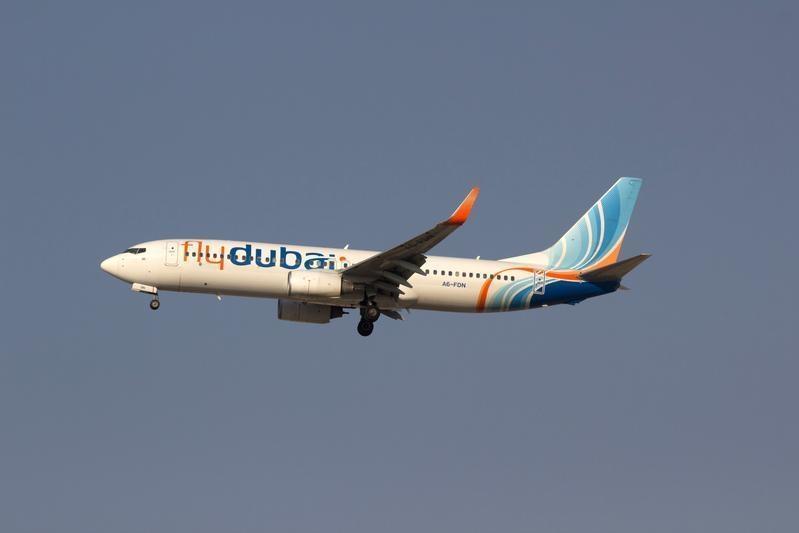
Airline flydubai says its three BOEING 737 MAX 9 unaffected by FAA grounding - Khaleej Times
Flydubai operates Boeing 737 MAX 9 aircraft with a deactivated mid-aft exit door configurationwww.zawya.com
I find this statement concerning. The DGCA has ordered a full inspection of all 737 MAX aircraft in India, yet no Indian carrier operates the 737-9 (Akasa operates the 737-8-200), in the interest of safety. Yet FlyDubai is not inspecting their 737-9s, as the saying goes "Better to be Safe than Sorry".
The seat maps on Aerolopa make them appear the same with the larger window spacing in that section of the plane but obviously it’s only a drawing.
edwin_m
Veteran Member
The video linked in #84 talks about the other types of mid-cabin exit. Haven't managed to look at it yet but it may answer this question.Flydubai have a “deactivated exit” rather than a plug as on Alaska and United. I’d be grateful if anyone has any pictures to see if there is an obvious internal or external difference.
The seat maps on Aerolopa make them appear the same with the larger window spacing in that section of the plane but obviously it’s only a drawing.
The evacuation time requirement is the same for both aircraft, so if operating the the door is slower on one then it is likely to be offset by some other feature that affects evacuation speed.Fairly sure the Boeing upwards style ones create a smaller opening. Plus they create an opening that's harder to get through quickly - for me I'd be bent double with something above my head, and potentially stumble and fall, rather than being able to duck briefly to pass the door then stand fully up once on the wing. It is a trade off against having to physically manoeuvre a 20kg (I think it's about that) door though. It would be interesting to see if there have been tests of which lead to quicker evacuations (or if it's about the same) and if there's any way we could have the best of both worlds.
Wynd
Member
Just as a point of order, there is a failsafe pin on the Pylons for the engines, just in case.
There are a lot of these plugs flying around, and they have not routinely failed. The argument suggesting they should not be on the Max is a bit spurious.
This one has becasue somewhere along the assembly process, something was missed.
The side point is that Alaska arent in the clear themselves with the Cabin Pressure warning not being remedied.
There are a lot of these plugs flying around, and they have not routinely failed. The argument suggesting they should not be on the Max is a bit spurious.
This one has becasue somewhere along the assembly process, something was missed.
The side point is that Alaska arent in the clear themselves with the Cabin Pressure warning not being remedied.
Bletchleyite
Veteran Member
There are a lot of these plugs flying around, and they have not routinely failed. The argument suggesting they should not be on the Max is a bit spurious.
The suggestion is that an alternative design is possible where the bolts being missing wouldn't cause it to fail (or would cause it to fail in a noticeable way, i.e. it'd fall on the seats before you even got airborne).
This one has becasue somewhere along the assembly process, something was missed.
And because of the design, it wasn't noticed.
The side point is that Alaska arent in the clear themselves with the Cabin Pressure warning not being remedied.
Yes, that's true, there's a level of incompetence there too.
Indeed there is. But if the assembly process is flawed and the failsafe pin isn't installed... Which is the kind of scenario we're seeing here. As you say, it's not a design issue, it's a assembly issue.Just as a point of order, there is a failsafe pin on the Pylons for the engines, just in case.
Spirit AeroSystems is known to have had a number of issues, but apparently this door plug is installed by Boeing so it's more likely an issue in
Is an alternative design possible? Of course. Is it necessary? Given that the bolts are factory installed and only removed during heavy maintenance - not really. They're no different to any other semi-permanent fasteners, e.g. those that hold on the rudder, the flaps, control surfaces, etc.The suggestion is that an alternative design is possible where the bolts being missing wouldn't cause it to fail (or would cause it to fail in a noticeable way, i.e. it'd fall on the seats before you even got airborne).
Last edited:
Wynd
Member
Sure, but all that is rework and additonal certification. If there is a proven and established design with a good safty record... ?The suggestion is that an alternative design is possible where the bolts being missing wouldn't cause it to fail (or would cause it to fail in a noticeable way, i.e. it'd fall on the seats before you even got airborne).
And because of the design, it wasn't noticed.
Yes, that's true, there's a level of incompetence there too.
The design isnt at fault, the process and QC is at fault. The design has worked for decades. Sure, someone may opt to change this design further to mitigate against this, but if it had been installed correctly, we wouldnt be having this discussion.
Im not sure a design that falls on your lap pre takeoff is really a credible suggestion. There are other things you could do, but that one feels like a stretch.
Indeed there is. But if the assembly process is flawed and the failsafe pin isn't installed... Which is the kind of scenario we're seeing here. As you say, it's not a design issue, it's a assembly issue.
Spirit AeroSystems is known to have had a number of issues, but apparently this door plug is installed by Boeing so it's more likely an issue in Everett than Wichita.
It does look to me like a failure in the process, which does happen from time to time. Had the airline gone back to the hanger after the 2nd presssurization warning............?
Spirit are indeed coming under renewed scrutiny, as are Boeing for outsourcing so much. Again.
Boeing could really be doing without this renewed scrutiny, they have plenty on their plate.
On the upside, this will drive a raft of inspections across all the 7-3's and also cause Airbus to have a lunch and learn or two about what they do with their deisgns.
The silver lining, is that aviation will be safer still as a byproduct of this.
Bletchleyite
Veteran Member
Im not sure a design that falls on your lap pre takeoff is really a credible suggestion. There are other things you could do, but that one feels like a stretch.
It's totally credible, it's how any internal plug door is e.g. Airbus overwing exits. Either it's attached enough that the air pressure will hold it in place, or it'll fall off on the ground when the air pressure isn't holding it in place.
YorkRailFan
Established Member
It's even more concerning with the recent loose bolts found on United's and Alaska's 737-9s.Flydubai have a “deactivated exit” rather than a plug as on Alaska and United. I’d be grateful if anyone has any pictures to see if there is an obvious internal or external difference.
The seat maps on Aerolopa make them appear the same with the larger window spacing in that section of the plane but obviously it’s only a drawing.
Wynd
Member
Your going to have to walk me down the path a bit further on that one, im afraid. Show me the design or some sort of operating procedure. Anything.It's totally credible, it's how any internal plug door is e.g. Airbus overwing exits. Either it's attached enough that the air pressure will hold it in place, or it'll fall off on the ground when the air pressure isn't holding it in place.

squizzler
Established Member
It seems to me that Boeing has become like AnsaldoBreda was a decade back, during the period when they forgot how to build trains and had to be brought by Hitachi. Although this time the Japanese may not be able to repeat the trick: Mitsubishi recently shut down their own aviation subsidiary and SpaceJet had to be abandoned.
Bletchleyite
Veteran Member
Your going to have to walk me down the path a bit further on that one, im afraid. Show me the design or some sort of operating procedure. Anything.
You're aware Airbus overwing exit doors are inside the fuselage and bigger than the opening, right? It's not specifically designed to fall off, but the point is that if it did it would happen on the ground - in the air the pressurisation of the cabin forces it closed whether the latches are secure or not.
Wynd
Member
Indeed. There must be design features that retain the door/plug in place at ground level conditions, which is also the case with the design in question.You're aware Airbus overwing exit doors are inside the fuselage and bigger than the opening, right? It's not specifically designed to fall off, but the point is that if it did it would happen on the ground - in the air the pressurisation of the cabin forces it closed whether the latches are secure or not.
For example, I doubt I could walk up to an A320 Door and punch it before taxi and it would fall in to the cabin.
As we all know, if the fixtures arent there, or are loose, it matters not how good the deisgn is.
squizzler
Established Member
You would have to be a "fist of quality" grandmaster like Roger Ford.For example, I doubt I could walk up to an A320 Door and punch it before taxi and it would fall in to the cabin.

Tetchytyke
Veteran Member
The point is that if a door/plug in that situation is broken/defective/badly assembled you could punch it and it'd fall in your lap. But in the Boeing situation the first you know about it is when the door lands in someone's garden and a young boy literally loses his shirt.There must be design features that retain the door/plug in place at ground level conditions, which is also the case with the design in question.
For example, I doubt I could walk up to an A320 Door and punch it before taxi and it would fall in to the cabin.
If something is fitted internally, with a gap smaller than the fitting, then the pressure differential sucks it against the fuselage and no harm done.
If something is fitted externally then the pressure differential sucks it away from the fuselage, and you have a large hole where your plane should be.
Bletchleyite
Veteran Member
Indeed. There must be design features that retain the door/plug in place at ground level conditions, which is also the case with the design in question.
For example, I doubt I could walk up to an A320 Door and punch it before taxi and it would fall in to the cabin.
Correct.
As we all know, if the fixtures arent there, or are loose, it matters not how good the deisgn is.
It very much matters. In the air the Airbus exit door would remain in place even if the fixtures were not there at all.
== Doublepost prevention - post automatically merged: ==
The point is that if a door/plug in that situation is broken/defective/badly assembled you could punch it and it'd fall in your lap. But in the Boeing situation the first you know about it is when the door lands in someone's garden and a young boy literally loses his shirt.
And that's a lucky outcome. Had someone been standing near it or sitting in the seat by it, they'd likely be dead.
Other failsafes clearly worked in this case, e.g. it didn't cause a floor collapse, but it shouldn't have happened at all even with failed or missing bolts because an internal plug is such that it wouldn't.
If something is fitted internally, with a gap smaller than the fitting, then the pressure differential sucks it against the fuselage and no harm done.
If something is fitted externally then the pressure differential sucks it away from the fuselage, and you have a large hole where your plane should be.
Exactly.
WatcherZero
Established Member
- Joined
- 25 Feb 2010
- Messages
- 10,272
Flydubai have a “deactivated exit” rather than a plug as on Alaska and United. I’d be grateful if anyone has any pictures to see if there is an obvious internal or external difference.
The seat maps on Aerolopa make them appear the same with the larger window spacing in that section of the plane but obviously it’s only a drawing.
Externally if deactivated it looks just like a normal emergency door with the small round porthole window and door lever, internally its completely panelled over with no windows on that row and standard 3 seats. If your looking at seating plans a plug or deactivated door will look like any other row, if an unsupervised emergency door is fitted it will be 2 seats on that particular row with an exit indicated and if a supervised emergency door is fitted it will be 2 seats and the row in front will also be 2 passengers seats with a flight attendant jump seat on a pillar facing backwards towards the door (theres options for and without an overhead bin on a seat row with an emergency door).
Last edited:
YorkRailFan
Established Member
Pilots and flight attendants were confused as to why the cockpit doors opened during the rapid depressurization on Alaska Airlines flight AS 1282.According to the United States (US) National Transportation Safety Board (NTSB) chair Jennifer Homendy, the cockpit door is supposed to open up during explosive cabin depressurization events on the Boeing 737 MAX. However, this information was not included in the flight manual, Homendy added during an NTSB media briefing about the Alaska Airlines 737 MAX 9 incident.
Poor communication between the cockpit and the cabin
Homendy once again reiterated that the flight crew and cabin crew members struggled to communicate with each other, noting that the NTSB talked with two remaining flight attendants whom the investigators had not spoken to previously. “The discussion was consistent, with the interviews of the other two flight attendants also reporting pretty significant crew communications challenges during the event,” she said during the media briefing on January 8, 2024.The chair also noted that the flight attendants were concerned with four unaccompanied minors and three small children who sat on the laps of their caregivers at the time of the rapid depressurization event. “At the time, the two flight attendants in the aft outboard seats in the aft galley had difficulty seeing what was going on in the cabin and in the aisle,” the chair continued, adding that there was a very small mirror provided to crew members sitting in that position to look down the aisle."We found today that the cockpit door is designed to open during rapid decompression,” Homendy added. “However, none among the crew knew that.” As a result, Boeing will now include the information in the flight manual, which “will hopefully translate into procedures and information for flight attendants and for the crew in the cockpit.”Notably, Homendy’s media briefing on January 7 provided information that one flight attendant saw the first officer jolt forward, with the pilot losing a portion of their headset during the event. The flight attendant was able to close the cockpit door, which slammed into the lavatory’s door, noting that “communication was a serious issue” during the flight.Loose bolts found by Alaska and United Airlines
While initially, the US Federal Aviation Administration (FAA) issued an Emergency Airworthiness Directive (EAD) on January 6, the regulator followed up with a statement on January 8 that it has approved “a method to comply with the FAA's Boeing 737-9 emergency airworthiness directive, and it has been provided to the affected operators.”Since, both Alaska Airlines and United Airlines have found bolts that were not tightened on their 737 MAX 9 plug door hinge brackets, which can result in a blowout of the door from the fuselage of the aircraft. In a statement, Alaska Airlines said that its maintenance technicians have been preparing its 737 MAX 9 fleet for inspections and accessing the plug doors. “Initial reports from our technicians indicate some loose hardware was visible on some aircraft,” the airline said.In turn, United Airlines told The Air Current that since beginning its preliminary inspections of the 737 MAX 9 fleet, maintenance technicians have found “instances that appear to relate to installation issues in the door plug.” The carrier added that some bolts needed additional tightening.
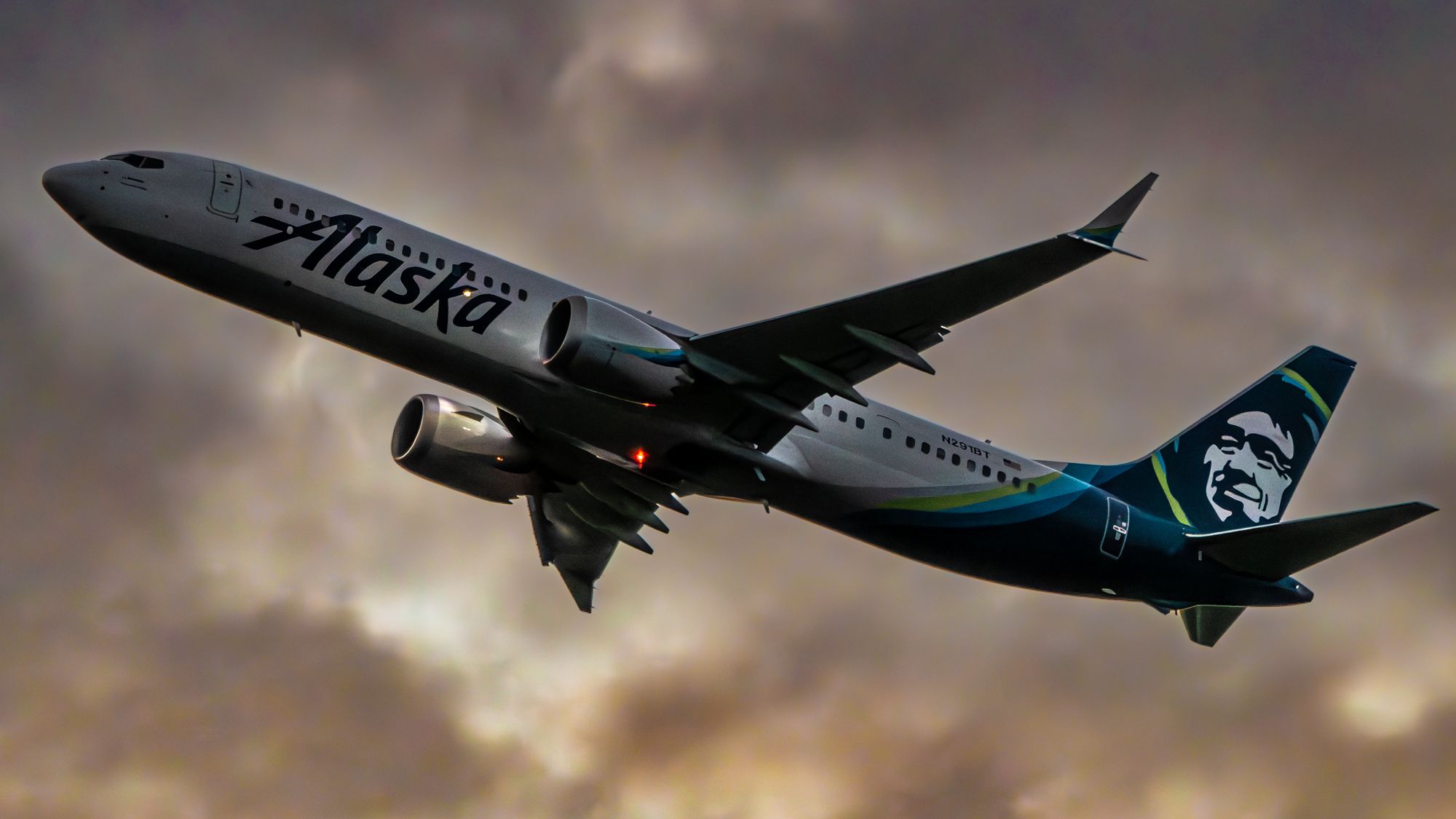
Boeing Omitted Information About Cockpit Door And Cabin Depressurization From 737 MAX Manual
Pilots and flight attendants were confused as to why the cockpit doors opened during the rapid depressurization on Alaska Airlines flight AS 1282.
 simpleflying.com
This is really bad PR for Boeing, many will point at the similarities to Boeing omitting MCAS from manuals prior to the MAX grounding of 2019 and 2020.

bahnause
Member
All the other exit and cargo doors on the 737 open ouotwards. So do most doors on every aircarft, Boeing, Airbus, Embraer, Bombardier... The lid of my pressure cooker is attached from the outside. Everything a desing flaw?
Bletchleyite
Veteran Member
All the other exit and cargo doors on the 737 open ouotwards. So do most doors on every aircarft, Boeing, Airbus, Embraer, Bombardier... The lid of my pressure cooker is attached from the outside. Everything a desing flaw?
Cargo doors often do, as do Boeing overwings (but not Airbus ones) but main exit doors don't. They open inwards in some form first (Airbus by way of top and bottom flaps, Boeing by way of the whole door being "bendy") and then outwards.
- Status
- Not open for further replies.