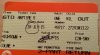
Actually, you've demonstrated that for two straight single journeys the price is the same as the return. But if the passenger wanted to break their journey, would it still be the same if one of the journeys had to be split into two separate single tickets?
I totally understand your example, but the usage of these tickets for that purpose versus the abuse of the tickets I would suggest is a heavily weighed equation in favour of the latter.
I have never been asked for one of these tickets so somebody can use it like that.
The facility to break the journey makes perfect sense for long journeys where there may have to be a break due to lack of available trains in a 24 hour period to complete the journey, but I very much doubt the principle in the beginning was to cater for circumstances such as the one you raise. It's just that you could do that.
Incidentally, if the passenger made the journeys you mention and all in the peak, the fares would £4.50+£2.20+£3.50. £1.20 more than the SOR. If some of the journeys were Off Peak, the total would actually come to less than the SOR, which is often the case and actually leads to passengers wasting money on these tickets.
When you balance that against the potential to defraud the railway, and again I have seen the evidence myself, I think a decision needs to be made.
When it comes to the marking of the ticket I simply ask the passenger how far they are travelling today and mark the ticket accordingly, I don't scribble the date out unless I know they are completing their journey on my train. That is exactly what we are instructed to do.