
• Our new ticketing site is now live! Using either this or the original site (both powered by TrainSplit) helps support the running of the forum with every ticket purchase! Find out more and ask any questions/give us feedback in this thread!

Why did the UK not pursue double deck trains?

Status
Not open for further replies.

Gostav

Member
Joined
14 May 2016
Messages
541
There were a kind of double-decker train operated by Japanese private railway: the Kintetsu Railway 20100 series, which had 2,800 mm wide and 4,065 mm high. Judging from the technical specifications alone, this double decker train should be also fit with UK railways.

オリジナルのアップロード者は日本語版ウィキペディアのJr223さん - ja:ファイル:Kintetsu-20100.JPG, パブリック・ドメイン, https://commons.wikimedia.org/w/index.php?curid=54754177による
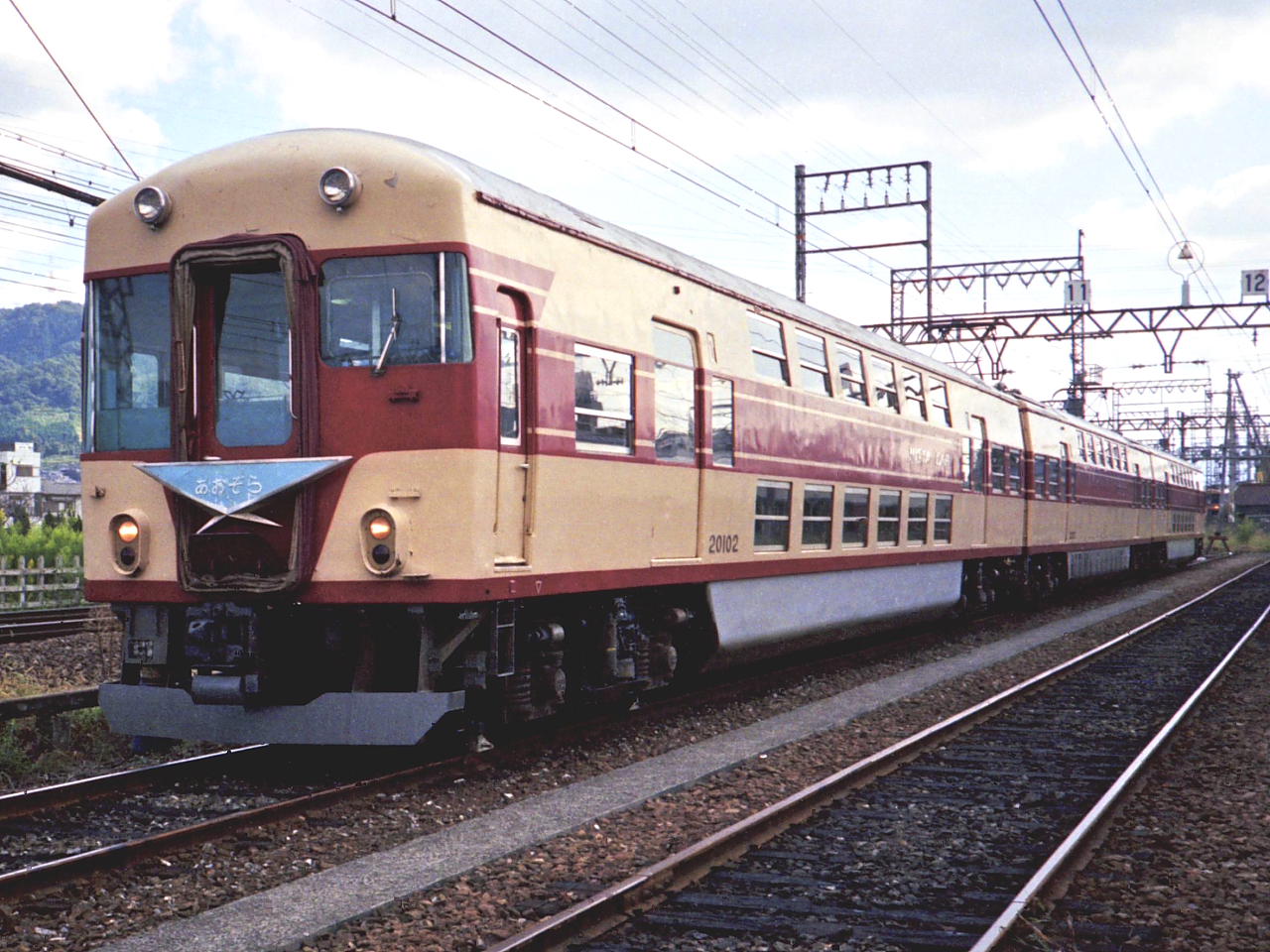
Kintetsu-20100-no6.jpg
 
Sponsor Post - registered members do not see these adverts; click here to register, or click here to log in
R

RailUK Forums

zwk500

Veteran Member
Joined
20 Jan 2020
Messages
18,635
Location
Northampton
There were a kind of double-decker train operated by Japanese private railway: the Kintetsu Railway 20100 series, which had 2,800 mm wide and 4,065 mm high. Judging from the technical specifications alone, this double decker train should be also fit with UK railways.
Max UK carriage crown height at centreline is 3,910mm (see: http://www.trainweb.org/train-research/loading_gauges/c1/c1.html, link to the C1 Loading Gauge Profile). The max width is not the problem, but the width below platform level, which means the lower deck would need to be a lot narrower.
 

Gostav

Member
Joined
14 May 2016
Messages
541
Max UK carriage crown height at centreline is 3,910mm (see: http://www.trainweb.org/train-research/loading_gauges/c1/c1.html, link to the C1 Loading Gauge Profile). The max width is not the problem, but the width below platform level, which means the lower deck would need to be a lot narrower.
That is similar in Japan, l didn't find the loading gauge standard for Kintetsu Railway but should same with that diagram from Wiki. Blue part means "Local railway construction regulations" enlaced in 1919 and Railway construction regulations" enlaced in 1910, grey part means "Rules of ordinary railway structure" enlaced in 1987. All have narrow limits from below the platform part.
 

30907

Veteran Member
Joined
30 Sep 2012
Messages
21,985
Location
Airedale
ISTR the timetabling carefully avoided the height of the peak :)
And checking the 1963 workings (peak direction):
6.57 Dartford via Sidcup to CHX 7.41
8.26 Crayford ditto to CST 9.2
3.27 CST Dartford via Sidcup
5.23 CST Slade Gr via Bexleyheath
7.7 CST Dartford ditto
So only one high peak out of 5.
 

Deepgreen

Established Member
Joined
12 Jun 2013
Messages
7,488
Location
Gomshall, Surrey
I’m assuming this photo is genuine - apparently at London Charing Cross in the late 1940s.

Given some infrastructure on certain routes appears to have been able to cope at that time (bridges, tunnels etc) why do we not have these today?

View attachment 159687
Certainly genuine - Bulleid produced two 4 car DD units, which actually were more like one and a half decks. The upper areas had no ventilation and I can attest that they were stifling, as I was taken on a run on them in August 1971, their final year of operation, and even as a child I was boiling! They were generally used for peak hour workings only.

== Doublepost prevention - post automatically merged: ==

The 4DD has a chequered history (and yes the photo is genuine). It wasn't really double-deck but as you can see from the photo a staggered arrangement. You'd have the upper passenger's feet between lower compartment's head height.
It didn't go anywhere because it was cramped, expensive to maintain and had low dwell times compared to a single deck train.
is a contemporary Pathe newsreel, and despite the optimistic tone, you can see the problems.
High dwell times...
 
Status
Not open for further replies.

Top