

-
Our new ticketing site is now live! Using either this or the original site (both powered by TrainSplit) helps support the running of the forum with every ticket purchase! Find out more and ask any questions/give us feedback in this thread!
You are using an out of date browser. It may not display this or other websites correctly.
You should upgrade or use an alternative browser.
You should upgrade or use an alternative browser.
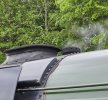
What is this on Tornado and Flying Scotsman?
- Thread starter ryan125hst
- Start date
Sponsor Post - registered members do not see these adverts; click here to register, or click here to log in
R
RailUK Forums
cadder toad
Member
- Joined
- 2 May 2015
- Messages
- 164
Snifting valve or anti vacuum valve for the superheater. It allows cool air into the superheated flues and stops the pistons drawing in smoke box ash when coasting. It shouldn't vent steam except maybe for an instant when the driver opens the regulator
I am sure this is an anti-vacuum (or snifter valve) as Cadder Toad mentioned above. They are described in "Handbook for Railway Steam Locomotive Enginemen" first published in 1957 by the British Transport Commission and reprinted several times in more recent years by Ian Allan. In the location seen on the OP's picture it is close to the superheater 'header' where the air needed to be admitted.
They were normally open but closed by steam pressure when the regulator was opened. It is possible that if the regulator valve had a slight leak, steam could be issuing from this valve as there would be insufficient pressure to close it.
They were normally open but closed by steam pressure when the regulator was opened. It is possible that if the regulator valve had a slight leak, steam could be issuing from this valve as there would be insufficient pressure to close it.
SoI am sure this is an anti-vacuum (or snifter valve) as Cadder Toad mentioned above. They are described in "Handbook for Railway Steam Locomotive Enginemen" first published in 1957 by the British Transport Commission and reprinted several times in more recent years by Ian Allan. In the location seen on the OP's picture it is close to the superheater 'header' where the air needed to be admitted.
They were normally open but closed by steam pressure when the regulator was opened. It is possible that if the regulator valve had a slight leak, steam could be issuing from this valve as there would be insufficient pressure to close it.
is irrelevant? I watched Blue Peter for 5 minutes or so and it ran intermittently - which to me says Air-brake compressor - just like the underfloor compressors on the old Cl 304sSnifting valve or anti vacuum valve for the superheater. It allows cool air into the superheated flues and stops the pistons drawing in smoke box ash when coasting. It shouldn't vent steam except maybe for an instant when the driver opens the regulator
I don't know the detailed design of either engine enough to be certain. But it's in the right place for an 'anti-vacuum valve'.
I believe there's a Hayne's Manual for Tornado which might have the detail in of both what this valve is and whether there is any connection with the air-pump it has on board.
I believe there's a Hayne's Manual for Tornado which might have the detail in of both what this valve is and whether there is any connection with the air-pump it has on board.
ryan125hst
Established Member
Thanks all, I also posted my question on the GCR Facebook group and the general consensus is it's a Snifter Valve: https://en.wikipedia.org/wiki/Snifting_valve
I'm surprised I've not spotted it before to be honest.
It seems many steam locos have them but on some locos they are located close to the cylinders.Wikipedia said:A snifting valve (sometimes snifter valve) is an automatic anti-vacuum valve used in a steam locomotive when coasting.
I'm surprised I've not spotted it before to be honest.