The X38 Volvos were off for quite a while and they have settled down now so hopefully they can do the same.Just think. By Christmas, they might even get the ex Skylink 20 plated Enviros on the road. If they still work after sitting for so long. That would release the Twos Volvos to upgrade, by August. Trouble is ...there doesn't appear to be enough buses in service, to cover planned work.

-
Our new ticketing site is now live! Using either this or the original site (both powered by TrainSplit) helps support the running of the forum with every ticket purchase! Find out more and ask any questions/give us feedback in this thread!
You are using an out of date browser. It may not display this or other websites correctly.
You should upgrade or use an alternative browser.
You should upgrade or use an alternative browser.
Wellglade Group
- Thread starter 318266
- Start date
Sponsor Post - registered members do not see these adverts; click here to register, or click here to log in
R
RailUK Forums
SSmith2009
Member
Which christmas?Just think. By Christmas, they might even get the ex Skylink 20 plated Enviros on the road. If they still work after sitting for so long. That would release the Twos Volvos to upgrade, by August. Trouble is ...there doesn't appear to be enough buses in service, to cover planned work.

when the volvos are released off the two, I think they'd be best to only send half of them off for refresh, using the others on the sixes/spares with the sorry about my appearance vynils and as one returns a "spare" goes for its refresh and the returning one releases a branded versa to become a spare/sent for further use.
I'm sure they did something similar when TheVillager? was refreshed a few years back.

ceo of 741
On Moderation
That’s a good idea if you remember 726 came off the x38 and became dedicated to the keyworthWhich christmas?
when the volvos are released off the two, I think they'd be best to only send half of them off for refresh, using the others on the sixes/spares with the sorry about my appearance vynils and as one returns a "spare" goes for its refresh and the returning one releases a branded versa to become a spare/sent for further use.
I'm sure they did something similar when TheVillager? was refreshed a few years back.
The Comet had the volvos running in yellow for a bit after they came off the two. I think on the villager the 54 plates were just drip fed into service replacing a 03 plate.Which christmas?
when the volvos are released off the two, I think they'd be best to only send half of them off for refresh, using the others on the sixes/spares with the sorry about my appearance vynils and as one returns a "spare" goes for its refresh and the returning one releases a branded versa to become a spare/sent for further use.
I'm sure they did something similar when TheVillager? was refreshed a few years back.

YX73OUB
Member
2 for connect too allegedly
Pretty sure at least some of the 14 plate versas are intended for Notts & Derby
Trainman40083
Established Member
Could have them as the secret Sixes. The number of times Trentbarton say "we don't have enough spare buses to provide a service". It was said only yesterday when 491 broke down on the V3, and just a two hourly service provided.Which christmas?
when the volvos are released off the two, I think they'd be best to only send half of them off for refresh, using the others on the sixes/spares with the sorry about my appearance vynils and as one returns a "spare" goes for its refresh and the returning one releases a branded versa to become a spare/sent for further use.
I'm sure they did something similar when TheVillager? was refreshed a few years back.

MCR247
Established Member
- Joined
- 7 Nov 2008
- Messages
- 10,297
It really does baffle me how long they have batches out of service for before rebrands get launched. Especially when you’re able to run a full timetable due to bus shortages. Not a good look really

Agreed. In my opinion they should have drip fed the E200s into service on the Two much sooner allowing a head start for the cascade of Volvos onto the SixesIt really does baffle me how long they have batches out of service for before rebrands get launched. Especially when you’re able to run a full timetable due to bus shortages. Not a good look really
To see the Skylink get their new buses earlier in the summer but the Sixes not receive the Volvos until, potentially, Feb/March, is frankly crazy to me. Should the fleet cascade process take this long!?
Supposedly comet volvo 750 has been written off, was hit in the rear at around 40mph & seems to have sustained some quite harsh chassis damage (bus was stationary at the time)..
But given the recently failings from Derby depot it'll likely be comet down a bus each day, pretty much how swift can often be, same with V3 & the villager.
I dont have the knowledge on how to do it but surely a FOI request would really reveal the true extent of the state of Derbys operations, clearly its gone beyond driver issues & does genuinely need investigating.
But given the recently failings from Derby depot it'll likely be comet down a bus each day, pretty much how swift can often be, same with V3 & the villager.
I dont have the knowledge on how to do it but surely a FOI request would really reveal the true extent of the state of Derbys operations, clearly its gone beyond driver issues & does genuinely need investigating.
Trainman40083
Established Member
I think it is most unfair just to list those services, as having a bus down. The Allestree is usually 4 instead of 5, the Mickleover often 1 down, then there is the Sixes. That all said, 491 was on the 6.2 around 12.05. Clearly the failure on the V3 yesterday wasn't a big repair. Derby depot has Volvo 713 on the Allestree today. Yes, I did actually see it.Supposedly comet volvo 750 has been written off, was hit in the rear at around 40mph & seems to have sustained some quite harsh chassis damage (bus was stationary at the time)..
But given the recently failings from Derby depot it'll likely be comet down a bus each day, pretty much how swift can often be, same with V3 & the villager.
I dont have the knowledge on how to do it but surely a FOI request would really reveal the true extent of the state of Derbys operations, clearly its gone beyond driver issues & does genuinely need investigating.
Attachments
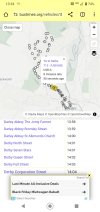
In honesty just listing them services was an error, as every derby route for the past 5 years has suffered massively, red arrow is probably the only route currently doing well, harlequin often struggles with 1 bus & as you mentioned Allestrees & Mickleovers are dropped far too often.I think it is most unfair just to list those services, as having a bus down. The Allestree is usually 4 instead of 5, the Mickleover often 1 down, then there is the Sixes. That all said, 491 was on the 6.2 around 12.05. Clearly the failure on the V3 yesterday wasn't a big repair. Derby depot has Volvo 713 on the Allestree today. Yes, I did actually see it.

Mr TrainGuy
Member
Nottingham really needs investigating if anything, I've been told 737's fire was their fault as they were meant to replace the alternator on 737 (which then disintegrated and caused the fire), to add the ever-increasing list of fires that are rooted to their depot. It's really not good that the general perception is that it's all the Derby drivers' faults, which isn't exactly helped why LM neglect their depot and don't provide them with sufficient supplies and vehicles!Supposedly comet volvo 750 has been written off, was hit in the rear at around 40mph & seems to have sustained some quite harsh chassis damage (bus was stationary at the time)..
But given the recently failings from Derby depot it'll likely be comet down a bus each day, pretty much how swift can often be, same with V3 & the villager.
I dont have the knowledge on how to do it but surely a FOI request would really reveal the true extent of the state of Derbys operations, clearly its gone beyond driver issues & does genuinely need investigating.
Honestly harlequin is irrelevant at this point... apparently there are plans to merge it with V3 at some point (don't ask me when, I may be wrong). Allestree and Mickleover can cope missing one bus, it's not as bad when one bus on an every 5-10 minute service is dropped, rather than an hourly one (e.g. comet).In honesty just listing them services was an error, as every derby route for the past 5 years has suffered massively, red arrow is probably the only route currently doing well, harlequin often struggles with 1 bus & as you mentioned Allestrees & Mickleovers are dropped far too often.
I think irrespective of what has or hasn't happened in regards to fires and missed journeys it's a bit unwise to point the finger and blame hardworking drivers and engineers when most of the comments in this thread is hearsay
May not of seen as it was on Nottingham city transport thread but they are now running the 90. Curious on if this will effect mainline then again that isn't anywhere as frequent.Nottingham City Transport are to run the 90 between Nottingham and Newark from February 2026 taking over from Central Connect. It'll run as a Pathfinder service.
Link: Announcement on NCT website
I'm wondering what they'll use? Maybe keep a couple of Solos for the time being and if it continues get more Yutongs?
Always made me thought though the mainline would be better running the 90 and 93 as they run similar ways to Bingham anyway, just needs buses extending out of bingham but then again mabey not enough profit in it for trent to justify a few extra buses idk?
Trainman40083
Established Member
The trouble is, once people perceive services are unreliable, they walk away and rarely return (well those who pay) Wilko found that out. That said, A garage at Derby looked cosy when I walked past. 742 seemed to be having an engine change. 839 never moves. But when I see a Solo on the Comet etc, I tend to think."Be lucky if it makes it".In honesty just listing them services was an error, as every derby route for the past 5 years has suffered massively, red arrow is probably the only route currently doing well, harlequin often struggles with 1 bus & as you mentioned Allestrees & Mickleovers are dropped far too often.
== Doublepost prevention - post automatically merged: ==
Now running the 90 FROM February 2026.May not of seen as it was on Nottingham city transport thread but they are now running the 90. Curious on if this will effect mainline then again that isn't anywhere as frequent.
Always made me thought though the mainline would be better running the 90 and 93 as they run similar ways to Bingham anyway, just needs buses extending out of bingham but then again mabey not enough profit in it for trent to justify a few extra buses idk?
Mr TrainGuy
Member
Too right, shame loads of people jump to conclusions! Everyone always blames engineering, but ultimately it will all be somewhat down to the decisions made in the head offices in Langley Mill, so it seems unfair pointing all the blame towards the engineers and drivers (as you say) who unfortunately have to soak up all the flack but have no ability to prevent the issues caused!I think irrespective of what has or hasn't happened in regards to fires and missed journeys it's a bit unwise to point the finger and blame hardworking drivers and engineers when most of the comments in this thread is hearsay
Shouldn't particularly affect them, when Marshalls and Central Connect have been operating it, I can't say I saw a dramatic reduction in passengers on the mainline, especially since that also passes through Radcliffe and West Bridgford!May not of seen as it was on Nottingham city transport thread but they are now running the 90. Curious on if this will effect mainline then again that isn't anywhere as frequent.
Always made me thought though the mainline would be better running the 90 and 93 as they run similar ways to Bingham anyway, just needs buses extending out of bingham but then again mabey not enough profit in it for trent to justify a few extra buses idk?
Trainman40083
Established Member
Having worked in the rail industry supply chain, I can understand why drivers get the flack (but it is wrong). The reason they do, is because they are normally the only customer representative the passenger sees. Much like the train manager , or in my previous role, the guy delivering the material. I see the problem at a far higher level. No idea where passenger levels are compared with pre COVID, but I would not be surprised at somewhere close to 80%. But costs will be at say, 130 to 140%. That seriously affects the ability of any business to resolve issues. Why did those former passengers walk away? How do they lead their lives now, if they don't use the bus? Very hard questions to answer. Some will travel by car, making congestion worse. Some may travel by train. Some will be working from home, shopping on line, locally, less frequent. Some will have found during COVID that they spend less, they can earn less, and achieve a better work life balance. I'd wager that that 80% of passengers are probably paying less (relatively) than they were, what with the bus cap/Government remuneration. I see efforts to attract new business, complaints about overcrowded/missing buses. You could say, if buses are overcrowded, should they have capped fares? So, what is the solution? Put fares up, other options come into play.Too right, shame loads of people jump to conclusions! Everyone always blames engineering, but ultimately it will all be somewhat down to the decisions made in the head offices in Langley Mill, so it seems unfair pointing all the blame towards the engineers and drivers (as you say) who unfortunately have to soak up all the flack but have no ability to prevent the issues caused!
Shouldn't particularly affect them, when Marshalls and Central Connect have been operating it, I can't say I saw a dramatic reduction in passengers on the mainline, especially since that also passes through Radcliffe and West Bridgford!
ceo of 741
On Moderation
It really couldn’t surprise me if 746 and 747 go back to comet they are doing terrible
Trainman40083
Established Member
Is there cover at Langley Mill for 746/747?It really couldn’t surprise me if 746 and 747 go back to comet they are doing terrible
Was there some problem with the V3s today (Tuesday) ? I was in Burton at 5.15pm and intended to get the 5.20 V3 to Derby. I thought it would be quicker than getting caught up in the horrendous tailbacks which the X38 is suffering with the A38 roadworks. The V3 never turned up.
It really is a bad show to miss out an hourly service like that, there were people wanting to get home to Repton and Willington, they would have had to wait over an hour for the next V3 at 6,25 - if indeed that ran too.
I managed to get an X38 at about 5.40 and from beginning my wait at Burton it took me an hour and a half to arrive in Derby.
It really is a bad show to miss out an hourly service like that, there were people wanting to get home to Repton and Willington, they would have had to wait over an hour for the next V3 at 6,25 - if indeed that ran too.
I managed to get an X38 at about 5.40 and from beginning my wait at Burton it took me an hour and a half to arrive in Derby.
callum3490
Member
Would make sense with the apparent desire to get rid of the solos2 for connect too allegedly
Bustimes.org shows 500 left at 1747 from Burton on the V3. The surrounding roads are suffering from the A38 lane closures as well particularly through Willington (V3) and Hatton on the villager where you can lose 20-30 mins in at peak times.Was there some problem with the V3s today (Tuesday) ? I was in Burton at 5.15pm and intended to get the 5.20 V3 to Derby. I thought it would be quicker than getting caught up in the horrendous tailbacks which the X38 is suffering with the A38 roadworks. The V3 never turned up.
It really is a bad show to miss out an hourly service like that, there were people wanting to get home to Repton and Willington, they would have had to wait over an hour for the next V3 at 6,25 - if indeed that ran too.
I managed to get an X38 at about 5.40 and from beginning my wait at Burton it took me an hour and a half to arrive in Derby.
Yes 713 was a very nice surprise for me today. Seemingly had a couple of trips on the Mickleover this evening as well.I think it is most unfair just to list those services, as having a bus down. The Allestree is usually 4 instead of 5, the Mickleover often 1 down, then there is the Sixes. That all said, 491 was on the 6.2 around 12.05. Clearly the failure on the V3 yesterday wasn't a big repair. Derby depot has Volvo 713 on the Allestree today. Yes, I did actually see it.

I think the Swift would need a bus also to replace 737. Are there any plans for a replacement vehicle for it at this moment in time?It really couldn’t surprise me if 746 and 747 go back to comet they are doing terrible
One bus to note, Volvo 724 hasn’t been out in nearly a month, not sure what’s happening with it. If there are plans, could this be a contender for replacing 737 on the Swift?

Who are you thinking of sending an FOI request to? These don't apply to commercial companies.Supposedly comet volvo 750 has been written off, was hit in the rear at around 40mph & seems to have sustained some quite harsh chassis damage (bus was stationary at the time)..
But given the recently failings from Derby depot it'll likely be comet down a bus each day, pretty much how swift can often be, same with V3 & the villager.
I dont have the knowledge on how to do it but surely a FOI request would really reveal the true extent of the state of Derbys operations, clearly its gone beyond driver issues & does genuinely need investigating.
callum3490
Member
Arguably red arrows are only doing well because its a brand new fleet and it has a dedicated branded spare. Prior to the upgrade it was suffering tooIn honesty just listing them services was an error, as every derby route for the past 5 years has suffered massively, red arrow is probably the only route currently doing well, harlequin often struggles with 1 bus & as you mentioned Allestrees & Mickleovers are dropped far too often.
Any route with brand new vehicles is bound to do well (even kinchs skylink fleet seem to be holding up well with the exception of 341).

That's had an RTC so would be off for repairs(even kinchs skylink fleet seem to be holding up well with the exception of 341).
175 could return and release one, when 174 came back to LM it released 811, so wouldn't be surprised if when 175 comes back it sees something transfer out of Langley Mill...Is there cover at Langley Mill for 746/747?
That's if it even goes back to Langley Mill. I personally would send it straight to Derby to give them something a bit more reliable175 could return and release one, when 174 came back to LM it released 811, so wouldn't be surprised if when 175 comes back it sees something transfer out of Langley Mill...
ceo of 741
On Moderation
I was wondering what happened with 724 I don’t see that getting replaced it might always stay a spare same as 725I think the Swift would need a bus also to replace 737. Are there any plans for a replacement vehicle for it at this moment in time?
One bus to note, Volvo 724 hasn’t been out in nearly a month, not sure what’s happening with it. If there are plans, could this be a contender for replacing 737 on the Swift?
Ah thanks, I did have a look on Bustimes when I got home but I find it difficult to follow their information sometimes.Bustimes.org shows 500 left at 1747 from Burton on the V3. The surrounding roads are suffering from the A38 lane closures as well particularly through Willington (V3) and Hatton on the villager where you can lose 20-30 mins in at peak times.
YX73OUB
Member
724 is in the ESU department at Langley Mill.I was wondering what happened with 724 I don’t see that getting replaced it might always stay a spare same as 725