I'm sure someone has already asked this, so feel free to direct me towards there if possible 
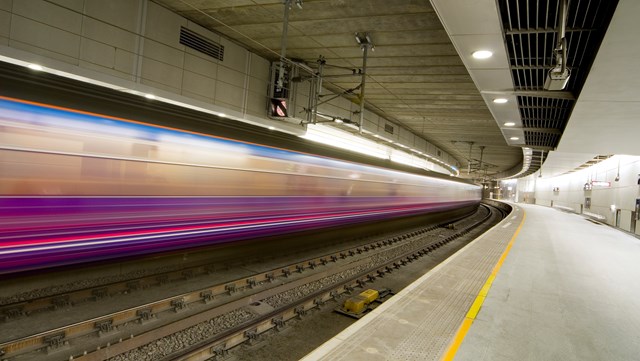
I was at St Pancras Low Level yesterday for the first time in a while, and noticed that rather than having overhead wires, the pantograph was getting its current from some kind of bar suspended from the ceiling. I'm not sure how new this is, but I can say it was changed from usual methods some time between 2007 and 2017.
Here are some images:
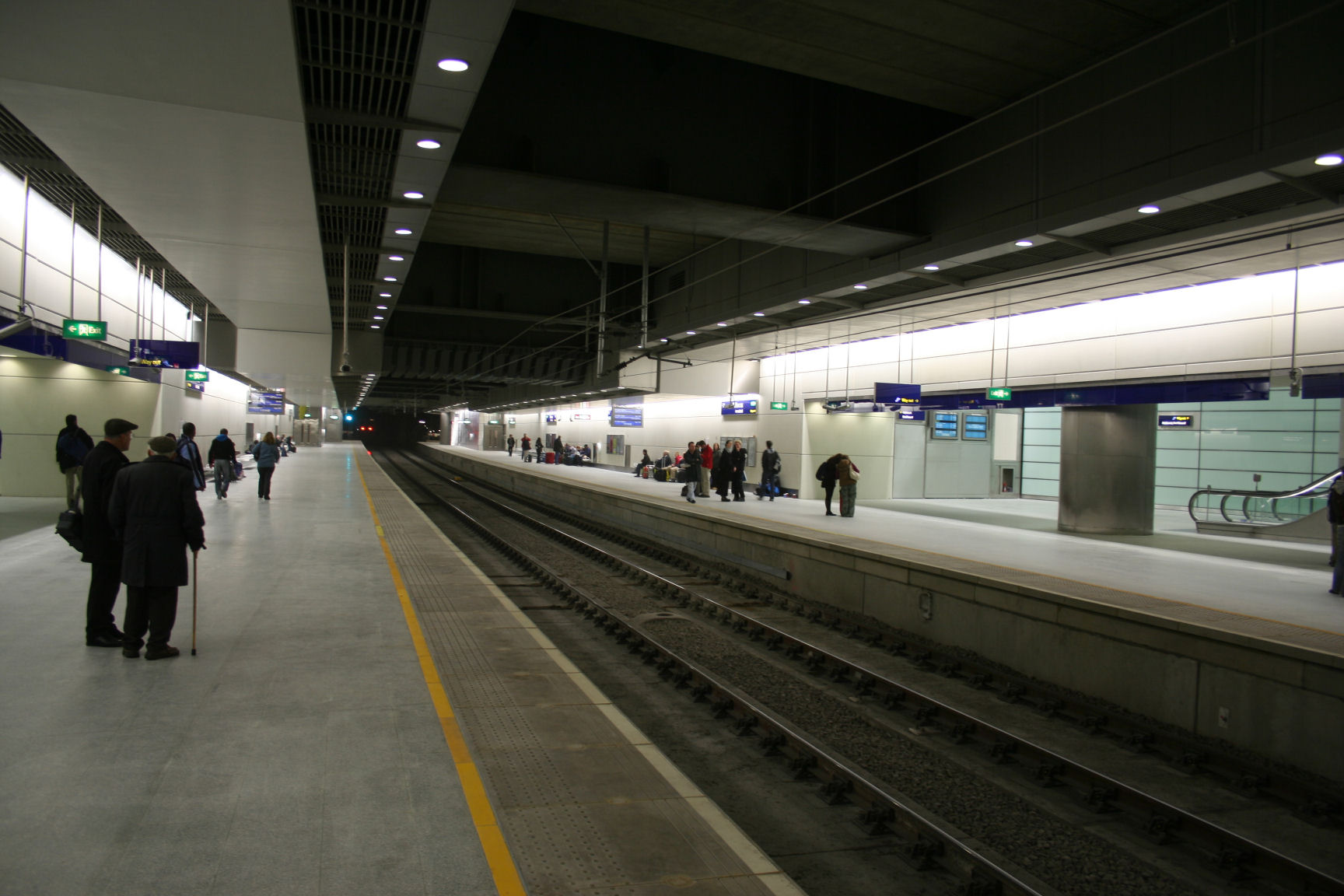
Figure 1: St Pancras Low Level in 2007. We can see here that the OHLE is the same as the rest of the 25kV network - copper wires suspended from the celling of the station box.

Figure 2: The platforms in 2013. It's quite difficult to make out what is going on from this photo as the angle makes it hard to discern from the equipment from each of the tracks.

Figure 3: This was taken in 2017 but is identical to how it was yesterday, so interpret it as the modern design. Now there is the bar and almost no other wiring.
I was wondering why the (copper?) wires were replaced with a (steel?) bar? I can't think why it's worth it, although I was wondering if the more stable climate underground means the wires don't have to be kept taught by the catenaries, so that could be a factor. It also reminded me of some metro systems where they have a DC 3rd rail suspended in the air rather than as a third rail, which looks quite similar to this but could be a co-incidence.
Anyone that knows why it's like this or could direct me to an already-existent answer would be a star!
I was at St Pancras Low Level yesterday for the first time in a while, and noticed that rather than having overhead wires, the pantograph was getting its current from some kind of bar suspended from the ceiling. I'm not sure how new this is, but I can say it was changed from usual methods some time between 2007 and 2017.
Here are some images:
Figure 1: St Pancras Low Level in 2007. We can see here that the OHLE is the same as the rest of the 25kV network - copper wires suspended from the celling of the station box.
Figure 2: The platforms in 2013. It's quite difficult to make out what is going on from this photo as the angle makes it hard to discern from the equipment from each of the tracks.
Figure 3: This was taken in 2017 but is identical to how it was yesterday, so interpret it as the modern design. Now there is the bar and almost no other wiring.
I was wondering why the (copper?) wires were replaced with a (steel?) bar? I can't think why it's worth it, although I was wondering if the more stable climate underground means the wires don't have to be kept taught by the catenaries, so that could be a factor. It also reminded me of some metro systems where they have a DC 3rd rail suspended in the air rather than as a third rail, which looks quite similar to this but could be a co-incidence.
Anyone that knows why it's like this or could direct me to an already-existent answer would be a star!