Fastlane256
Member
SWR have pretty bad performance figures. They had a 18% OT score for Windsor lines.Why? There's nothing wrong with SWR.
Obviously the 701s are late, but Bombardier/Alstoms poor build is nothing to do with SWR

SWR have pretty bad performance figures. They had a 18% OT score for Windsor lines.Why? There's nothing wrong with SWR.
Obviously the 701s are late, but Bombardier/Alstoms poor build is nothing to do with SWR

Dare I say that the travelling public won’t be too interested in what sort of contract these commitments were made under? They will just know that at some point, a promise of x was made, that remains unfulfilled.Because the franchise commitments have no relevance as they are for a contract that has been long since terminated, you are talking about commitments from a previous contract.
That’s the same as saying LNER haven’t fulfilled the commitment to run 3tph to Leeds because the previous contract said it would!

Care to elaborate?Another poor take by Wolmar.

Trying to be slightly positive, South Pennine is possibly doing a little better at present (famous last words). 6 cars a bit lacking but seemingly only 2 of the supposedly hourly westbound trains missing today and one is not in the current timetable.See
Showing the cancelled services.Realtime Trains | Departures from Leeds between 1630 and 1830 on 11/05/2023
Train information at Leeds between 1630 and 1830 on 11/05/2023. From Realtime Trains, an independent source of train running info for Great Britain.www.realtimetrains.co.uk
Yet it made more money for the Treasury than both the preceding and subsequent private sector operators.East Coast didn’t have to worry about profits, so it was much easier for them than any private TOC
Transport isn't a monopoly there are plenty of alternatives to rail.Care to elaborate?
I think he is spot on. “Private sector efficiency” is a fallacy. It is particularly a fallacy where there is a natural monopoly.
I'd agree with that particularly if GBR turns out to be purely a renamed Network Rail. As currently proposed I can't see GBR being a sucess.On top of that, GBR’s “guiding mind” will ensure that there is no scope for any sort of innovation, no matter how trivial or minor.
Would it be cheaper in house? What is to stop the in house operator from becoming bloated and bureaucratic? What incentive is there for a proper level of service?So effectively we will be paying hefty management contracts to private companies to supply services that would be supplied cheaper in-house. As everything else would be identical- staff, operational management, rolling stock- we’d at least save the hefty management fees by employing directly.
That is purely dependant on how the system is structured.I really don’t see how the DfT buying a dog then barking themselves is a good use of money.
No there isn’t. Not in any meaningful sense.Transport isn't a monopoly there are plenty of alternatives to rail.
Franchise procurement is *incredibly* bureaucratic. All those lawyers, compliance teams, procurement specialists, they don’t come cheap. And the bidders’ costs of the same are priced into their fees. And the losers’ costs are priced into their next bid.Would it be cheaper in house? What is to stop the in house operator from becoming bloated and bureaucratic? What incentive is there for a proper level of service?
Commuting into London isn't representative of transport in general and even if it was it doesn't negate a properly regulated private operator.No there isn’t. Not in any meaningful sense.
I mean, yes, technically I could cycle the 30 miles from Hemel Hempstead to London, or walk, or take a hot air balloon, or sit in a traffic jam for three hours in Edgware. But realistically, no.
It’s like saying water isn’t a monopoly because you can always go and wash yourself in a river.
It did become incredibly bureaucratic as rail became so successful. The Dft and the Treasury became too greedy for revenue and too risk averse to loosing said revenue. Even so the bidding costs weren't excessive for the billion pounds of turnover and revenues concerned.Franchise procurement is *incredibly* bureaucratic. All those lawyers, compliance teams, procurement specialists, they don’t come cheap. And the bidders’ costs of the same are priced into their fees. And the losers’ costs are priced into their next bid.
Not to mention the costs if a mistake is made- how much did the 2015 SNAFU on the West Coast franchise tender cost again?
To run a proper service delay attribution would always be required. How do improve the service if you don't know what's causing the delays?And then compliance. All those delay attribution teams. Making sure franchises are paying what they should, doing what they should. You get a huge compliance team to manage it. The operator has one too- priced into their management fee.
Not it wasn't. But what's currently proposed is some bloated hybrid of NR and DfT Rail Div with a 'snazzy' GBR flag logo on the door.Tell me with a straight face that the BR model was “bloated” by comparison.
No, doing a tender properly is time-consuming, bureaucratic and expensive. The DfT learned this the hard way by doing it badly and finding out doing it badly is equally expensive.It did become incredibly bureaucratic as rail became so successful. The Dft and the Treasury became too greedy for revenue and too risk averse to loosing said revenue. Even so the bidding costs weren't excessive for the billion pounds of turnover and revenues concerned.
Proper regulation is expensive. Proper regulation is time-consuming and bureaucratic, because any decision to sanction has to be water-tight and will be picked apart at length by lawyers. And I mean picked-apart.Commuting into London isn't representative of transport in general and even if it was it doesn't negate a properly regulated private operator.
But what % of timetabled Cleethorpes trains actually operated all the way to Liverpool and vice versa?It did not stop them with their timetable changes into Liverpool last December were we gained additional through to Hull and Cleethorpes.
Relatively it wouldn't make much difference it is mall change. Back in 2014 the TOCs were taking £9.6bn of income mainly from fares and paying DfT £2bn of premium payments.No, doing a tender properly is time-consuming, bureaucratic and expensive. The DfT learned this the hard way by doing it badly and finding out doing it badly is equally expensive.
The 2012 balls-up cost £40m. That was reimbursement of costs, nothing more, so it’s fair to assume *every* tender costs in the region of that much. Some are obvious costs, such as civil servant wages, others are hidden by being priced into bids.
Imagine what £20m-£40m would do to improve industrial relations at TPE, or Avanti.
There are plenty of places where there is a genuine market that's why only 10% of the public, to borrow someone's misused statistic, use rail.Proper regulation is expensive. Proper regulation is time-consuming and bureaucratic, because any decision to sanction has to be water-tight and will be picked apart at length by lawyers. And I mean picked-apart.
Where there’s a genuine market with genuine competition this is one thing, but where there isn’t a genuine market (no, “the car” and “the bus” doesn’t make rail a genuine market) then the whole thing makes no sense.

Dare I say that the travelling public won’t be too interested in what sort of contract these commitments were made under? They will just know that at some point, a promise of x was made, that remains unfulfilled.
Not very many going west, see Recent TrainTimes for last 3 months; https://www.recenttraintimes.co.uk/...&MetAvg=Mea&MetSpr=RT&MxScDu=&MxSvAg=&MnScCt=But what % of timetabled Cleethorpes trains actually operated all the way to Liverpool and vice versa?

sorry if answered but Go-Ahead group (owned by Govia)Who does southeastern?

Ah, also sometimes see Travel masters, Stagecoach and mainly regents coaches doing the busessorry if answered but Go-Ahead group (owned by Govia)
I thought that was OLR now.sorry if answered but Go-Ahead group (owned by Govia)

Southeastern is OLR, doesn’t exclude them having a contract with Go-Ahead for rail replacement vehicles though.I thought that was OLR now.
There are 16 traditional franchises in Britain. 16x£40m is £640m, every few years, and that was at 2012 prices. It’s about a third of the total premiums the Treasury received.Relatively it wouldn't make much difference it is mall change. Back in 2014 the TOCs were taking £9.6bn of income mainly from fares and paying DfT £2bn of premium payments.
Of course you will need delay attribution, BR had delay attributors (or their equivalent), but the present situation has, of course, bloated. It isn't just working out what caused a delay so recurring issues can be identified and solutions implemented but it's also about arguing who caused the delay because the person that did will be liable to make compensation payments between the effected operators, which means more lawyers, more compliance teams, more meetings, more oversight and on and on.To run a proper service delay attribution would always be required. How do improve the service if you don't know what's causing the delays?
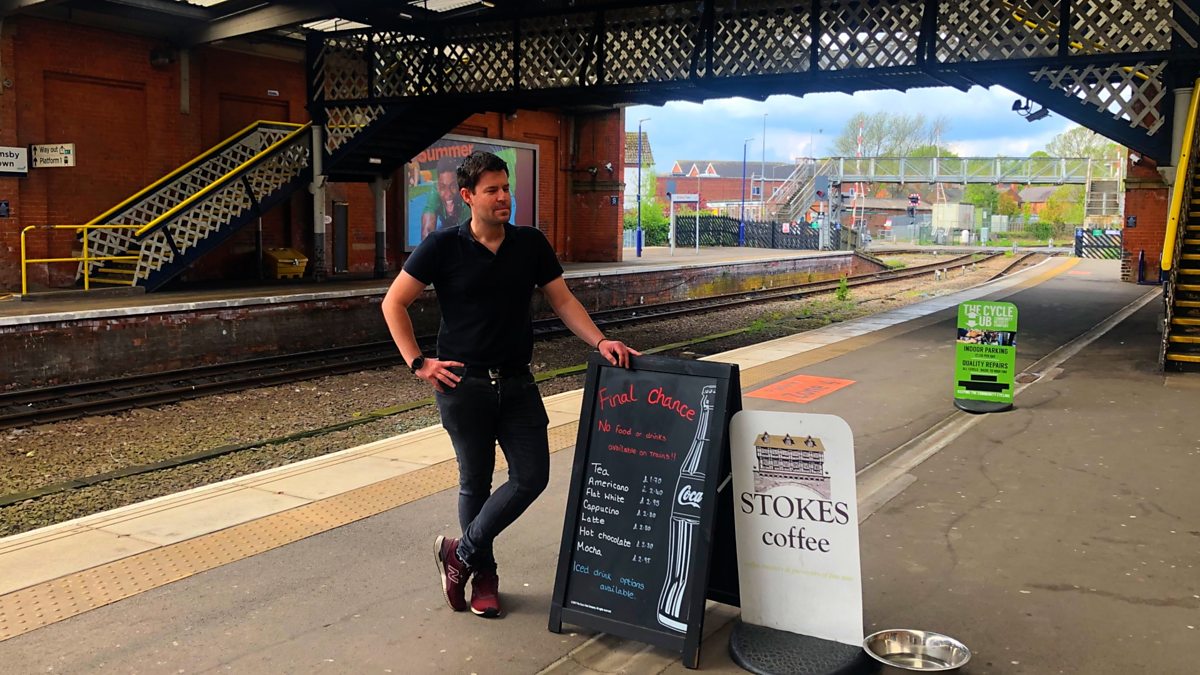
Yes but even the government announcement says that the problems weren't just down to First and will not be fixed simply by changing the ownership.Here’s an example of why, despite all the opportunistic politicking, I’m glad First have lost this contract. The knock on effects of not running a service have cost real people their livelihoods:
BBC Radio Humberside - David Burns, 11/05/2023, Station cafe forced to close due to train cancellations
Mark runs the station cafe at Grimsby Town train stationwww.bbc.co.uk

Care to elaborate?
I think he is spot on. “Private sector efficiency” is a fallacy. It is particularly a fallacy where there is a natural monopoly.
The chances of the service improving just because it's gone into OLR are very slim in the short termHere’s an example of why, despite all the opportunistic politicking, I’m glad First have lost this contract. The knock on effects of not running a service have cost real people their livelihoods:
BBC Radio Humberside - David Burns, 11/05/2023, Station cafe forced to close due to train cancellations
Mark runs the station cafe at Grimsby Town train station
Same old, same old. Structural reform is needed. Changing a TOC doesn't really do much at all, as shown by the fact lots of people including me are confused about who is actually "running" (really just owning) a particular TOC at the time.
I think people only care about who owns and runs a particular TOC when things go wrong, when trains run late or not at all, when people need to claim redress or know whom to blame. You're right that if trains run as advertised and generally on-time it's much less important. However there are still plenty of people who think Virgin run the trains between Manchester and London so they might be the exception.Dare I suggest that most people couldn't give a toss about who owns or runs a particular TOC at any given time. What people do care about is that trains run as per the timetable and are clean, comfortable and affordable. What colour they are and so on is rather irrelevant.
I think people only care about who owns and runs a particular TOC when things go wrong, when trains run late or not at all, when people need to claim redress or know whom to blame.
I wonder how they would change the delay repay threshold.The FAQs on the TPE are laughable.
Has "Can I still bring my bike?" ever been asked about the OLR taking over any failed franchise?

I wonder how they would change the delay repay threshold. First Group ToCs except open accesses compensate 15-29 minutes delay while OLR start to compensate from 30 minutes. I am curious if the new OLR will change it, or when.
