Whilst good in principle, the headway system doesn’t work very well in practice.
If a bus has a problem (anything from a slow stop due to using wheelchair ramp, to an engine problem causing delay), then the following bus is held, that in turn causes bus behind that to also get regulated, and next bus in turn etc. If it happens near the end of a route (and some stands have capacity limits so regulating one stop before end is quite common) then can get multiple buses being held, in some cases upto a dozen might be regulated due to one bus delayed.
So all the passengers on the regulated buses, and everyone waiting at a stop for the held buses gets delayed. Might avoid the 2 buses together but at cost of slower journeys. And generally slower journeys discourage bus use which is a big negative when trying to get passenger numbers back to pre pandemic levels.
This is what happens on the Birmingham Outer Circle route.
There are various timing points along the route where buses wait if they are early, but despite that you regularly get gaps of 20 minutes (on a service that is supposed to be every 7/8 minutes) and then 2 or 3 buses turn up all at the same time.
So I think regulation of bus services can work, but over long routes or where there are difficult traffic conditions, it tends to break down after a while.
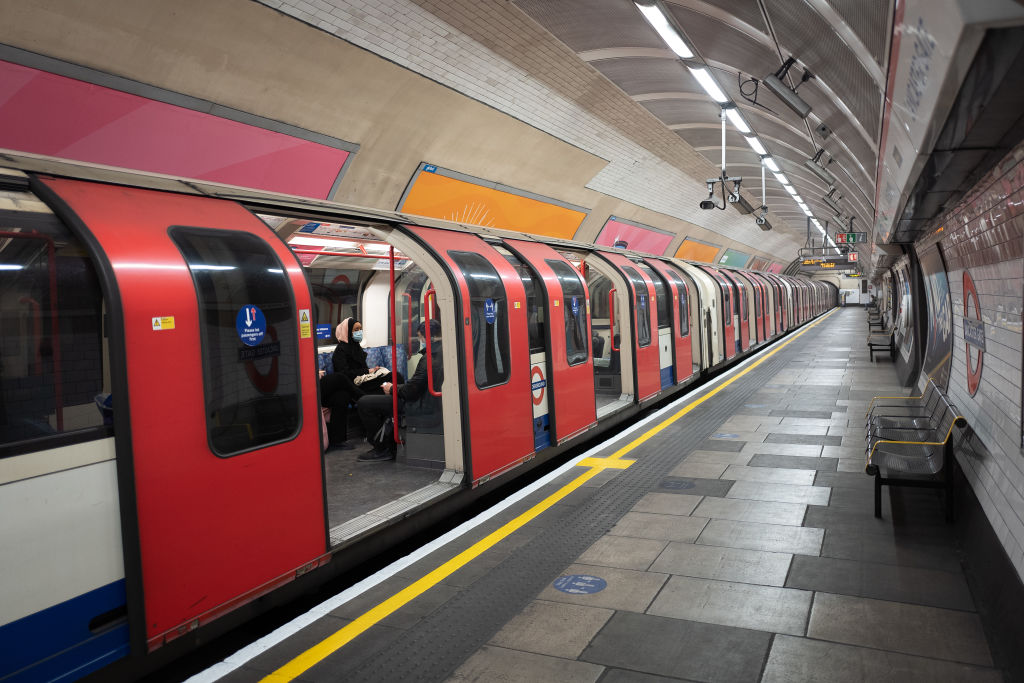
Regulation of services also happens on the tube.
When I lived in London, there was many a time a Northbound Victoria Line train would wait at Seven Sisters until the correct time to leave, which nine times out of ten was when another Northbound train had just terminated in the opposite platform. The drivers had it down to a fine art to know exactly when to close the doors just as people were running through the passage to catch the Walthamstow train.
A similar thing used to happen at Finsbury Park with the Piccadilly Line/Victoria Line interchange.