
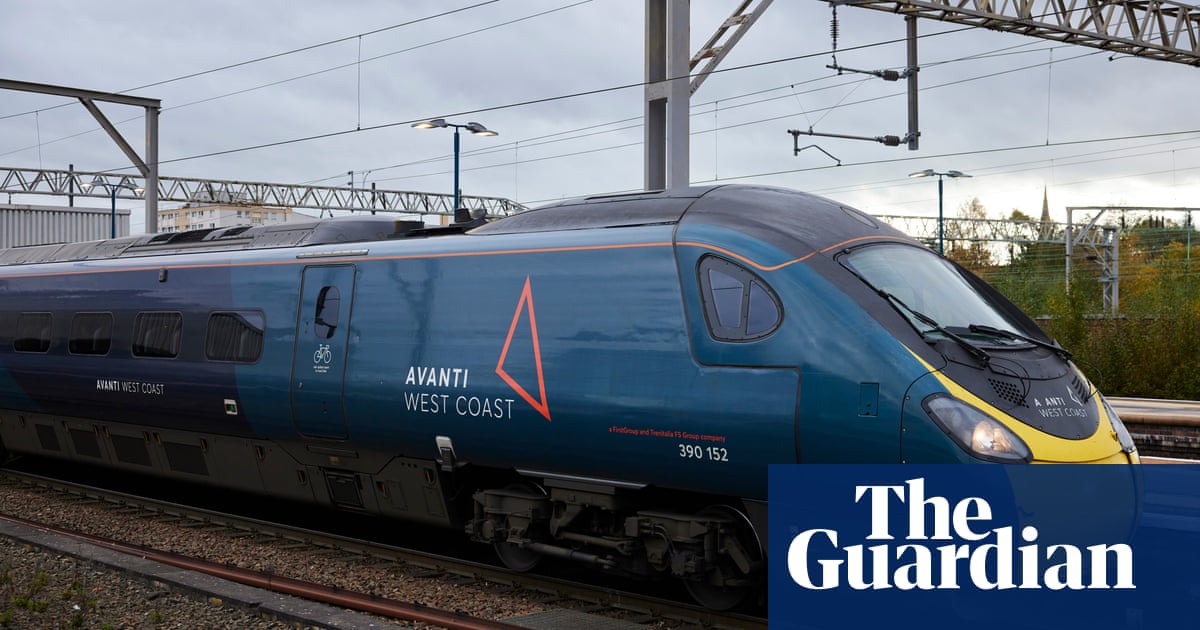
Rail electrification plans fall far short of UK net zero targets, data shows
Figures obtained by Lib Dems reveal need for eightfold increase to reach greenhouse gas emissions goal by 2050
 www.theguardian.com
The lack of a planned program for electrification remains a serious issue. Hopes that batteries will be the saviour mean nothing without actual plans for their implementation.Figures obtained by Lib Dems reveal need for eightfold increase to reach greenhouse gas emissions goal by 2050
Plans to electrify the UK’s railways are running so far short of what is needed that it would take 240 years at current rates to reach the net zero goal, data has shown.
Over the next three years, to the end of 2025, the UK is set to electrify 162.5km (101 miles) of railway track, which is only about 12% of what is estimated to be needed over that period to be in line with the goal of reaching net zero greenhouse gas emissions by 2050.
To meet the UK’s net zero commitments, estimates show that 448km a year of rail must be electrified. Current plans would need to be increased eightfold to meet that target.
The figures, obtained through a freedom of information request by the Liberal Democrats, mark a continuation of the sluggish progress of rail electrification over the past eight years. Data from the House of Commons library, also commissioned by the Lib Dems, shows that between 2015 and 2022 the UK only once, in 2019, met the target of 448km a year.
Last year, only 2.2km of track was electrified. The new East West Rail line, under construction and scheduled to come into use in 2025, is also not being electrified, which the Lib Dems said was a missed opportunity.
The Lib Dem findings show that in 2022-23 the main electrification project was the Barking Riverside line, of which only 2.5 miles were electrified, and in 2024-25 about 13, 38.5 and 47 miles of electrification are planned on the Wigan Bolton, TransPennine and Midland mainline routes respectively.
Network Rail has said that about 13,000km of track must be electrified to meet the 2050 target, but does not break this down by year. The Rail Industry Association has calculated, based on Network Rail’s estimates, that 448km of track must be electrified each year to fulfil the plans.


