Recently I noticed at Reading station the frankly appalling quality of the roof. It's leaking everywhere despite being a modern station. Completely unacceptable in my point of view. Obviously a systemic fault with the design of the stations roof.

-
Our new ticketing site is now live! Using either this or the original site (both powered by TrainSplit) helps support the running of the forum with every ticket purchase! Find out more and ask any questions/give us feedback in this thread!
You are using an out of date browser. It may not display this or other websites correctly.
You should upgrade or use an alternative browser.
You should upgrade or use an alternative browser.
Quality of new station constructions
- Thread starter ewsclass
- Start date
- Status
- Not open for further replies.
Sponsor Post - registered members do not see these adverts; click here to register, or click here to log in
R
RailUK Forums

A lot of the newer stations I've been at (Rochester, London Bridge, Reading, Bromsgrove) also really seem to channel the wind in a bracing manner. Must be something to do with the style of design.
London Bridge suffered on two counts - the loss of the roof over the southern platforms, and the Shard being built. Even on a relatively calm day the area at the foot of the shard can be a whirlwind.A lot of the newer stations I've been at (Rochester, London Bridge, Reading, Bromsgrove) also really seem to channel the wind in a bracing manner. Must be something to do with the style of design.
The south east platforms were always awful weather wise. They didn't feel quite as barren as they do now though.
I'm surprised that Network Rail haven't yet gone to the trouble of fixing the leaky areas. Hopefully it's not causing internal damage or long term corrosion.Recently I noticed at Reading station the frankly appalling quality of the roof. It's leaking everywhere despite being a modern station. Completely unacceptable in my point of view. Obviously a systemic fault with the design of the stations roof.
coppercapped
Established Member
Which roof are you talking about? The one over the 1989 station (where the ticket office is), the canopies along the platforms or the roof over the bridge?Recently I noticed at Reading station the frankly appalling quality of the roof. It's leaking everywhere despite being a modern station. Completely unacceptable in my point of view. Obviously a systemic fault with the design of the stations roof.
The latter has had problems with the rain getting in with any sort of wind since it was finished. This is largely due to the ventilation clerestories being open and not glazed — and this was necessary to avoid all sorts of significant extra costs due to fire regulations (extra emergency exits and so on and so forth) if the space was classified as enclosed.
There may well also be design and maintenance problems but I agree it's not really satisfactory.
The 1989 roof had some work done on it two or three years ago - so if that's leaking again I'd make a guarantee claim...!
Newport station in South Wales is also terrible. Both the roof of the new footbridge, and the old roof over Platforms 2/3 (which the majority of services use) leak like a sieve when raining. On the footbridge, you have to dodge the buckets on the floor collecting water.Recently I noticed at Reading station the frankly appalling quality of the roof. It's leaking everywhere despite being a modern station. Completely unacceptable in my point of view. Obviously a systemic fault with the design of the stations roof.
The canopies seem to be where the most problems are. Water dripping from around light fittings in some cases.Which roof are you talking about? The one over the 1989 station (where the ticket office is), the canopies along the platforms or the roof over the bridge?
The latter has had problems with the rain getting in with any sort of wind since it was finished. This is largely due to the ventilation clerestories being open and not glazed — and this was necessary to avoid all sorts of significant extra costs due to fire regulations (extra emergency exits and so on and so forth) if the space was classified as enclosed.
There may well also be design and maintenance problems but I agree it's not really satisfactory.
The 1989 roof had some work done on it two or three years ago - so if that's leaking again I'd make a guarantee claim...!

WesternBiker
Member
Agree fully there. The overall impression of the design is of it being cheap and nasty - even before the leaks.Newport station in South Wales is also terrible. Both the roof of the new footbridge, and the old roof over Platforms 2/3 (which the majority of services use) leak like a sieve when raining. On the footbridge, you have to dodge the buckets on the floor collecting water.
irish_rail
On Moderation
At Reading they got the track layout so right and yet the passenger bit so so wrong. The breezy footbridge and escalators are just baffling, why on earth at the very least the footbridge couldn't be properly enclosed to prevent the wind swirling through.
50 years ago, the wind used to whistle down platform 5 (as it was then) whilst waiting for the 7.32 to Paddington!!A lot of the newer stations I've been at (Rochester, London Bridge, Reading, Bromsgrove) also really seem to channel the wind in a bracing manner. Must be something to do with the style of design.
adamedwards
Member
- Joined
- 4 Apr 2016
- Messages
- 796
The Cambridge North footbridge on a wet and windy day is terrible as the glass walls only come to shoulder height and the wind and rain then gets in at head height creating major slip hazards. Poor!
coppercapped
Established Member
Regarding the footbridge ('transfer deck"), see my post #5 above for the reason it wasn't closed in.At Reading they got the track layout so right and yet the passenger bit so so wrong. The breezy footbridge and escalators are just baffling, why on earth at the very least the footbridge couldn't be properly enclosed to prevent the wind swirling through.

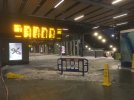
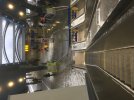
It’s interesting that this thread has popped up, and 3 key notable stations have been mentioned here (Newport, Reading and London Bridge), as they are all products of Grimshaws. As a former frequent user (and one time worker) at Reading Station, it really is an awful design and a pretty awful place to work. The aforementioned issues regarding the design of the transfer deck - which lets Snow and rain onto the bridge not only causes issues with the ‘indoor specification escalators’ (bought when they were due to be enclosed in glass from platform to bridge), but then makes the tiled floor upon the transfer deck incredibly slippery, resulting in it often being covered in additional mats. The section down from the deck to the new platform 7 entrance seems to have created a wind tunnel, and is often also subject to the issues above as well as it being often rather cold and blustery. The waiting spaces and waiting rooms itself aren’t that great either, being largely spread out at either end of the platforms, with the spaces under the deck feeling rather grim (even some improved lighting would have cheered this up), and as for the canopies themselves - an absolute rubbish piece of design. Flat roofed, central gutters do not work. In stormy weather, they are often overwhelmed, the angle and sheer narrowness of the canopy design offers little shelter, and they are usually either pretty filthy and covered in spiders webs or leaking through the panel joins.
As for the 1980s part of the station, there has at least been some improvements to here - the roof as highlighted above has been just about fixed, and the grotty, often frequented by the local users of Reading have at least been fully refurbished. But behind the scenes, that part of the station still suffers leaks (from both the ceilings and pipe work) and often, no hot water when the boiler packed up.
Of course, if you were lucky enough to work in the other (north) side of the station, that being a new build, was rather nice to work inside! Albeit as long as you didn’t mind the constant rumble of whatever was passing through platform 15!
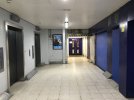
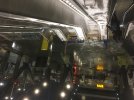
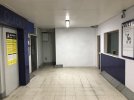
Oddly though, if you know where to look, you can still find a few small hints of the old station - the former northern entrance ticket office window located in the north side car park which once led to the large bridge spanning the station.
As for the 1980s part of the station, there has at least been some improvements to here - the roof as highlighted above has been just about fixed, and the grotty, often frequented by the local users of Reading have at least been fully refurbished. But behind the scenes, that part of the station still suffers leaks (from both the ceilings and pipe work) and often, no hot water when the boiler packed up.
Of course, if you were lucky enough to work in the other (north) side of the station, that being a new build, was rather nice to work inside! Albeit as long as you didn’t mind the constant rumble of whatever was passing through platform 15!
Oddly though, if you know where to look, you can still find a few small hints of the old station - the former northern entrance ticket office window located in the north side car park which once led to the large bridge spanning the station.
Attachments
-
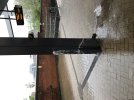 7555E8D0-807D-4C5F-8266-558806B72781.jpeg3 MB · Views: 72
 -
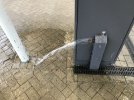 633ADC9D-0118-431B-B256-05C3FC698BA8.jpeg3.3 MB · Views: 70
 -
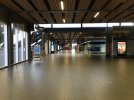 546E64A4-7EE9-48A1-96F0-CF9CEBAC90D9.jpeg2.3 MB · Views: 68
 -
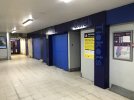 1BCFFB9D-0FB7-4750-BAA3-EEBBE1007222.jpeg2.1 MB · Views: 63
 -
 A6DD1C82-2A18-4A1D-8639-F546F2750FE4.jpeg2.2 MB · Views: 63
 -
 E38B1086-B51A-4D31-BB61-776B0C5C7BD6.jpeg1.9 MB · Views: 63
 -
 FEA2FFA4-44BA-417A-9D40-A8A844718139.jpeg2 MB · Views: 63
 -
 D93FE064-76E5-4AA6-805D-3307F640C07E.jpeg2.1 MB · Views: 63
 -
 065920F6-C852-432E-B783-8D072BE7D0FE.jpeg2 MB · Views: 62
 -
 88205C44-5ACB-476A-A630-B793A6E9B958.jpeg2.1 MB · Views: 65
- Status
- Not open for further replies.