Sun Chariot
Established Member
The early boxes show different thinking in "practical" ways to protect precious post from the elements and from thieves:
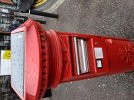
- vertical posting-aperture on the fluted styles (Warwick's box is on post 137),
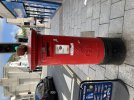
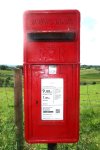
- hinged flap over the aperture, on the First National Standard design (on posts 275 and 299; also the now-removed flap on Brighton's, post 71).
The latter was likely more expensive and less sturdy, than the "peaked cap" casting we see on pillar boxes, wall boxes and lamp boxes. It seems a bit of a finger trap, which is why I am surprised - and very pleased - to see it still on the Worlds End First National Standard box.
EDIT: wall boxes tell a similar story...
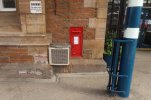
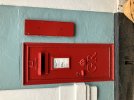
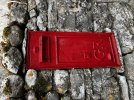
Compare three same-design VR wall boxes, seen on posts 1 (Gosport), 63 (Sidlesham) and 299 (Rudley Mill): you'll notice Gosport box still has its original protective flap located inside its posting-aperture. A finger-trap: it's likely why the flaps had been removed on the other wall boxes.
- vertical posting-aperture on the fluted styles (Warwick's box is on post 137),
- hinged flap over the aperture, on the First National Standard design (on posts 275 and 299; also the now-removed flap on Brighton's, post 71).
The latter was likely more expensive and less sturdy, than the "peaked cap" casting we see on pillar boxes, wall boxes and lamp boxes. It seems a bit of a finger trap, which is why I am surprised - and very pleased - to see it still on the Worlds End First National Standard box.
EDIT: wall boxes tell a similar story...
Compare three same-design VR wall boxes, seen on posts 1 (Gosport), 63 (Sidlesham) and 299 (Rudley Mill): you'll notice Gosport box still has its original protective flap located inside its posting-aperture. A finger-trap: it's likely why the flaps had been removed on the other wall boxes.
Last edited: