

-
Our new ticketing site is now live! Using either this or the original site (both powered by TrainSplit) helps support the running of the forum with every ticket purchase! Find out more and ask any questions/give us feedback in this thread!
You are using an out of date browser. It may not display this or other websites correctly.
You should upgrade or use an alternative browser.
You should upgrade or use an alternative browser.
Making a GSM-R DCP functional
- Thread starter thediamonder11
- Start date
- Status
- Not open for further replies.
Sponsor Post - registered members do not see these adverts; click here to register, or click here to log in
R
RailUK Forums
EverythingGoes
Member
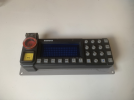
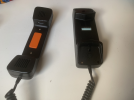
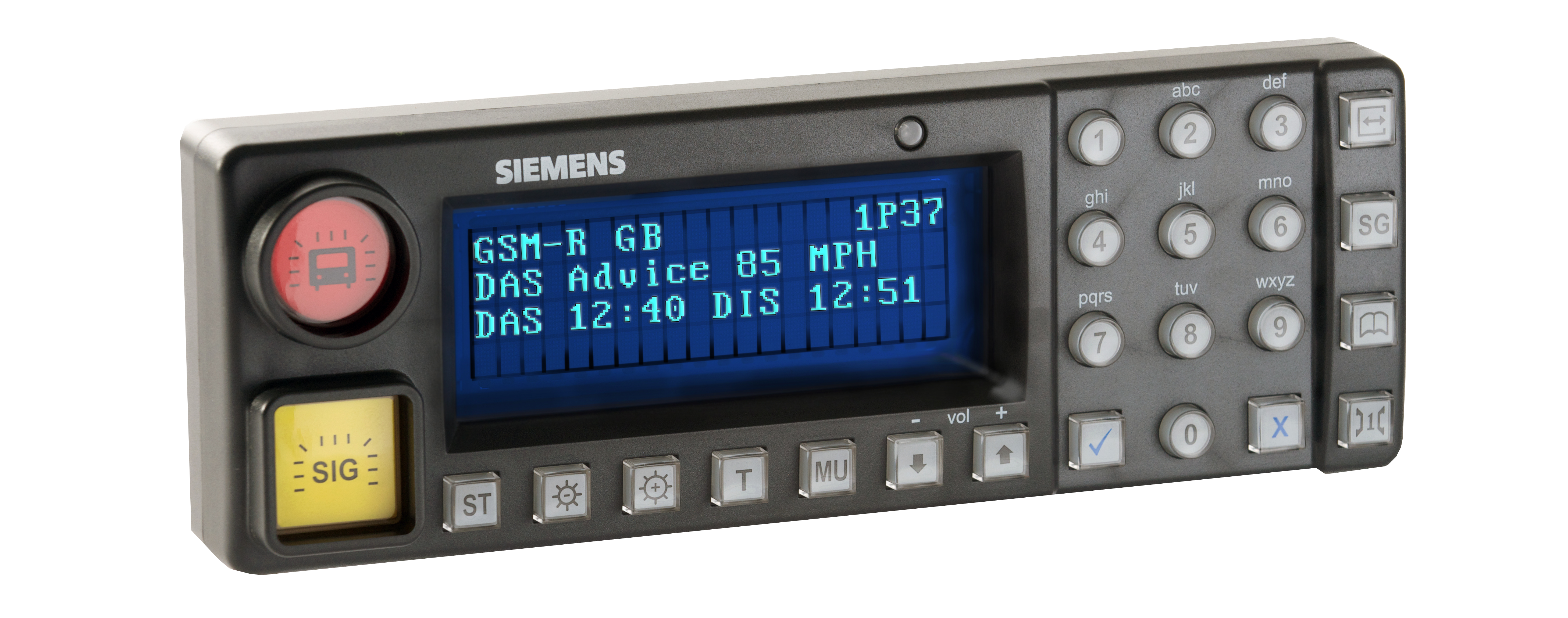
It looks display you have is simply a head unit that connects to the main transceiver, which is housed elsewhere on the train. I'm not sure if can work without it. This may be of some help?
 www.railengineer.co.uk
A Necessary GSM-R Mobile Upgrade - Rail Engineer
Listen to this article It is easy to forget that GSM-R, as the standardised track to train radio system across Europe, has been around for over 25 years. The agreement to use GSM technology rather than Tetra was arrived at back in 1992, with development work to produce the railways special...
www.railengineer.co.uk
I mean, probably yes.
Posting the other side to show the interface between the head unit and transceiver would be helpful.
It'll be difficult to reverse engineer the communication between the two without both halves, but probably not impossible. It's not something that'll be quick and it might be destructive.
Posting the other side to show the interface between the head unit and transceiver would be helpful.
It'll be difficult to reverse engineer the communication between the two without both halves, but probably not impossible. It's not something that'll be quick and it might be destructive.
EverythingGoes
Member
I mean, probably yes.
Posting the other side to show the interface between the head unit and transceiver would be helpful.
It'll be difficult to reverse engineer the communication between the two without both halves, but probably not impossible. It's not something that'll be quick and it might be destructive.
The best bet might be getting in touch with a local amateur radio club, there would certainly be someone who could advise or give hands on help.
EverythingGoes
Member
A quick follow up. Amateur radio club lists can be found here:

thediamonder11
Member
My main goal would probably be to get it to connect to my computer and simulate just the actions you can perform on the DCP (e.g registration)It looks display you have is simply a head unit that connects to the main transceiver, which is housed elsewhere on the train. I'm not sure if can work without it. This may be of some help?
A Necessary GSM-R Mobile Upgrade - Rail Engineer
Listen to this article It is easy to forget that GSM-R, as the standardised track to train radio system across Europe, has been around for over 25 years. The agreement to use GSM technology rather than Tetra was arrived at back in 1992, with development work to produce the railways special...
I hope I can do it in a way that doesn't permanently break or damage it.I mean, probably yes.
Posting the other side to show the interface between the head unit and transceiver would be helpful.
It'll be difficult to reverse engineer the communication between the two without both halves, but probably not impossible. It's not something that'll be quick and it might be destructive.
Sure; or a local hackspace. It needs someone with a logic analyzer who knows about electronics and has some time to spare. Alternatively, the OP could perhaps start researching the topic and give it a go themselveswith a local amateur radio club, there would certainly be someone who could advise or give hands on help.
 They may well be in range of a hackspace with useful equipment and people with knowledge who can give advice.
Sometimes physical disassembly is a necessity (to remove and dump any microcontrollers), especially if there isn't a working setup to reverse. You may have to accept that one needs to be sacrificed (at least visibly) to understand how the device works and write software to emulate whatever it's designed to talk to.hope I can do it in a way that doesn't permanently break or damage it.
I think that's quite an ambitious goal!My main goal would probably be to get it to connect to my computer and simulate just the actions you can perform on the DCP (e.g registration)
Fragezeichnen
Member
The best bet might be getting in touch with a local amateur radio club, there would certainly be someone who could advise or give hands on help.
A quick follow up. Amateur radio club lists can be found here:
Sorry, but this is not good advice.
The internal connection between a display unit and the radio itself has nothing do with radio at all, and an amateur radio club would be of no assistance. It would be like asking a TV aerial installer to fix your TV remote.
As mentioned this is merely a display unit and does not "know" anything about it's original purpose. To figure out the manufacturers proprietary internal communications would be a very difficult task requiring considerable time and skill.
The only realistic option is to remove the internal electronics and connect the buttons and display directly to your own microcontroller. This might involve replacing the display with an equivalent of the same size if you are unable to identify or find documentation for the existing one, or cannot source a display controller.
Last edited:
EverythingGoes
Member
Sorry, but this is not good advice.
The internal connection between a display unit and the radio itself has nothing do with radio at all, and an amateur radio club would be of no assistance. It would be like asking a TV aerial installer to fix your TV remote.
As mentioned this is merely a display unit and does not "know" anything about it's original purpose. To figure out the manufacturers proprietary internal communications would be a very difficult task requiring considerable time and skill.
The only realistic option is to remove the internal electronics and connect the buttons and display directly to your own microcontroller. This might involve replacing the display with an equivalent of the same size if you are unable to identify or find documentation for the existing one, or cannot source a display controller.
I think you have misunderstood what an amateur radio user does. It's much more than simply installing an antenna.
It's common to modify radios including the Philips FM1000 which was used in trains prior to GMSR for use on amateur radio frequencies.
Here is a discussion about amateurs modifying the Philips FM1000. It might be helpful?
- Status
- Not open for further replies.