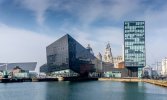
There was a really interesting and perceptive (well, I found it so) article by Simon Jenkins in the Guardian about a month ago, touching on what you can and can't do with existing cityscapes and what works for people and what doesn't:
https://www.theguardian.com/commentisfree/2021/jun/25/liverpool-unesco-status-waterfront-government. From it:
"Liverpool ... remains one of England’s finest cities, and was delighted to be justly recognised as such by Unesco in 2004. But for half a century its architectural personality had been abused, ever since the communist town planner
Graeme Shankland declared it “obsolete” and offered to rebuild it in the 1970s. He was duly commissioned to demolish two-thirds of the city centre for a maze of motorways, towers and slabs. He had barely started when the money ran out and Liverpool went into prolonged decline.
Since then, Liverpudlians and their friends have been at war with a demolition-obsessed council. Hundreds of acres of dignified inner suburbs have been flattened and still lie empty and derelict. Whole streets are boarded up. Council towers were erected and then pulled down as uninhabitable. The only booming sector has been student residences.
For all this, Liverpool’s capacity to rise from the ashes would always lie in its regeneration of the docks. There lay the ghosts of its greatness, as in the mighty Albert, Stanley and East Waterloo Docks and their quays, warehouses, portals and alleys. The challenge was to see them reborn as a focus of urbanity, creativity and leisure, like Bradford’s
Saltaire or the waterfronts at Bristol, Plymouth or Edinburgh’s Leith."
"This is not a matter simply of aesthetics. Respecting history is now recognised as holding the key to long-term urban renewal. Go to any battered British city centre – in Birmingham, Leeds, Manchester,
Liverpool – and the areas most buzzing with life are the few surviving historic neighbourhoods. They have a chemistry modern architecture seems unable to replicate. The model for Shankland’s
Liverpool was London’s Barbican, its acres often silent as the grave."
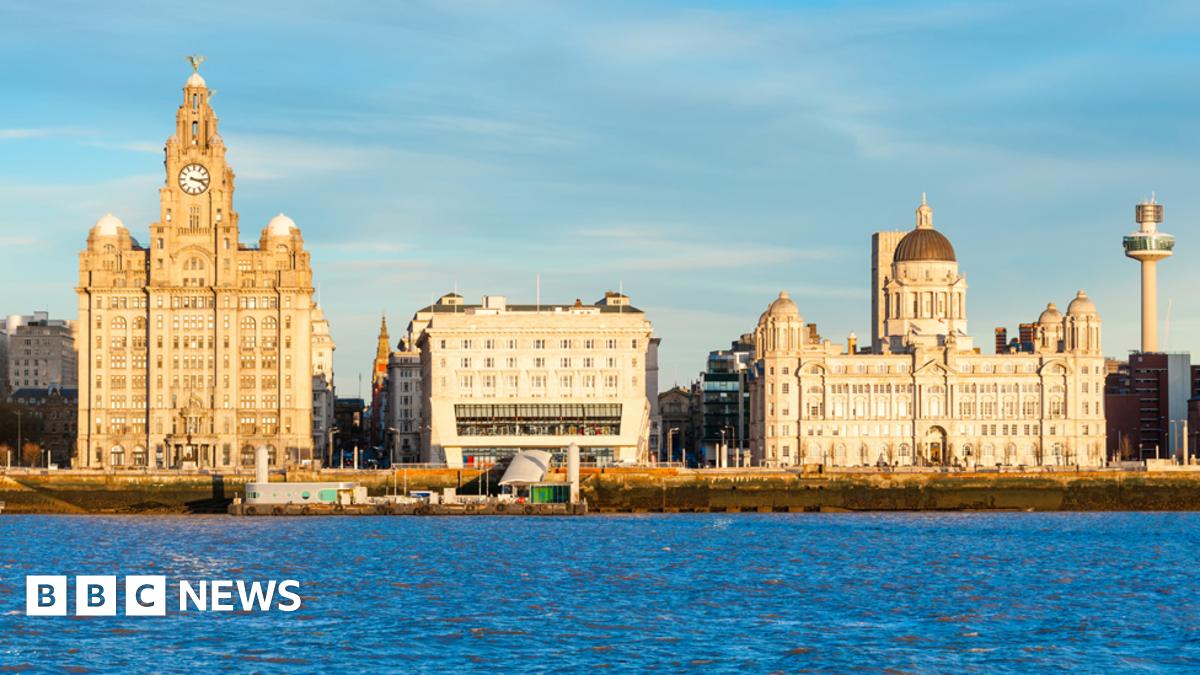
Liverpool was indeed the gem amongst England's great commercial/industrial cities, and remained so after most of the others had been spoilt by the modern development, whether of office buildings or of what was supposed to be the wonderful new housing (now so often already coming down again). What a tragedy to see it go the way of Birmingham and Manchester.


 www.bbc.co.uk