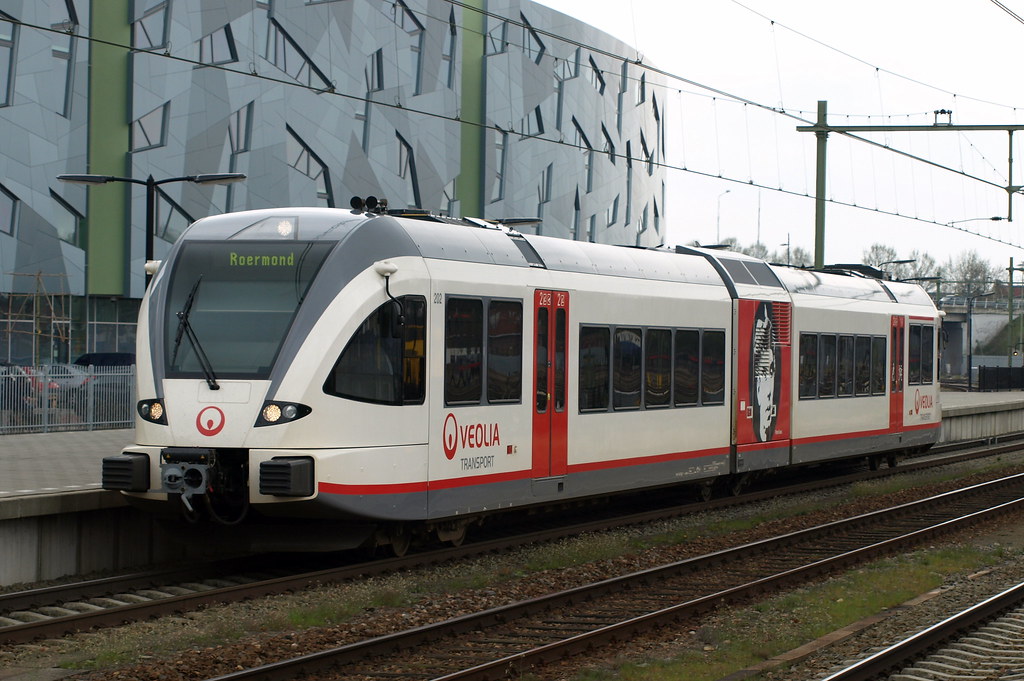
Power to weight ratio isn't an issue, as you could just as easily put higher powered engines under less coaches. The problem is the size of the engines to get that amount of power. The 750hp lumps on the 22Xs etc take up a lot of space, and require a higher floor to fit them under. They are needed on the 22Xs for 125mph running, and on the 185s for performance on the hilly bits, so it's worth it, but there would be no advantage to having a 3 car unit with only the outer coaches powered. You would also then have the unpowered trailer with all that wasted space underneath. Axle weight is an issue too. A more powerful engine means more weight, look at the weight of the 185s compared to the Turbostars. Overall weight might be the same, but the axle weight of the motor coaches will be higher, and that means higher track access charges and possible speed restrictions (185s can not use higher speeds for Sprinters due to weight) or even route restrictions. The unpowered trailer is lighter, but for what? Another thing is flexability. With engines under each coach you get roughly the same power-weight ratio and performance regardless of length, wheras if only some coaches are powered then changing the length will alter the power-weight ratio and performance. Adheasion is a factor to, especially for mechanical transmission as generally one engine powers one bogie, so whilst each coach on a DMU is powered, generally only half the bogies are powered. The only exceptions are the 22X DEMUs where all bogies are powered, but I think only the inner axle on each is powered.
When it comes to engines per coach in the UK, the twin power Class 101s had 2 engines per coach, giving 4 in total on a 2 car unit, and 600hp. That was pretty good power-weight ratio too, considering they were pretty lightweight, better than the Sprinters and Pacers, and they did move. Most 1st generation units had either 1 or 1.5 engines per coach, i.e a 2 car motor-trailer set with 2 engines in the motor coach, or a 3 car motor-trailer-motor set with 2 engines in each motor. Some were 4 car, again with 1 engine per coach, motor-trailer-trailer-motor, 2 engines per motor. None powered on all axles though, as the engines only drove the inner axle of the bogie.