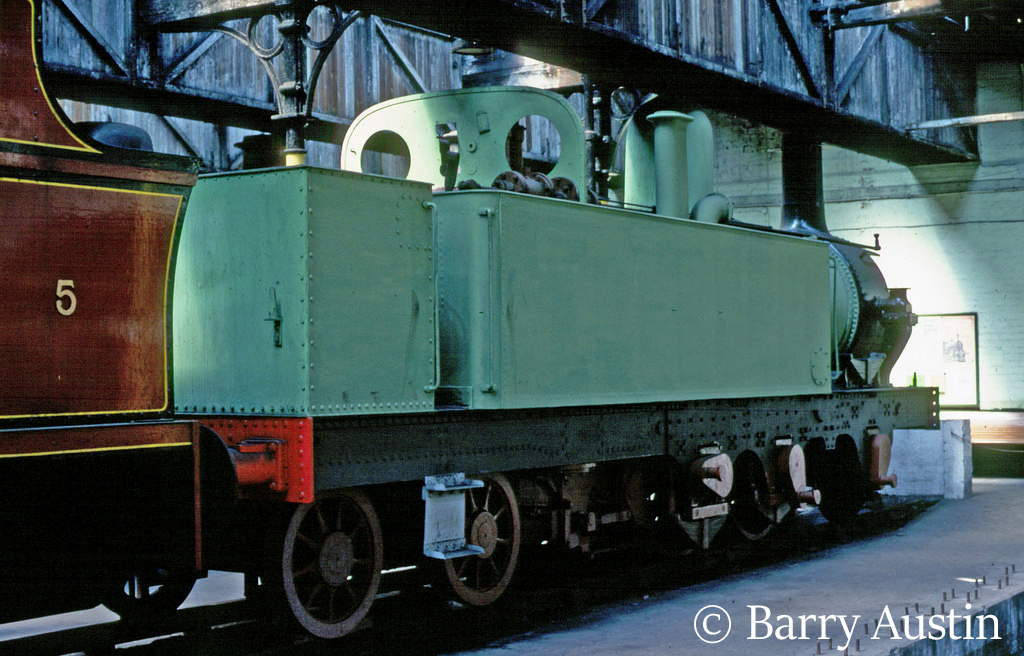
I am trying to find out a little more about steam locomotives fitted with condensing equipment for working over the underground lines in London or Glasgow. (Metropolitan / GWR / MR / GNR / Caledonian)
Does anyone know approximately how much of the exhaust steam was returned to the water tanks and condensed?
Presumably the pipes leading to the tanks branched off the base of the blast pipe close to the cylinder exhaust. I am guessing that much of the steam still went up the chimney to produce a draught. Does anyone have more details?
Condensing would result in hot water in the tanks, which could not be delivered by a normal injector. I understand that these locomotives were fitted with steam operated pumps in place of injectors. Was this one pump and one injector? Or was it two pumps? Hot water injectors were later invented. Were hot water injectors rather than pumps fitted to any of these locomotives? Does anyone have any information about the steam pumps used?
Does anyone know approximately how much of the exhaust steam was returned to the water tanks and condensed?
Presumably the pipes leading to the tanks branched off the base of the blast pipe close to the cylinder exhaust. I am guessing that much of the steam still went up the chimney to produce a draught. Does anyone have more details?
Condensing would result in hot water in the tanks, which could not be delivered by a normal injector. I understand that these locomotives were fitted with steam operated pumps in place of injectors. Was this one pump and one injector? Or was it two pumps? Hot water injectors were later invented. Were hot water injectors rather than pumps fitted to any of these locomotives? Does anyone have any information about the steam pumps used?