
-
Our new ticketing site is now live! Using either this or the original site (both powered by TrainSplit) helps support the running of the forum with every ticket purchase! Find out more and ask any questions/give us feedback in this thread!
You are using an out of date browser. It may not display this or other websites correctly.
You should upgrade or use an alternative browser.
You should upgrade or use an alternative browser.
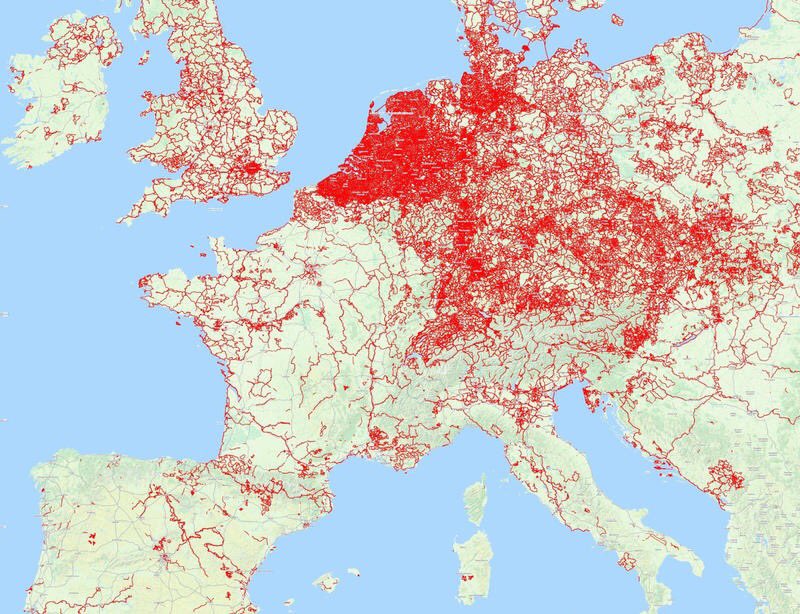
Bikelanes in Europe
- Thread starter Groningen
- Start date
- Status
- Not open for further replies.
Sponsor Post - registered members do not see these adverts; click here to register, or click here to log in
R
RailUK Forums
There is a big difference between "bike lane" and "bike path". A "bike lane" just means paint on the road, so is basically no different to a normal road. A "bike path" means separated from the road. Even where there is a "bike path" in Britain, it is often very poor quality and may not be very useful, for example only for a short distance and you have to continue your journey on the main road.
There is a big difference between "bike lane" and "bike path". A "bike lane" just means paint on the road, so is basically no different to a normal road. A "bike path" means separated from the road. Even where there is a "bike path" in Britain, it is often very poor quality and may not be very useful, for example only for a short distance and you have to continue your journey on the main road.
In many cases it's simply some red paint in an existing lane which ironically encourages people to drive closer than they might otherwise. See this particularly useless example in Cardiff. Lane one is now too narrow for most vehicles. The wing mirrors on the mini overhang the "cycle lane" and lane two. I cannot imagine how this was ever signed off.
https://www.google.co.uk/maps/@51.4...4!1sxIE71YXMYozcTspZj2RzxQ!2e0!7i16384!8i8192
Bletchleyite
Veteran Member
In many cases it's simply some red paint in an existing lane which ironically encourages people to drive closer than they might otherwise. See this particularly useless example in Cardiff. Lane one is now too narrow for most vehicles. The wing mirrors on the mini overhang the "cycle lane" and lane two. I cannot imagine how this was ever signed off.
https://www.google.co.uk/maps/@51.4...4!1sxIE71YXMYozcTspZj2RzxQ!2e0!7i16384!8i8192
Wow, that's dangerous.
In many cases it's simply some red paint in an existing lane which ironically encourages people to drive closer than they might otherwise. See this particularly useless example in Cardiff. Lane one is now too narrow for most vehicles. The wing mirrors on the mini overhang the "cycle lane" and lane two. I cannot imagine how this was ever signed off.
https://www.google.co.uk/maps/@51.4...4!1sxIE71YXMYozcTspZj2RzxQ!2e0!7i16384!8i8192
That looks like a tick box exercise. The council probably had a target of creating x km of cycle lane.
Tell me about it. That's my usual route home from work. Cardiff has a few similar examples. Here's another good one. Frankly I'd rather they didn't bother and use the money for something useful.Wow, that's dangerous.
https://www.google.co.uk/maps/@51.4...4!1sdpF0T726DtPkZJnKVROhnw!2e0!7i16384!8i8192
The problem with cycle lanes is the fact that other road users have a legitimate need to access the kerb. This example recognises this but at the cost of putting bikes into the "door zone". Of course putting a cycle path between the kerb and the footway, as some councils do, mean that there is still the risk of being "doored" by the passenger who, not expecting a vehicle is probably even more likely to open a door without checking.Tell me about it. That's my usual route home from work. Cardiff has a few similar examples. Here's another good one. Frankly I'd rather they didn't bother and use the money for something useful.
https://www.google.co.uk/maps/@51.4...4!1sdpF0T726DtPkZJnKVROhnw!2e0!7i16384!8i8192
It is not just about quantity, it is about quality. A bike lane is useless if it forces the cyclist to take a much longer route than the road, requires more difficult/fiddly logistics than using the road, or is more dangerous than using the road.
Warrington Cycle Campaign have an excellent cycle facility of the month archive to illustrate this element of UK crapness very nicely:
http://wcc.crankfoot.xyz/facility-of-the-month/January2006.htm
Warrington Cycle Campaign have an excellent cycle facility of the month archive to illustrate this element of UK crapness very nicely:
http://wcc.crankfoot.xyz/facility-of-the-month/January2006.htm
In many cases it's simply some red paint in an existing lane which ironically encourages people to drive closer than they might otherwise. See this particularly useless example in Cardiff. Lane one is now too narrow for most vehicles. The wing mirrors on the mini overhang the "cycle lane" and lane two. I cannot imagine how this was ever signed off.
https://www.google.co.uk/maps/@51.4...4!1sxIE71YXMYozcTspZj2RzxQ!2e0!7i16384!8i8192
That isn't a mandatory cycle lane so vehicles can legally encroach into it, but yes, it is another example of where removing the cycle lane would make it safer for cyclists.
My main complaint with this one is that it zig zags in and out from the kerb and disappears under the parked vehicles. It is literally useless. It's been like that for at least 10 years, the history on Google maps confirms this.The problem with cycle lanes is the fact that other road users have a legitimate need to access the kerb. This example recognises this but at the cost of putting bikes into the "door zone". Of course putting a cycle path between the kerb and the footway, as some councils do, mean that there is still the risk of being "doored" by the passenger who, not expecting a vehicle is probably even more likely to open a door without checking.
I've seen this website, it's great. A good example of what you describe above is shown below. For some reason cyclists are expected to mount the pavement, cross the junction in two stages and then rejoin the road at the other side. In fact cyclists turning right would have to cross four sections of road with a lengthy wait between each crossing. Why would anyone do this? Anyone that is confident enough to ride along Newport Road would just stay on the road. The worst bit is that they spent months making minor adjustments to the junction to achieve this nonsense. There were numerous lane closures and months of traffic jams, all for something that no one wants.It is not just about quantity, it is about quality. A bike lane is useless if it forces the cyclist to take a much longer route than the road, requires more difficult/fiddly logistics than using the road, or is more dangerous than using the road.
Warrington Cycle Campaign have an excellent cycle facility of the month archive to illustrate this element of UK crapness very nicely:
http://wcc.crankfoot.xyz/facility-of-the-month/January2006.htm
https://www.google.co.uk/maps/@51.4...4!1svl92OYVsQjzlx1K9gQXnPA!2e0!7i16384!8i8192
- Status
- Not open for further replies.