
• Our new ticketing site is now live! Using either this or the original site (both powered by TrainSplit) helps support the running of the forum with every ticket purchase! Find out more and ask any questions/give us feedback in this thread!

Free Bus Travel for young people: Soon to be in England.

overthewater

Established Member
Joined
16 Apr 2012
Messages
9,086
There has been two other thread over the past 5 years as seen here, so lets not repeat ourselves too much:

* https://www.railforums.co.uk/threads/free-bus-travel-for-under-22s-in-scotland.201086
* https://www.railforums.co.uk/thread...those-under-22-years-such-a-good-idea.290945/

The idea is growing elsewhere with the UK. It seems to have past a few people but a scheme is coming to England soon, covering just under 15 years, however it appears it will just be for the summer but its seems to be pilot scheme of sorts:
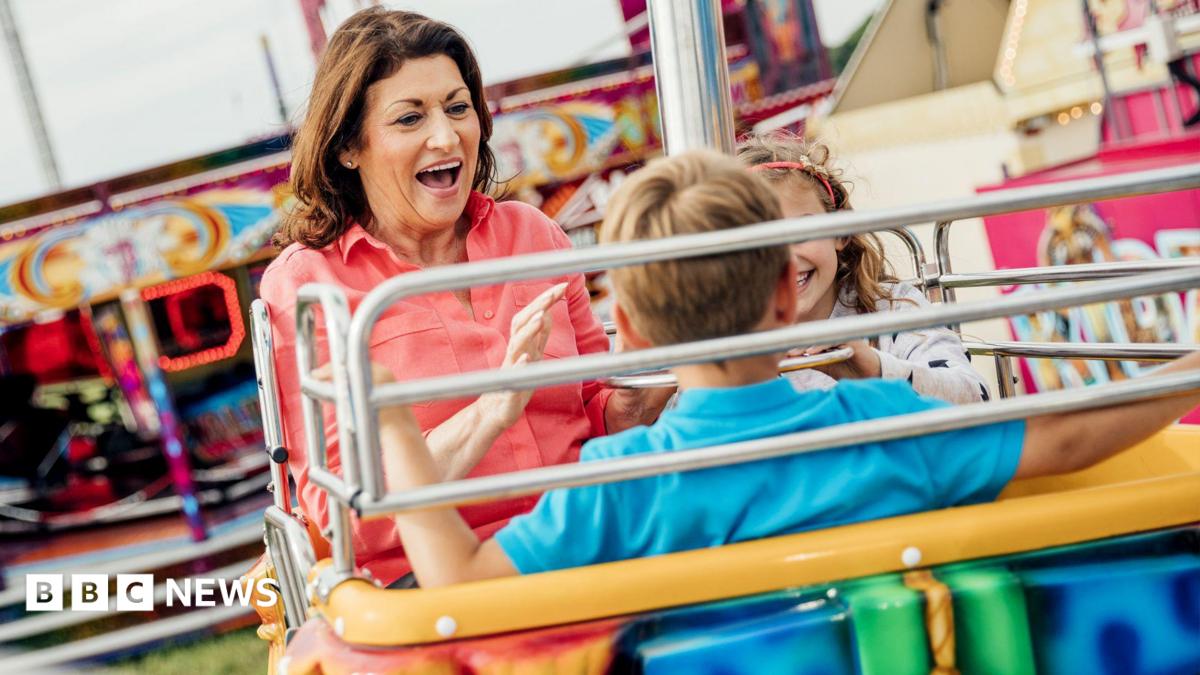
As well as the cut in VAT on tickets for family days out, the chancellor announced free bus journeys for under-16s in England in August and cuts to import taxes on some basic foods under a "Great British Summer Savings" campaign.

I've never been overly happy with the scheme, Mainly down to two important factors;

A: They should have been a way to remove the passes from people that cause problems. I think everyone agrees with that and we talked about that in one of the above threads:

B: How do you make sure your able to retain those Free passengers once they reach age of 23? It's no good have a scheme were the majority of these people just disappear, get cars etc Its wasting money for no good effort. Even the government has said that one of thier objectives. ( highlighted in bold in quote provide )

Get these two points right I will happily back this scheme to the hills. The second graph in the BBC piece ( linked below) highlights from the point the scheme was introduce Ie 2022 until now only an extra 20million bus journeys have been made from Age 23-60 age group. This is very unclear, as I said on other thread who really are those extra passengers? Are they just people who have returned to traveling since covid? people who have had to give up thier cars due to the cost of living crisis?

Case study with Poppy in the article is a bit misleading as she is a student, she would have been give help towards here travel before the free travel scheme come in. ( she wrong on her cost as the ticket she would need would have cost more than £25 at £33.50) I do believe alot of the money which used to be used on paying for Free school bus travel or traveling to/from Collage and unis has been repurpose to this scheme, so the overall costs to cover everyone is not much more.

Since the scheme as come in, the network including many parts of England's has shrank. I don't think the English scheme is going to do much better as they not going push though to try and retain these users, we badly need to keep these people from having to buy a car etc. Why has the government failed to deal with the next stage or did they have some magic plan that by just having some free travel would be enough? if that is the case then the minsters are very very silly.
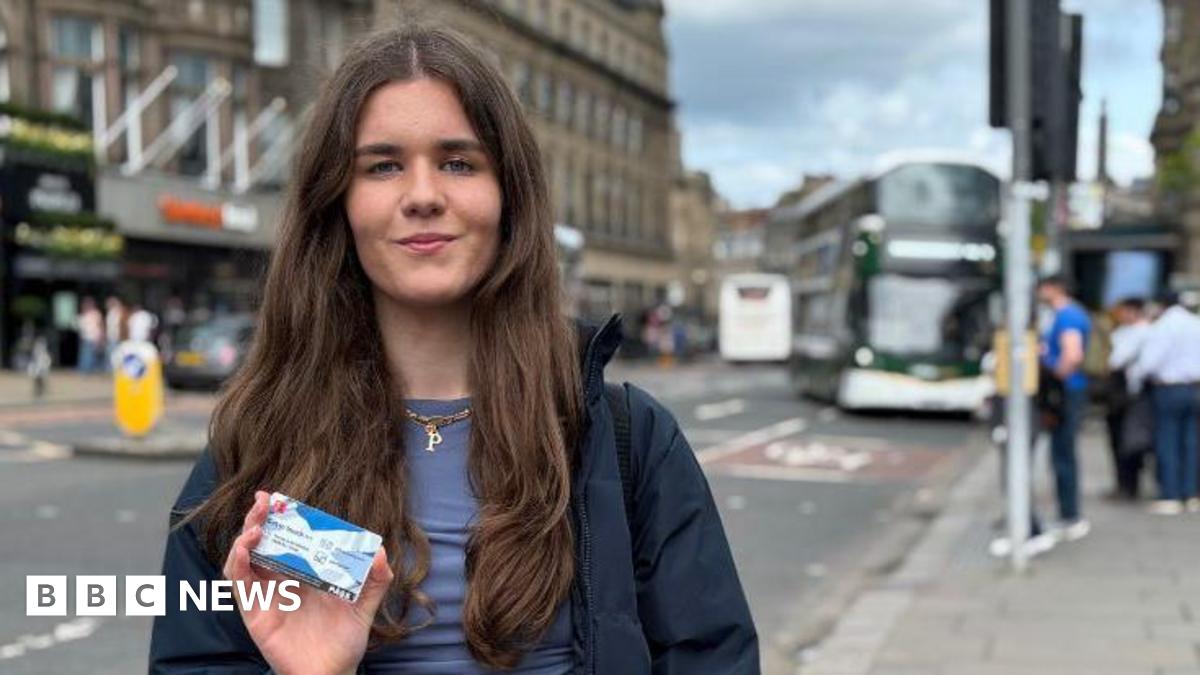

Between studying, working, and volunteering, Poppy Fairbairn covers hundreds of miles a month on Scotland's bus network.
But the 19-year-old medical student, from Kirkcaldy in Fife, does not pay a penny for her travel.
As a National Entitlement Card (NEC) holder, Poppy - who is part-time swimming teacher alongside her studies at the University of St Andrews – benefits from Scotland's free bus transport for those aged under 22.
She said the scheme, which has run in Scotland for more than four years, means she "doesn't have to worry" about the cost of travel. Young people in England under the age of 16 will benefit from free bus travel in August under new measures announced by chancellor Rachel Reeves on Thursday. In Scotland, anyone aged between five and 21 with an NEC featuring the blue 'ITSO' circle is permitted to travel on any bus service within Scotland free of charge.

Poppy lives in St Andrews during term time and uses the bus network to get to and from classes, as well as making the 50-mile round trip home to Kirkcaldy on a regular basis. She also volunteers with a number of organisations, including the Scouts, Young Scot and Scottish Action for Mental Health, in locations across Scotland. Poppy estimated she would spend at least £25 per week on bus travel without the pass. "Having the card means I don't have to decide what I can and can't do," she said. "For work, because I only teach for two or three hours at a time, it's not feasible to commute there and earn a wage, I'd have to spend most of it getting there and back. "It's the same with going to see friends, I can just go and not have to worry about the cost for them or for myself, we can just make the most of it."

The National Concessionary Travel Scheme (NCTS) was introduced in January 2022. It was among the policies pushed through by the Scottish Greens as part of a Scottish Parliament budget deal with the SNP. Users simply tap their cards when they get on the bus. In the 2021/22 financial year about 3.5 million bus journeys were taken by those aged between 16 and 22. By the following year, the first full year the scheme was operational, that had jumped to more than 33 million. As of 1 April this year, 838,992 young people, or about 15% of Scotland's entire population, were in possession of a valid NEC pass. That means about 80% of those eligible for the pass have one.

Official figures from Transport Scotland show 296,776,082 journeys have been taken by young people since the NCTS began. Travel for children under the age of five is already free on most services. In addition to tackling the cost of living crisis, it was hoped the scheme would create a generation of young people who choose to use public transport over private car use. It costs the Scottish government about £472.7m a year to run. The Greens, whom the SNP may need to rely on again to have future budgets passed through parliament, want to expand free bus travel to everyone in Scotland by bringing it under public control.

But while the scheme has been vital in allowing those like Poppy to work, study and socialise, it has also been cited among reasons for a rise in anti-social behaviour. I n February 2024, bus driver Keith Rollinson died of a cardiac arrest following an altercation with a youth in Elgin, Moray. Rollinson had refused to let the boy, who was aged 15 at the time, board the bus because he was too drunk. A court case later heard the boy "lost control" and began punching the driver in the head before being dragged away by another youth. The teenager, who cannot be named for legal reasons, was originally charged with murder, but pled guilty to the lesser charge of culpable homicide. He was sentenced to four years and four months in prison. In February of this year, the Scottish government said there were "no guarantees" he would be stripped of his bus pass after it emerged he was eligible for earlier release in 2026.
Legislation was later brought forward before the breakup of the last parliamentary session allowing the government to suspend or withdraw travel from a card holder if they breach a newly designed code of conduct.
However, those rules are not set to be introduced until later this year. Speaking after the legislation was brought forward, the then-minister for connectivity, Jim Fairlie said: "Our aim is to make the bus network safer by deterring unacceptable behaviour and, where necessary, removing the privilege of free travel. "Criminal behaviour will remain a matter for the police and justice system, but this policy forms part of wider efforts to improve community safety."
In Edinburgh, figures obtained by the Local Democracy Reporting Service found reports of anti-social behaviour on board Lothian services had increased by nearly 5% last year.

Last month, eight youths were charged after a driver was assaulted outside the city's Royal Infirmary. Operators First Bus and Stagecoach have both previously withdrawn services in Glasgow due to repeated instances of vandalism. Stagecoach also temporarily withdrew its number 82 service in Dunfermline, Fife, in March due to a number of "serious incidents" which saw vehicles targeted with objects and windows smashed. In Hawick, Borders Buses drivers were told to call the police following the cancellation of some after-school services due to young people "screaming, shouting and being anti-social". The Unite union, which represents about 8,000 workers in the bus industry across Scotland, said it was in support of the pass in principle, but called for more protections to be introduced for staff. The union's deputy Scottish secretary, Dougie Maguire said: "The incidence of anti-social behaviour is at record levels which is leading to unacceptable levels of physical and verbal abuse being directed at drivers and passengers. "We need bus companies and the Scottish government to adopt stronger preventative and protective measures on all buses such as CCTV.

"This is complicated societal issue which needs a multi-agency response, because it's having a detrimental impact on communities, passengers and workers."
 
Sponsor Post - registered members do not see these adverts; click here to register, or click here to log in
R

RailUK Forums

GusB

Established Member
Joined
9 Jul 2016
Messages
8,110
Location
Elginshire
I've never been overly happy with the scheme, Mainly down to two important factors;
Heaven forbid that the young people of today are able to benefit from something that you didn't. :rolleyes:

A: They should have been a way to remove the passes from people that cause problems. I think everyone agrees with that and we talked about that in one of the above threads:
Right on cue! Rather than hail the scheme as something good to help young people, many of whom will have families that may be struggling financially, you focus on the negative aspects - because all teenagers are hooligans, right? (You were young once...) I'll agree with this point, provided that the mechanism to withdraw passes also applies to pensioners; otherwise, it's pure ageism.

B: How do you make sure your able to retain those Free passengers once they reach age of 23? It's no good have a scheme were the majority of these people just disappear, get cars etc Its wasting money for no good effort. Even the government has said that one of thier objectives. ( highlighted in bold in quote provide )
How is this relevant when it's not being proposed to offer free fares to those under 23 in England?

Anyway, you've no idea whether or not people will simply just disappear and stop using the bus once they hit a certain age. It all depends what other transport options are available to them, really. Cars are expensive items to buy - even a cheap banger is still a large purchase for a young person. They're even more expensive to insure, and that's before you factor in the cost of actually learning to drive in the first place.

I fail to see what's wrong with trying to create a new generation of people who are used to using public transport. We've had successive generations where income has generally increased and more households were able to afford cars, reducing the need/desire to use public transport to such an extent that bus services that were once fairly well patronised have either gone or are seriously at risk of disappearing. On the latter point, you seriously risk leaving some people stranded if they aren't able to drive for whatever reason. By encouraging younger people to use the bus regularly you're potentially increasing patronage on those lesser-used services. Even if some people inevitably drift away from public transport as they get older, you'll still have other generations coming up behind them. We're in a situation where there are some young people will never have used a bus service in their life and that's really not a great place to be; anything that can be done to reverse that trend should be welcomed, not scorned.

Also, it's not just about giving younger people free travel; it gives them independence and a bit of freedom to go out and experience life before they fly the nest (if they can ever afford to!). It could mean the difference between a youngster being able to find a part-time job, giving them valuable work experience before they leave school. It also gives the parents a bit of freedom by not having to operate Mum & Dad's Taxi Service; maybe they fancy going for a drink or a meal in the evenings and not have to worry about ferrying kids to and from their various activities.

There will always be drawbacks to any scheme, of course, and anti-social behaviour will no doubt happen from time to time. However, I'm getting a little bit tired of the "feral youth" argument that constantly gets dragged up every time there's an initiative to encourage them to stop relying on cars to get everywhere. At best it's lazy stereotyping and at worst it's pure ageism. I also think there's a large element of jealousy on the part of those who denigrate these initiatives and that's quite saddening.
 

nw1

Established Member
Joined
9 Aug 2013
Messages
9,414
Sounds a good idea. In particular, I always wonder why public transport in general has persisted with charging adult fares for 16- and 17 year-olds, even though for a long time now, people of that age have - AFAIK - more commonly been in education of some sort and living at home, rather than full-time employment and living in their own accommodation.
 
Last edited:

820KDV

Member
Joined
14 Nov 2021
Messages
83
Location
At the keyboard
I think @overthewater has rather over reacted to what is happening, namely free travel for 5-15 year olds in England during August. There will be no need to obtain a pass, or register for the scheme if you are in that age group. The new English scheme is modelled on that run by the West of England Combined Authority (WECA) for all school holidays in the past year.

Sure, some young people will use it to travel on bus after bus (but why shouldn't they?), and no doubt a very small minority will cause trouble, not that I'm aware of any particular issues in WECA, but I did experience very noisy behaviour and throwing round of water from fare paying secondary age pupils on a public bus last week.

In my local authority we are looking to add a note about free bus travel to social media posts, posters and so on, for free swimming which our leisure centres offer, and free library activities during August. Our town councils often run free sports clubs, museum sessions and so on and we'll encourage them to also mention free bus travel. Joined-up promotion between transport and activities.

Members of our transport team recently met with our Youth Parliament and they say they don't use the bus as they don't know the fare, how to pay and so on and they say they feel embarrassed to stand at the front of a busy bus asking "silly" (but actually perfectly reasonable) questions of the driver. Sure, the fare, or lack of it, is only part of the solution, but we're trying to get our Communications Team to produce some "how to use the bus" explainer videos to remove, or at least reduce the others.

Will one month's free travel have a long term effect? Who knows, but if it gets some young people to try the bus, when they never used one before, well, that's a step in the right direction. And whilst he's an adult rather than a young person I was talking to my niece's boyfriend on Saturday and due to car troubles he's been using the bus for the first time to get to and from work. His opinion (and I know this doesn't apply to every bus) was "buses are rather good, electric powered, with charging points, and they tell you the next stop".

Every long journey starts with a single step, they say. Similarly the bus use habit starts with a single step, albeit these days a nice, level boarding one.
 

overthewater

Established Member
Joined
16 Apr 2012
Messages
9,086
I found it odd some people just don't want to deal with a very small minority will cause trouble, That need to be nipped in the bid. The BBC piece has listed a FEW alas there are plenty more "small Minority" causing trouble. Why can they be dealt with and allow the rest of the majority a decent and pleasant journey? This has stop some people including kids using the buses at certain time, Fix that problem and everyone including the under 22 benefit.

We already had a thread no one could agree or disagree. The Scheme need to stay... Were past that discussion.. LETS MOVE ON.. Its not going anywhere but it need to be made better and revised and will need some minor changes: I made it VERY CLEAR: Why is is that so problematic?

A: They should have been a way to remove the passes from people that cause problems. I think everyone agrees with that and we talked about that in one of the above threads:
B: How do you make sure your able to retain those Free passengers once they reach age of 23? It's no good have a scheme were the majority of these people just disappear, get cars etc Its wasting money for no good effort. Even the government has said that one of thier objectives. ( highlighted in bold in quote provide )

Get these two points right I will happily back this scheme to the hills.

This point is from Scottish government
In addition to tackling the cost of living crisis, it was hoped the scheme would create a generation of young people who choose to use public transport over private car use.

One of the two End result from this scheme, is to help combat an increase in car drivers and it's not working out as it should, it should be right to highlight that one of the main goals is not going to plain.


I fail to see what's wrong with trying to create a new generation of people who are used to using public transport. We've had successive generations where income has generally increased and more households were able to afford cars, reducing the need/desire to use public transport to such an extent that bus services that were once fairly well patronised have either gone or are seriously at risk of disappearing

The numbers are not adding up over the last 4 years so they should be alot higher, there nothing wrong trying to get new younger people to use the bus but it clear its not doing one of it's original outcomes. It's clear no one is looking into this. You try and say something to Transport Scotland and there none the wiser.. since that Scheme started EVEN MORE routes have disappeared, it's not work as it should..

I also think there's a large element of jealousy on the part of those who denigrate these initiatives and that's quite saddening.
If that's what you think, then I can't help you, as your stick in that weird mind set, of not wanting to get a better scheme: c'est la vie.. It not where im coming from.


I think @overthewater has rather over reacted to what is happening, namely free travel for 5-15 year olds in England during August. There will be no need to obtain a pass, or register for the scheme if you are in that age group. The new English scheme is modelled on that run by the West of England Combined Authority (WECA) for all school holidays in the past year.

Sure, some young people will use it to travel on bus after bus (but why shouldn't they?), and no doubt a very small minotry will cause trouble, not that I'm aware of any particular issues in WECA, but I did experience very noisy behaviour and throwing round of water from fare paying secondary age pupils on a public bus last week.

So that where this pilot scheme has come from, I never said they can't travel on bus after bus, I just want to make sure small minority that cause trouble is dealt. However its great to hear there was no antisocial issues with the scheme in WECA


In my local authority we are looking to add a note about free bus travel to social media posts, posters and so on, for free swimming which our leisure centres offer, and free library activities during August. Our town councils often run free sports clubs, museum sessions and so on and we'll encourage them to also mention free bus travel. Joined-up promotion between transport and activities.

Members of our transport team recently met with our Youth Parliament and they say they don't use the bus as they don't know the fare, how to pay and so on and they say they feel embarrassed to stand at the front of a busy bus asking "silly" (but actually perfectly reasonable) questions of the driver. Sure, the fare, or lack of it, is only part of the solution, but we're trying to get our Communications Team to produce some "how to use the bus" explainer videos to remove, or at least reduce the others.

Will one month's free travel have a long term effect? Who knows, but if it gets some young people to try the bus, when they never used one before, well, that's a step in the right direction. And whilst he's an adult rather than a young person I was talking to my niece's boyfriend on Saturday and due to car troubles he's been using the bus for the first time to get to and from work. His opinion (and I know this doesn't apply to every bus) was "buses are rather good, electric powered, with charging points, and they tell you the next stop".

Every long journey starts with a single step, they say. Similarly the bus use habit starts with a single step, albeit these days a nice, level boarding one.

In the good old days, young kids where taught by their parent how to use the buses and pay fares, so that a dying art form it seems. I know of a few "How to use the buses" videos have been made around the UK. That seems to be growing problem with the public which as you say needs to be addressed. That great your niece's boyfriend is having a great and positive time with the buses ( it sound like he got a direct service) I would like the English scheme to work aswell but it need to be built on solid foundation.


People seem to think throwing money at Cheap or Free Travel will solve all the problems, It just doesn't but highlighting issues seems to make it look like your attacking the schemes.... Surly everyone can't think the current schemes are the best they can be?
 
Last edited:

KHCT

Member
Joined
17 Sep 2025
Messages
122
Location
East Yorks
Let's not get too excited - this isn't some grand experiment with as view to rolling out 'free' travel as standard, rather a token gesture from a dying government to give the impression it is doing something to tackle the so called "cost of living crisis". It's only running for a few weeks and we don't know yet which bus companies are willing to take part. There's also potential validity issues/confusion; the two main bus companies in my area already have different approaches to non-adult fares with one offing child fares to 16 and under and the other offering 'young people' fares to 19 and under. I bet the drivers can't wait for the arguments over age checks and ID.

My main issue is the cost, quoted as £100m for these few weeks. Remember, this is the same government that increased the adult bus fare cap by 50% from £2 to £3 because the £150m per year cost was "unaffordable". I know which I think was better value for money, and it isn't Rachel's latest plan.
 

aron2smith

Member
Joined
20 Jan 2025
Messages
694
Location
London
A: They should have been a way to remove the passes from people that cause problems. I think everyone agrees with that and we talked about that in one of the above threads:
Agree with Gus on this and think a move towards a universal concession for young people would be a good thing in principle. Even if just for journeys to/from school and college. Something that would reduce traffic a fair bit where I live.
B: How do you make sure your able to retain those Free passengers once they reach age of 23? It's no good have a scheme were the majority of these people just disappear, get cars etc Its wasting money for no good effort. Even the government has said that one of thier objectives. ( highlighted in bold in quote provide )
This is why they need to fix the services first and ensure a network exists that goes to where people want and need to go.

I grew up in North London, you can literally use the buses at any time you want and little need to plan. Go to town for a day or night out, go shopping or to school or work, go to a station and get the train or tube into the centre, the service is far from perfect but it works for its purpose and you don't even need to think about a timetable unless you need a specific train or bus or be somewhere at a specific time. It felt like true freedom. I now live in Cheshunt where half of all services and routes were cut during all those years of austerity. Decades of deregulation mean obvious local and regional connections either don't exist or were often under threat of cuts. Hardly a way to get people using buses is it? What exists still is minimal to the past bus services. Throw in the spanner of different neighbouring authorities not working together despite a daily need to go into the neighbouring counties and what should be simple journeys (like to Enfield or Waltham Forest or even Epping. Potters Bar until Uno took over that route.) are long drawn out affairs only used by those with no real choice. I heard 2 people in mobility scooters on the bus yesterday say how hard it is to get to the local rail station because no bus goes there and worrying they'd make it in time! Such a basic thing.

I looked at London bus and tube timetables recently. It is possible to get the last Piccadilly Line train at Green Park just after 00:30 and alight at Oakwood at 01:10! The 2 main bus routes (121 and 307) stop across the road and run for another 40 minutes between them, meaning someone can alight at Oakwood in West Enfield and get home on the other side of the borough in just 15 or so minutes from leaving the station. This is separate to the night bus network. And from first to last tube, they can rely on being able to get around at a reasonable frequency, even if the services are a bit slow, they exist and are reasonably consistent in a congested city at an amount 7 days a week where it becomes an ingrained habit.

In Cheshunt, the rail service is great from early to late but the buses vanish after the evening rush hour, complete lack of coordination and are very unreliable and as I say don't serve the station directly. Walking or driving is the only consistent way of getting around here as it stands. Not good enough as the town is getting more built up. A tale of 2 towns in 2 counties, 1 built up area, 3 miles apart!

When I lived in Enfield I used the buses as they are very visible, fares are incredibly straightforward and a degree of integration exists. There simply was no anxiety around missing the last bus and no cliff drop fall in frequency (curfew). As soon as I turned 18 I was happy to pay for that. Outside London, I hardly used buses till I had a disabled bus pass. Why? Unpredictable frequency, very unreliable and confusing fares. Borderline unusable at times if tracking didn't exist! At least in Hertfordshire, I would be happy to pay for the bus now but only because fares were reformed and made simpler, but reliability needs vast improvements.. The fares are transparent at least. None of this ticket is only valid on company A, but not company B nonsense. But they need to serve all areas and journeys people are likely to make equally. That requires some kind of central authority who is willing to connect areas properly rather than focus only on what makes the profit.

Said it to people advocating free bus travel in the Green Party, the services need to be massively improved for there to be any lasting impact of expanding concessionary travel.

I looked at a rail map around Zurich in Switzerland earlier today as it's apart of a rail holiday next year, it included regional bus and ferry routes! What a way to inspire confidence of what the network is like in practice.
 

GusB

Established Member
Joined
9 Jul 2016
Messages
8,110
Location
Elginshire
In my local authority we are looking to add a note about free bus travel to social media posts, posters and so on, for free swimming which our leisure centres offer, and free library activities during August. Our town councils often run free sports clubs, museum sessions and so on and we'll encourage them to also mention free bus travel. Joined-up promotion between transport and activities.
This is a great example of joined-up thinking, and a great way for places like museums to get additional footfall. Organisations such as the National Trust, Historic England, or those operating any other attraction for that matter, would also do well to promote travel in this way.

Members of our transport team recently met with our Youth Parliament and they say they don't use the bus as they don't know the fare, how to pay and so on and they say they feel embarrassed to stand at the front of a busy bus asking "silly" (but actually perfectly reasonable) questions of the driver. Sure, the fare, or lack of it, is only part of the solution, but we're trying to get our Communications Team to produce some "how to use the bus" explainer videos to remove, or at least reduce the others.
It's sad that it has come to the stage where young folk don't even know how to use the bus, but this seems like a good way to try to encourage them. I'd go as far as suggesting that bus companies should consider putting up video explainers too, as there will be some adults in a similar situation.

Will one month's free travel have a long term effect? Who knows, but if it gets some young people to try the bus, when they never used one before, well, that's a step in the right direction. And whilst he's an adult rather than a young person I was talking to my niece's boyfriend on Saturday and due to car troubles he's been using the bus for the first time to get to and from work. His opinion (and I know this doesn't apply to every bus) was "buses are rather good, electric powered, with charging points, and they tell you the next stop".

Every long journey starts with a single step, they say. Similarly the bus use habit starts with a single step, albeit these days a nice, level boarding one.
Exactly this. I don't think anyone expects the entire population to suddenly switch to using the bus, but you don't need to convert everyone (and never will). As you say, we've got to start somewhere.

This, along with the single fare cap, means that families who would otherwise be unable to afford days out may be able to do so, rather than being stuck at home. That has obvious benefits. Give the kids something constructive to do and they'll be less likely to get into trouble.

I found it odd some people just don't want to deal with a very small minority will cause trouble, That need to be nipped in the bid. The BBC piece has listed a FEW alas there are plenty more "small Minority" causing trouble. Why can they be dealt with and allow the rest of the majority a decent and pleasant journey? This has stop some people including kids using the buses at certain time, Fix that problem and everyone including the under 22 benefit.

We already had a thread no one could agree or disagree. The Scheme need to stay... Were past that discussion.. LETS MOVE ON.. Its not going anywhere but it need to be made better and revised and will need some minor changes: I made it VERY CLEAR: Why is is that so problematic?
Move on, then! It's you who is fixated on the issue of anti-social behaviour and you bring it up every single time a scheme like this is announced. See my last point about giving kids something to do; dangle the carrot before wielding the stick.

You say that no one could agree or disagree - there has been agreement on a few points in this very thread. There is also disagreement - I certainly do not agree with the points you've made! If you don't want people to disagree with the points you make, perhaps a discussion forum isn't the right place to be! ;)
 

Farigiraf

Member
Joined
23 Jul 2023
Messages
1,140
Location
Bridge on the River Cam
Though I usually prefer spending the generally limited funding pots on service improvements over artificially reducing fares, this is an excellent idea. Non-London buses outside of weekday peak times typically carry a lot of fresh air, and many families aren't accustomed to the idea of taking the bus even in the few places where there's good service provision and modern vehicles.

Frankly, I doubt child bus fares contribute much at all to bus operator revenue, so year-round free travel for under 18s makes a lot of sense and would likely bring more publicity and support (and therefore funding) for buses than currently.
 

overthewater

Established Member
Joined
16 Apr 2012
Messages
9,086
Move on, then! It's you who is fixated on the issue of anti-social behaviour and you bring it up every single time a scheme like this is announced. See my last point about giving kids something to do; dangle the carrot before wielding the stick.

You say that no one could agree or disagree - there has been agreement on a few points in this very thread. There is also disagreement - I certainly do not agree with the points you've made! If you don't want people to disagree with the points you make, perhaps a discussion forum isn't the right place to be! ;)

I said we had a thread about the merits of the scheme and no one could agree or disgrace. What I'm saying is the scheme staying lets move on from that point so we don't go around like a dogs tail. Thats what I was on about. However I'm not the only who has highlighted the anti-social behaviour, and its NEEDS to be resolved.

I disagree with you that the scheme "as is" is fine and doesn't need minor tweaks to make it better, we just have to appect the anti-social behaviour.

Said it to people advocating free bus travel in the Green Party, the services need to be massively improved for there to be any lasting impact of expanding concessionary travel.

That points is rather lacking with the people in power....
 

Bletchleyite

Veteran Member
Joined
20 Oct 2014
Messages
112,941
Location
"Marston Vale mafia"
The problem with this is that it promotes transport disintegration and pressure to duplicate rail with bus, because free travel (like for pensioners) is only provided by bus.

I would therefore rather see us return to a system of free or heavily discounted local travel being provided by all modes of transport within the local area rather than national bus-only travel. Free local travel for those visiting tourist areas would be better provided for all by way of tourist taxation as it is in Switzerland.

There would need to be some thought on defining "local" though. Simply county boundaries doesn't work - people in Ormskirk, say, primarily want to go to Liverpool, not Preston. Thus a much larger set of overlapping zones for what constitutes local travel would need to be defined in order to avoid giving people free long distance rail travel. In places like Germany where you have a clear regional-IC split this is much easier but we don't and it doesn't look like GBR is going to return to this any time soon if at all, so we would need another option.

As for pass withdrawal in case of antisocial behaviour, I'm happy for this to apply to passes for pensioners too, but I suspect rather more teenage passes would be withdrawn than pensioners' ones! I do think it's an essential feature and so does Transport for London.

== Doublepost prevention - post automatically merged: ==

Said it to people advocating free bus travel in the Green Party, the services need to be massively improved for there to be any lasting impact of expanding concessionary travel.

At least passes do improve one aspect - speed of operation - as if people just need to quickly tap a pass a lot of time is saved compared to faffing for change and having a discussion about destination. Probably more pronounced in the case of pensioners, however, as as people get older mental faculties slow down and so preparing the correct change may genuinely take time for instance.
 
Last edited:

Dai Corner

Established Member
Joined
20 Jul 2015
Messages
6,989
I wonder how many will spend the money they save on bus fares on driving lessons and saving up for a car?
 

yorksrob

Veteran Member
Joined
6 Aug 2009
Messages
44,245
Location
Yorks
Sounds a good idea. In particular, I always wonder why public transport in general has persisted with charging adult fares for 16- and 17 year-olds, even though for a long time now, people of that age have - AFAIK - more commonly been in education of some sort and living at home, rather than full-time employment and living in their own accommodation.

To be honest, I think that extending child fares to those who are still not adults, would have been a better idea.

I'm not keen on providing free travel - it will be seen as having no value with buses becoming Byker Groves on wheels.

That said, it is an eye-catching policy, so it has that gaing for it.

I tell you what would be another eye-catching policy Chancellor - a National railcard.
 

nw1

Established Member
Joined
9 Aug 2013
Messages
9,414
To be honest, I think that extending child fares to those who are still not adults, would have been a better idea.

I'm not keen on providing free travel - it will be seen as having no value with buses becoming Byker Groves on wheels.

That said, it is an eye-catching policy, so it has that gaing for it.

I tell you what would be another eye-catching policy Chancellor - a National railcard.

Looking back, and it is a while ago, it did seem crazy that I had to pay full fare on both bus and train for two years when I was still at school. Couldn't use the YPRC of course due to the times of the school commute, so only got one when I was 18. It seems strange for a 16 year-old school attendee to be subject to the same fare policy as an adult in full-time employment. Even then many, perhaps most, 16- or 17-year olds were at school or college (and if they weren't, they wouldn't have been on a good salary), and that number has only increased.

They should have made 18 the full-fare age way back, probably in the 1980s. Then the YPRC could have become an 18-29 railcard at the same time, reflecting the fact that many people might still be struggling with their careers while in their 20s.
 
Last edited:

overthewater

Established Member
Joined
16 Apr 2012
Messages
9,086
I wonder how many will spend the money they save on bus fares on driving lessons and saving up for a car?

A few, My nephew is one. I ask why since he has free bus travel and he explained he has to leave at 6.30am to get to collage for 9am. I also highlighted the fact last year or two I over heard a bunch kids and one of them was like im getting car as this bus is taking far too long. They will all be waiting a while for the tests..

Why would kids have to put up with poor level of service.
 

aron2smith

Member
Joined
20 Jan 2025
Messages
694
Location
London
The problem with this is that it promotes transport disintegration and pressure to duplicate rail with bus, because free travel (like for pensioners) is only provided by bus.
In the big cities, you'll naturally have buses and trains on the same corridors and both be busy regardless. What I noticed when travelling around more rural areas is that bus often fill in the gaps left by the rail network. For example, I did a daytrip to Sheringham recently. For some odd reason, the trains just miss each other in Norwich, so I walked to the bus station to catch the X40/ X44, which is at no extra cost for myself with a disabled bus pass. The train is only every hour and goes via North Walsham, while the bus is every half hour but goes via Aylsham. This is privately ran by Sanders Coaches but appears well used and a decent service. The point is if the routes were planned as a network rather than individually, the duplication would only exist where there is genuine demand for it. A bus would often likely turn off to serve somewhere away from the railway before long regardless.

In a way, I'm more happy to pay for the train because I don't have to pay for the bus but only if the train is more direct, and if it means I can use the buses to avoid zone 1 and the busy terminuses, I will. As a result, keen on using the buses that run east to west across either Hertfordshire or Essex, less people, better scenery and barely takes any longer than the train. Same with using Superloop across North London to avoid the busier centre.
I would therefore rather see us return to a system of free or heavily discounted local travel being provided by all modes of transport within the local area rather than national bus-only travel. Free local travel for those visiting tourist areas would be better provided for all by way of tourist taxation as it is in Switzerland.

There would need to be some thought on defining "local" though. Simply county boundaries doesn't work - people in Ormskirk, say, primarily want to go to Liverpool, not Preston. Thus a much larger set of overlapping zones for what constitutes local travel would need to be defined in order to avoid giving people free long distance rail travel. In places like Germany where you have a clear regional-IC split this is much easier but we don't and it doesn't look like GBR is going to return to this any time soon if at all, so we would need another option.

As for pass withdrawal in case of antisocial behaviour, I'm happy for this to apply to passes for pensioners too, but I suspect rather more teenage passes would be withdrawn than pensioners' ones! I do think it's an essential feature and so does Transport for London.

== Doublepost prevention - post automatically merged: ==
Also fair points.

As I said on here before, county boundaries really don't work for defining local travel. A distance based approach and baring in mind nearest hospital, school, college, rail or tube station, small high streets, major high streets etc is the only way. I think especially in towns like mine next to London, it is a messy thing to define. Zones would definitely overlap. The local authorities looking at Travel to Work Areas and monitoring where traffic goes are good ways of defining it.

I think what's telling especially in Hertfordshire is how little neighbouring towns interact with each other but instead with the nearest London Borough or a neighbouring town in Essex, Cambridgeshire, Chilterns etc.
At least passes do improve one aspect - speed of operation - as if people just need to quickly tap a pass a lot of time is saved compared to faffing for change and having a discussion about destination. Probably more pronounced in the case of pensioners, however, as as people get older mental faculties slow down and so preparing the correct change may genuinely take time for instance.
Agree.
 

scosutsut

Established Member
Joined
1 Jan 2019
Messages
1,217
Location
scosutsut
I do agree that there should be some mechanism to remove passes from trouble makers, but given that doing so wouldn't bar them from travelling on the appropriate fare and causing trouble anyway doesn't solve anything.

Youth Hooliganism is similar to Drug Policy in a way. There is no simple path to resolving it through legislation alone, as there are social/societal problems at the core.

Politicians don't often get my sympathy, because, well they chose the career, but I wouldn't know where to start on either.

Anyway, glad England are joining in on the scheme to try it, I hope it's successful and that nationally there is a breakthrough in thinking where we standardise around a sensible concept.
 

TheGrandWazoo

Veteran Member
Joined
18 Feb 2013
Messages
22,842
Location
Somerset with international travel (e.g. across th
There would need to be some thought on defining "local" though. Simply county boundaries doesn't work - people in Ormskirk, say, primarily want to go to Liverpool, not Preston. Thus a much larger set of overlapping zones for what constitutes local travel would need to be defined in order to avoid giving people free long distance rail travel. In places like Germany where you have a clear regional-IC split this is much easier but we don't and it doesn't look like GBR is going to return to this any time soon if at all, so we would need another option.
Oh lord - not this hoary old chestnut again.

The problem is always about who picks up the tab. Yes, it would be preferable to have some overlapping of zones and, of course, TfL do this by running to the next most logical place over the border. However, should Lancashire taxpayers pay a disproportionate amount of money to allow people to travel to Liverpool when it's that area that will get the economic benefit? Not saying that is the correct answer but it is very much how it is framed in the minds of politicians and budget holders.

At least passes do improve one aspect - speed of operation - as if people just need to quickly tap a pass a lot of time is saved compared to faffing for change and having a discussion about destination. Probably more pronounced in the case of pensioners, however, as as people get older mental faculties slow down and so preparing the correct change may genuinely take time for instance.
Passes and contactless have made travel quicker. I seldom hear the rattle of change and cash fares being paid, and yes, I do keep an ear out for it.

In the big cities, you'll naturally have buses and trains on the same corridors and both be busy regardless. What I noticed when travelling around more rural areas is that bus often fill in the gaps left by the rail network. For example, I did a daytrip to Sheringham recently. For some odd reason, the trains just miss each other in Norwich, so I walked to the bus station to catch the X40/ X44, which is at no extra cost for myself with a disabled bus pass. The train is only every hour and goes via North Walsham, while the bus is every half hour but goes via Aylsham. This is privately ran by Sanders Coaches but appears well used and a decent service. The point is if the routes were planned as a network rather than individually, the duplication would only exist where there is genuine demand for it. A bus would often likely turn off to serve somewhere away from the railway before long regardless.

In a way, I'm more happy to pay for the train because I don't have to pay for the bus but only if the train is more direct, and if it means I can use the buses to avoid zone 1 and the busy terminuses, I will. As a result, keen on using the buses that run east to west across either Hertfordshire or Essex, less people, better scenery and barely takes any longer than the train. Same with using Superloop across North London to avoid the busier centre.
Another old chestnut and it's frankly tosh.

Bus services and rail services almost never compete with each other. They may travel between two points but that doesn't mean that they compete usually because rail is invariably quicker. I mean, look at your X40/X41/X44... Aside from the fact that I suspect the single track nature of the line for much of its length makes a higher frequency difficult to achieve, you have already mentioned that bus and train take markedly different routes. That's the point - whilst rail services seemingly parallel bus services, the reality is that the bus is providing those links.

Moreover, your line what that...
if the routes were planned as a network rather than individually, the duplication would only exist where there is genuine demand for it.
...is exactly what happens in the deregulated world. And if you want me to list the examples where commercial services have been reduced after a light rail/heavy rail opening... well I could but it would be very boring. However, a few examples are how bus services in North Manchester were heavily reduced after Metrolink was introduced, and the cuts to the Gala - Edinburgh service after Borders Rail started. The latest example is, and I did predict this, was the reduction in Ashington to Newcastle services after the Northumberland Line was opened.

Or to highlight another example from a few years back. Lothian Buses, that public sector bastion, decided that they would introduce two express services called Green Arrow (?) from Edinburgh to Bathgate and Linlithgow. New coaches were purchased too... It died on it's proverbial because even with a minimal cost advantage over rail, most people value their time more.


Now it would be good if we could discuss the merits or otherwise of the scheme rather than reverting back to people's hobby horses. All we need is a discussion on the merits of dual doors (no, we don't) and we'll be calling Bus Forum bingo :lol:
 

Bletchleyite

Veteran Member
Joined
20 Oct 2014
Messages
112,941
Location
"Marston Vale mafia"
Oh lord - not this hoary old chestnut again.

The problem is always about who picks up the tab. Yes, it would be preferable to have some overlapping of zones and, of course, TfL do this by running to the next most logical place over the border. However, should Lancashire taxpayers pay a disproportionate amount of money to allow people to travel to Liverpool when it's that area that will get the economic benefit? Not saying that is the correct answer but it is very much how it is framed in the minds of politicians and budget holders.

Yet with the free bus travel this exact situation is already in play. Isn't it the case that the authority where the bus is boarded always pays? Why would this be different with local rail where the underlying fares are at a similar level?

== Doublepost prevention - post automatically merged: ==

I do agree that there should be some mechanism to remove passes from trouble makers, but given that doing so wouldn't bar them from travelling on the appropriate fare and causing trouble anyway doesn't solve anything.

One reason charging for toilets is very effective in reducing antisocial behaviour and vandalism is that people won't pay, not even 10p, to go and smash something up.

Similarly, louts won't pay £3 a pop to sit hanging around on a bus intimidating people, they'll hang around somewhere free instead. If however the bus is free then they will. The fact that TfL has ensured they have the ability to withdraw passes would seem to suggest they know it is effective in this way.

== Doublepost prevention - post automatically merged: ==

In the big cities, you'll naturally have buses and trains on the same corridors and both be busy regardless.

In some cases you will, but in some cases it's unnecessary. As an example, I consider a Liverpool to Southport bus wholly unnecessary when you look at the layout of the Merseyrail stations and how well they serve the "beads on a string" that have developed around them. In a few larger places a local station circular would connect with it, e.g. Formby.

Giving free access to one mode (or even pricing people onto one mode) corrupts this kind of prudent planning, thus I oppose it in principle. People should have access to all the modes necessary to complete their journey on equal terms.

Have a look at the bus networks of German cities and see how they're really quite different to here as a result of true mode agnostic ticketing. There is some parallelling, but you'll see that there isn't actually that much.
 

aron2smith

Member
Joined
20 Jan 2025
Messages
694
Location
London
Oh lord - not this hoary old chestnut again.

The problem is always about who picks up the tab. Yes, it would be preferable to have some overlapping of zones and, of course, TfL do this by running to the next most logical place over the border. However, should Lancashire taxpayers pay a disproportionate amount of money to allow people to travel to Liverpool when it's that area that will get the economic benefit? Not saying that is the correct answer but it is very much how it is framed in the minds of politicians and budget holders.
I only use the stations 1 or 2 further up the line now than before when I used to live in Enfield, why should my local buses finish so much earlier and the frequency drop off so soon after rush hour? It's still striking in my mind that the hourly 242 departs 10 minutes earlier than before in a recent-ish timetable change and suddenly I can conveniently use both the mainline and Overground within a reasonable wait with minimal planning. 10 minutes earlier on an hourly bus and suddenly it times relatively consistently with 2 rail lines (it would time on the way back as well if it ran later too), that's the kind of difference they need to make for any expansion in concessions to be worth it. Subsidising late evening and weekend journeys is the other essential thing.

And yes in London, I do see families travelling late at night on the buses, even with young children!

As for the counties, it's in a mutual benefit to cooperate and fund things together, otherwise we would have a seriously isolated and balkanised country.
Another old chestnut and it's frankly tosh.

Bus services and rail services almost never compete with each other. They may travel between two points but that doesn't mean that they compete usually because rail is invariably quicker. I mean, look at your X40/X41/X44... Aside from the fact that I suspect the single track nature of the line for much of its length makes a higher frequency difficult to achieve, you have already mentioned that bus and train take markedly different routes. That's the point - whilst rail services seemingly parallel bus services, the reality is that the bus is providing those links.
I don't know where you get this from, I never said buses and trains compete with each other. I was saying I prefer to use whatever is more direct depending on where I want to go, some of the bus changes in recent years means it's got a lot easier to go across Hertfordshire for example. Before that, expecting people to go into London and out again was a ridiculous idea. Same with the Oval ticket changes, it has changed how I do shorter rail journeys for the better and made it more worthwhile combining buses and trains.

My point as well was that frequency is king.

I'm not sure what is tosh here exactly, as I agree with what you are saying actually.
Now it would be good if we could discuss the merits or otherwise of the scheme rather than reverting back to people's hobby horses. All we need is a discussion on the merits of dual doors (no, we don't) and we'll be calling Bus Forum bingo :lol:
You must agree buses in many parts of the country simply aren't good enough in terms of a network or the frequency, or even reliability for a 1 month concession to make a heap of difference. I think as well people simply aren't aware of where buses run to unfortunately and often not so easy to find out either.

Maybe with the discount to attractions (if they even get a bus), it will make a difference, we'll have to see.

== Doublepost prevention - post automatically merged: ==

In some cases you will, but in some cases it's unnecessary. As an example, I consider a Liverpool to Southport bus wholly unnecessary when you look at the layout of the Merseyrail stations and how well they serve the "beads on a string" that have developed around them. In a few larger places a local station circular would connect with it, e.g. Formby.

Giving free access to one mode (or even pricing people onto one mode) corrupts this kind of prudent planning, thus I oppose it in principle. People should have access to all the modes necessary to complete their journey on equal terms.
I imagine with that route, people are doing overlapping point to point journeys and the rail station is simply further away. For once though, frequency of the trains isn't a factor, was quite impressed by that when I rode Merseyrail. And really if there's an issue with the train, having a bus as an alternative is only a good thing. Bit of an issue at Epping when the Central Line plays up.

And agreed, Liverpool like London actually offers free train travel however. I think like me being next to London, people just outside Liverpool's odd boundaries should be able to access the same concessions under the correct assumption that people living there will regularly travel between the 2.
Have a look at the bus networks of German cities and see how they're really quite different to here as a result of true mode agnostic ticketing. There is some parallelling, but you'll see that there isn't actually that much.
Reminds me a bit of the Dublin bus network with its partially implemented redesign. They are generally trying to make bus act as more of a feeder into the Luas and trains. I think even if we didn't have the fragmentation of decades of deregulation, the inaccessibility of transport, especially most trains remains an issue with creating a truly optimal network that treats all mode as like for like.
 
Last edited:

RT4038

Established Member
Joined
22 Feb 2014
Messages
5,444
I only use the stations 1 or 2 further up the line now than before when I used to live in Enfield, why should my local buses finish so much earlier and the frequency drop off so soon after rush hour?
As you have told plenty of times before, it is because no-one is prepared to fund a higher level of service after those times. Enter politics and try and get this changed.
It's still striking in my mind that the hourly 242 departs 10 minutes earlier than before in a recent-ish timetable change and suddenly I can conveniently use both the mainline and Overground within a reasonable wait with minimal planning. 10 minutes earlier on an hourly bus and suddenly it times relatively consistently with 2 rail lines (it would time on the way back as well if it ran later too), that's the kind of difference they need to make for any expansion in concessions to be worth it.
You are very lucky - maybe it is because of your campaigning? We'll just have to hope that this retiming hasn't put somebody else's journey out.
Subsidising late evening and weekend journeys is the other essential thing.

And yes in London, I do see families travelling late at night on the buses, even with young children!
In my county of residence - an affluent shire county abutting a Metropolitan area, not wholly dissimilar to Hertfordshire - I suspect that the evening services introduced with Government BSIP funding may well soon be withdrawn due to lack of use. Pretty rare for a family (or anybody else) to be using buses in the late evening around here (apart from some warehouse workers on specific routes and times) - they either go by car, a taxi, walk or don't go at all.

As for the counties, it's in a mutual benefit to cooperate and fund things together, otherwise we would have a seriously isolated and balkanised country.
As they do, but if Authority A insists on minimum standards (vehicles, fares, frequencies, hours of operation) for cross boundary services that Authority B (to fund its section) has no ability, or wish on the grounds of equity across the authority area, to pay for then it won't happen.

You must agree buses in many parts of the country simply aren't good enough in terms of a network or the frequency, or even reliability for a 1 month concession to make a heap of difference. I think as well people simply aren't aware of where buses run to unfortunately and often not so easy to find out either.

Maybe with the discount to attractions (if they even get a bus), it will make a difference, we'll have to see.
I think you are right, but network, frequency, reliability and publicity all cost money and have to be funded, and these funds are simply not available. How this is going to change, when the majority of the residents of the area do not see it as a priority, that the local decision makers and their advisers do not see it as a priority, in an economic environment where the country thinks it is richer than it is, I do not know.

Shire counties spend lots of transport funds in moving, free of charge, schoolchildren in discharge of a statutory duty; many of whom whose parents could well pay their fares. Metropolitan Counties, with dense residential areas and plenty of schools available locally have, per head of population, a much lower exposure to this cost. In these Shire Counties, where car is king, the majority of the population is, in general, only really concerned about Education Transport and a nod towards Taxis at bus fares/concessions for the elderly and disabled to get to the shops and medical facilities. For everything else there is (multiple) cars, the bigger the better, available for the job. Those whose circumstances and/or journeys which may fall through the gap is not thought about much at all.
 

riceuten

Member
Joined
23 May 2018
Messages
938
I can sort of see the rationale here - outside of school travel, the number of young people you see - in the holidays or at the weekend - on buses is pitifully few. There could be any number of reasons for this or something cultural to this - "only losers take the bus", or it could say something about the service, when it operates and where it goes. The reality is that future bus passengers will - if not addressed - be fewer and fewer.
 

Bungle965

Established Member
Associate Staff
Buses & Coaches
Joined
2 Jul 2014
Messages
3,373
Location
Calder Valley
There's clearly some interesting opinions here, however please remember the title of this thread and how relevant your post is to that!
Please create a new thread if needed in the relevant area so the discussion can continue if you feel warranted
 

TheGrandWazoo

Veteran Member
Joined
18 Feb 2013
Messages
22,842
Location
Somerset with international travel (e.g. across th
I don't know where you get this from, I never said buses and trains compete with each other. I was saying I prefer to use whatever is more direct depending on where I want to go, some of the bus changes in recent years means it's got a lot easier to go across Hertfordshire for example. Before that, expecting people to go into London and out again was a ridiculous idea. Same with the Oval ticket changes, it has changed how I do shorter rail journeys for the better and made it more worthwhile combining buses and trains.

My point as well was that frequency is king.

I'm not sure what is tosh here exactly, as I agree with what you are saying actually.
You mention duplication and that it would only exist where there is genuine demand.
The point is if the routes were planned as a network rather than individually, the duplication would only exist where there is genuine demand for it.
It begs the question as to what is "genuine demand"? Duplication doesn't exist because buses never compete - they can't compete. However, as @Bungle965 says, a lot of what has been said really isn't relevant to the discussion.

So to gracefully segue back into the conversation proper, [USER=99760]@Farigiraf[/USER] raising the point that the fare discount could be used to fill capacity that would otherwise be empty.
Though I usually prefer spending the generally limited funding pots on service improvements over artificially reducing fares, this is an excellent idea. Non-London buses outside of weekday peak times typically carry a lot of fresh air, and many families aren't accustomed to the idea of taking the bus even in the few places where there's good service provision and modern vehicles.
That is all well and good and I remember the same arguments and sentiments being made when Twirly passes were first introduced, and operators being no better and no worse off. I was mildly optimistic at that time; it sadly didn't survive the appointment of Osborne as chancellor.
 

aron2smith

Member
Joined
20 Jan 2025
Messages
694
Location
London
In these Shire Counties, where car is king, the majority of the population is, in general, only really concerned about Education Transport and a nod towards Taxis at bus fares/concessions for the elderly and disabled to get to the shops and medical facilities. For everything else there is (multiple) cars, the bigger the better, available for the job. Those whose circumstances and/or journeys which may fall through the gap is not thought about much at all.
I would actually support the in bold at times buses would not be worth running and think that level of coordination by treating taxis essentially as a bookable bus could work quite well in rural areas. Even more so in newer suburban areas that were often designed to be hostile to walking and using buses. I would want the taxi firms to be run as an extension of the bus companies or councils and treat the drivers as salaried employees. Wouldn't need the expensive and complex apps and booking systems then.

I think what stops people using the buses, especially families where this concession will apply, is unless you go out in the morning or afternoon at the latest, using the bus is pointless as you can't get back home. Frequency and hours of operation is often the problem. Conversely, I can take the train regularly into London even at 9:30pm and spend a couple hours in the centre and get one of the last trains back. I don't mind the walk at night as the roads are quiet too.

I don't know about anywhere else but defaulting to the car won't work in the Home Counties if the towns get any bigger, at peak times, congestion is a big issue. In residential areas, parking is a big problem.

So I hope come August, the government measures the impact of this short term policy to see if it helps and keep trying things to increase ridership after that. I think free bus travel to and from school would be a more effective policy though.
 

yorksrob

Veteran Member
Joined
6 Aug 2009
Messages
44,245
Location
Yorks
I'm inclined to think that there's been enough done with bus fares already.

More needs to be done to make train fares affordable (although there has been the fares freeze).
 

NorthOxonian

Established Member
Associate Staff
Buses & Coaches
Joined
5 Jul 2018
Messages
1,667
Location
Oxford/Newcastle
I think this policy is well intentioned, but at least from the perspective of someone living in an area with pretty bad anti social behaviour (Tyneside) I can't support it. During the recent heatwave, there was pretty large scale disorder and I felt unsafe multiple times while on buses due to the actions of under 16s. I would be very concerned if there was a spell of good weather during August - I might be more willing to consider such a policy for accompanied kids (which does happen in some areas anyway during school holidays) but the risk of making non kids feel totally unsafe using buses is too much if you bring in such a wide policy.
 

johncrossley

Established Member
Joined
30 Mar 2021
Messages
4,374
Location
London
Regarding the point about this only applying to buses, it does seem to be an anomaly that in the cities where trams and urban rail play a significant role (for example Manchester, Liverpool and Nottingham) there is a different fare system in operation for buses and therefore deals such as this don't apply to trams. Of course, deregulation has messed this up but even in Manchester it is still the same. In London of course the tube is charged separately as well, and there has never been deregulation here, although trams have been brought into the bus fare system. Some foreign cities integrate national rail better than others, but it is quite normal outside the UK for trams and buses to be charged as one.

I think this policy is well intentioned, but at least from the perspective of someone living in an area with pretty bad anti social behaviour (Tyneside) I can't support it. During the recent heatwave, there was pretty large scale disorder and I felt unsafe multiple times while on buses due to the actions of under 16s. I would be very concerned if there was a spell of good weather during August - I might be more willing to consider such a policy for accompanied kids (which does happen in some areas anyway during school holidays) but the risk of making non kids feel totally unsafe using buses is too much if you bring in such a wide policy.

Anti-social behaviour on buses and urban transport in northern cities is bad generally, not just from under 16s but from plenty of older people as well. Given that I'm obviously in London most of the time (supposedly a dangerous city), and therefore only experience transport in other British cities on occasional visits, I have actually experienced more anti-social behaviour on trips in the northern cities (including Manchester, Liverpool and Newcastle) than in London. I thought I was pretty streetwise before I visited Manchester for the first time about 35 years ago. It was quite an eye-opener. In London the typical bus passenger is not too different to your average Londoner, whereas I sense in Newcastle (for example) it is more of an underclass. Therefore I would speculate that this policy will not cause too many problems in the south and most of the rest of the country outside the big cities.
 

87007

Member
Joined
22 Jun 2013
Messages
38
2 weeks to start of the scheme for free kids travel. Struggling to find many participating bus companies around the north West.
 

Dwarfer1979

Member
Joined
24 Feb 2025
Messages
437
Location
Leicester
2 weeks to start of the scheme for free kids travel. Struggling to find many participating bus companies around the north West.
We only got final details of the reimbursement last week and the deadline for confirming participation from the operators was only Friday but we are still awaiting final details and government comms currently and I suspect every other operator is in a similar position so operators haven't been in a position to confirm participation up to know - and most will probably await final confirmation from government before making firm announcements.
 

Top