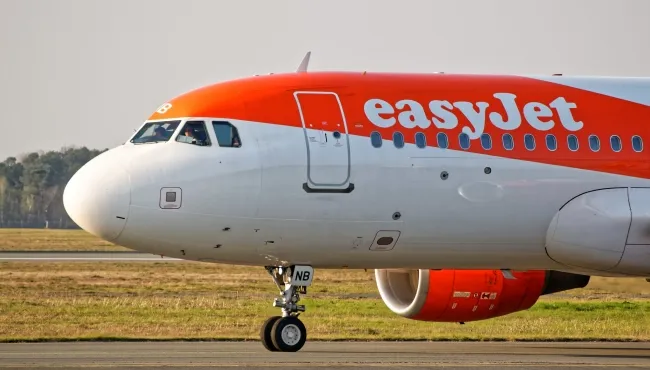
Q. We’d like to replace the XC fleet.
A. Come back in 10 years when they’re due replacing.
You mean like the class 350's which are a similar age?
TPE work on having 46 out of 51 Class 185 units in service every day but it only needs one to hit an object on the line and damaged parts can keep it out of action for weeks if not months. Apparently Northern still have a 195 out of action 2 years after derailing near Grange-over-Sands.
The older a fleet becomes the harder it gets to keep a 90% in service ratio. If we order what we need today for trains planned to run for 30+ years and then hope to increase passenger numbers we'd better have a plan for adding more compatible capacity before that extra demand is choked off just as it is today.
Which was why I initially designed the fleet to be 44 out of 52. The reduction to 90% was a step which could be taken if the Treasury said no to the original specification.
However, I would still require an option for more units so that more could be ordered.
If the option was for up to 5 years from order (or 3 years from last unit delivery the timing of either would be similar) you'd just about have enough time to see if the new trains were likely to result in additional passengers to justify a few more units.
However, even with all the spares units begin the 9 coach sets you'd still see a fleet seating capacity uplift of 17% (so not much different to that seen for the class 800's vs the HST's at GWR).
The other thing that would be worth looking at is those GWR units which are being extended is to keep them with 3 engines but the other two coaches which should have engines under them add in batteries.
That could give GWR (and if replicated for XC) a noticeable fuel bill saving.
It's potentially enough that services to Didcot (definitely Oxford) and Weston-super-Mare could be run as a battery train whist services to Swansea and through the Chilterns could be Hybrid running (batteries used to boost the performance of the remaining engines)
The lack of electrification could currently be a limiting factor in a 2 engine 1 battery 5 coach unit.
However, whilst it means the need for new batteries (across the GWR and XC class 800 fleets) it does mean that rather than having to build lots of new engines you would far fewer.
As the batteries wouldn't be reducing the need for the number of engines across the fleets, the cost of adding the batteries is likely to be less than if the number was reducing the numberof engines.
Previously I'd not considered lengthening the class 802's at GWR, however you could also lengthen some of them too to further maximise the capacity at GWR without increasing the number of coaches.
That could mean the GWR fleet would be (in brackets, current fleet):
5 coach class 800 - 12 (36)
5 coach class 802 - 11 (22)
9 coach class 800 - 30 (21)
9 coach class 802 - 25 (14)
It's not always the easiest to understand the impact, so if we count a 9 coach set as 2 train units and a 5 coach set as 1 train unit:
Currently 128 train units
Future fleet 133 train units
Even though the number of coaches at GWR remains unchanged.
I terms of power pack orders
All diesel
XC fleet 135 diesel
GWR fleet 40 diesel
Total 175 diesel
By going 3 diesel and 2 battery in the 9 coach sets
XC fleet
60 new diesel
24 batteries
see below for transfers from GWR
GWR fleet
45 diesel transfer within their 5 coach sets to XC
70 diesel are extracted for use in new sets
110 batteries