Starmer was also accused of breaking Covid rules by allowing a voice coach to visit him in Tier 4, when she came from a Tier 1-3 zone, such travel being banned at the time. The police refused to investigate since it only came to light outside a three-year time limit. If it was identified earlier, it would have been interesting.There were very different rules in place in April 2021 when the "beergate" events took place compared with the rules in place at the end of 2020 when the "partygate" activities took place, but you know that.

-
Our new ticketing site is now live! Using either this or the original site (both powered by TrainSplit) helps support the running of the forum with every ticket purchase! Find out more and ask any questions/give us feedback in this thread!
You are using an out of date browser. It may not display this or other websites correctly.
You should upgrade or use an alternative browser.
You should upgrade or use an alternative browser.
The Conservative Party under Kemi Badenoch
- Thread starter Cowley
- Start date
Sponsor Post - registered members do not see these adverts; click here to register, or click here to log in
R
RailUK Forums

Jenrick is a fraud. I’ve always thought so. This quote proves it.
Funny how many of the current Conservative Party Nigel has talked smack about but is happy (needs to) swipe from said party to have people in place should he win the next election.
The vast majority of those 23 are former MPs who lost their seat at the last election. Starmer has suspended several of his MPs, at least one of which has gone off to form her own party.And leaving the party is more significant than leaving the front bench.
Pot kettle black or greenhouse stone throwing?
I would also disagree, losing ministers is far more significant in the effect it has on people. You end up having to have a reshuffle to appoint new ministers, which often disrupts the work of government departments.
I think it's a perfectly fair comment for the leader of the opposition to make, it doesn't require any hallucinations about being still in government.

brad465
Veteran Member
While I wouldn't rule out Jenrick joining Reform UK, long term Farage would be foolish letting him in. Jenrick has too much of an ego and ambitions for the top to be able to work for Farage; the latter will not want anyone prepared to challenge him in the party. This is why I do not see Truss joining the party either, even though all things considered she absolutely would if she could.
Somebody's got to have leadership ambitions. Poor set-upon Nige hasn't got the time to be Prime Minister, not when he's already got so many other jobs.While I wouldn't rule out Jenrick joining Reform UK, long term Farage would be foolish letting him in. Jenrick has too much of an ego and ambitions for the top to be able to work for Farage; the latter will not want anyone prepared to challenge him in the party. This is why I do not see Truss joining the party either, even though all things considered she absolutely would if she could.
nr758123
Member
Robert Jenrick - the only MP whose constituency is an anagram of what people think of him.

43096
On Moderation
- Joined
- 23 Nov 2015
- Messages
- 18,848
Oh how sad… Tory boy has been fired.
Too many failed Tories joining Farage’srabble cult may actually be dangerous to Reform. The more they resemble the Tories the more likely the electorate is to see through them?
Too many failed Tories joining Farage’s
I agree with Chris Mason at the BBC: https://www.bbc.co.uk/news/live/crmdmkg8gymt
He was happy to stick around when Kemi Badenoch was floundering, but now she’s not his personal ambition of taking over from her isn’t going to happen."He has been overwhelmed by personal ambition in a Macbeth type way" his former colleague claimed.
"Kemi is getting better and his ambition wasn’t being sated. And he’s lost his mind."
Tellingly, a few hours on from this story breaking, we have heard nothing from Robert Jenrick, to hear his side of the story, while plenty of others drip sharp words into reporters’ ears.
Somebody's got to have leadership ambitions. Poor set-upon Nige hasn't got the time to be Prime Minister, not when he's already got so many other jobs.
One of the problems with Reform is that they have limited ministerial experience - probably one of the issues which Labour faced when assuming power. Having some former Tory ministers would help redress that, and also widen the party so that it is not only Nigel Farage. Whether Jennick fits that profile is a separate discussion. Whether this will ultimately lead to a merger of the parties, or agreements not to stand against each other at the next election remains to be seen.
Oxfordblues
Member
- Joined
- 22 Dec 2013
- Messages
- 1,127
It is May 2029 and one of the Dimblebys has just announced the results of the General Election in England*: Reform 20%, Labour 20%, Lib-Dems 20%, Greens 20% and the Tories 20%. Clearly for the government to continue there needs to be a coalition of some sort. But Reform won't work with Labour, Lib-Dems or Greens; Labour won't cooperate with Reform or the Tories; the Greens will reject both Tories and Reform; etc. So which two parties will coalesce, as it were? Whichever it is, they'll still have, at 40%, no overall majority. Outcome: months of haggling and stalemate. Somebody please reassure me this won't happen!
(* in Wales and Scotland Plaid Cymru and the SNP respectively might well win majorities)
(* in Wales and Scotland Plaid Cymru and the SNP respectively might well win majorities)
It is May 2029 and one of the Dimblebys has just announced the results of the General Election in England*: Reform 20%, Labour 20%, Lib-Dems 20%, Greens 20% and the Tories 20%. Clearly for the government to continue there needs to be a coalition of some sort. But Reform won't work with Labour, Lib-Dems or Greens; Labour won't cooperate with Reform or the Tories; the Greens will reject both Tories and Reform; etc. So which two parties will coalesce, as it were? Whichever it is, they'll still have, at 40%, no overall majority. Outcome: months of haggling and stalemate. Somebody please reassure me this won't happen!
(* in Wales and Scotland Plaid Cymru and the SNP respectively might well win majorities)
It might result in a coalition of Labour, Green, Lib Dem - plus Alliance, SDLP, People Before Profit and possibly the PUP
Even if the overall vote share was that even, it's unlikely the distribution of votes would mean the seats would end up that way. Just looking at the last election for what was the three main parties: Labour 33.7% vote, 63.2% seats; Conservatives 23.7%, 18.6%; LibDems 12.2%, 11.1%It is May 2029 and one of the Dimblebys has just announced the results of the General Election in England*: Reform 20%, Labour 20%, Lib-Dems 20%, Greens 20% and the Tories 20%. Clearly for the government to continue there needs to be a coalition of some sort. But Reform won't work with Labour, Lib-Dems or Greens; Labour won't cooperate with Reform or the Tories; the Greens will reject both Tories and Reform; etc. So which two parties will coalesce, as it were? Whichever it is, they'll still have, at 40%, no overall majority. Outcome, months of haggling and stalemate. Somebody please reassure me this won't happen!
(* in Wales and Scotland Plaid Cymru and the SNP respectively might well win majorities)
We are potentially over 3 years out from the next election, but the seat projections on https://en.wikipedia.org/wiki/Opini...ted_Kingdom_general_election#Seat_projections have either an outright Reform majority, or one where they're short by less than the number of Conservative seats.
Never say never, but the most 'even' election result in the last century was 2010, and that only resulted in everyone but the Conservatives and Labour getting 35%.
A 'rainbow coalition' like that was suggested in 2010, but I'm unconvinced that there is sufficient common ground that they can make "anyone but theIt might result in a coalition of Labour, Green, Lib Dem - plus Alliance, SDLP, People Before Profit and possibly the PUP
Potentially the most likely outcome would be a minority Reform government, with the other parties waiting for the inevitable implosion and another election.
Badenoch has previously ruled out electoral pacts at a national level. We'll have to see if the current poll trends of Reform coming off their peak and the Conservatives creeping up continue. That might stave off that kind of talk if it can be positioned it's only the nuttier fringes that are defecting.One of the problems with Reform is that they have limited ministerial experience - probably one of the issues which Labour faced when assuming power. Having some former Tory ministers would help redress that, and also widen the party so that it is not only Nigel Farage. Whether Jennick fits that profile is a separate discussion. Whether this will ultimately lead to a merger of the parties, or agreements not to stand against each other at the next election remains to be seen.
At this stage, that is all she could say. Nearer the election, if the choice was between another split right wing vote to let Labour in again, or an 'agreement', then the latter would prevail.Badenoch has previously ruled out electoral pacts at a national level. We'll have to see if the current poll trends of Reform coming off their peak and the Conservatives creeping up continue. That might stave off that kind of talk if it can be positioned it's only the nuttier fringes that are defecting.
Wasn't 2010 in the same century as now?Never say never, but the most 'even' election result in the last century was 2010, and that only resulted in everyone but the Conservatives and Labour getting 35%.

Century as in the last 100 years.Wasn't 2010 in the same century as now?
weeklycommuter
Member
- Joined
- 2 Feb 2019
- Messages
- 1,039
Robert Jenrick then Andrew Rosindell now Suella Braverman all defecting from the Conservative Party to Reform UK.
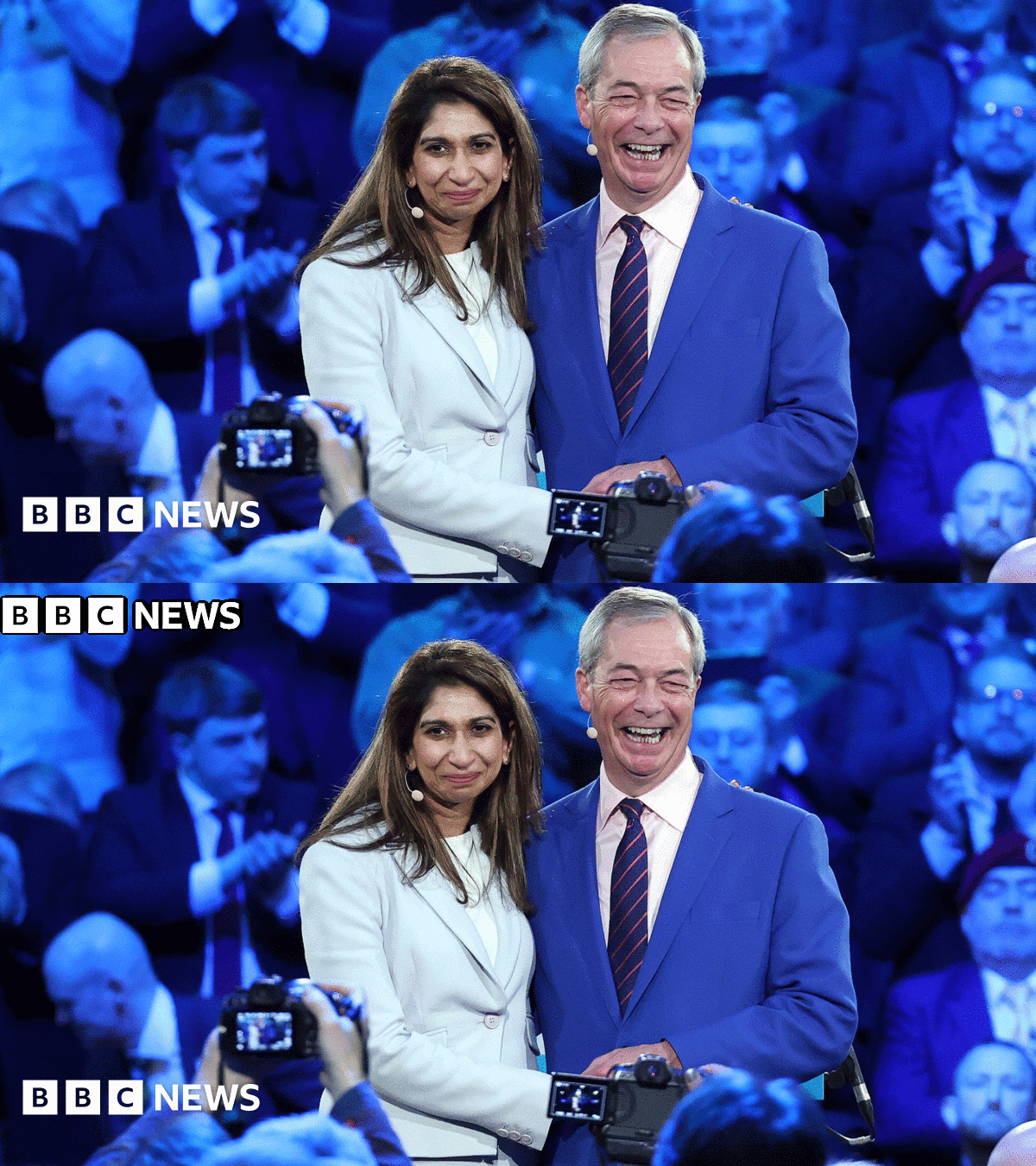
Ex-Tory Home Secretary Suella Braverman defects to Reform UK
The MP was unveiled as Reform's latest recruit by leader Nigel Farage at a rally, bringing the number of the party's sitting MPs to eight.www.bbc.co.uk
Paul Seddon Political reporter
Published 26 January 2026, 12:20 GMT
Former Home Secretary Suella Braverman has become the latest Conservative MP to defect to Reform UK.
She becomes the third sitting Tory MP to join Nigel Farage's party in the last eleven days, and takes Reform's tally of MPs to eight.
Unveiled at a rally in London, Braverman told Reform supporters she had also resigned her Tory membership of 30 years, adding: "I feel like I've come home."
Her defection comes hot on the heels of Robert Jenrick and Andrew Rosindell, who also left the Conservatives earlier this month.
Robert Jenrick then Andrew Rosindell now Suella Braverman all defecting from the Conservative Party to Reform UK.
I always felt that Reform were a bit light in governmental experience, something which Labour has suffered with. These defections help plug these gaps.
If Zahawi, Jenrick & Braverman are ‘help’, I hope I never need it.I always felt that Reform were a bit light in governmental experience, something which Labour has suffered with. These defections help plug these gaps.
Last edited:
Nicholas Lewis
Established Member
This is playing out well for Kemi with the right wing nut jobs walking off to Reform and getting two for the price of one as voters see Reform as just full of failed Tory politicians. I also see an internal power struggle looming for Reform and more diminution of their vote.I don't think I ever would vote Tory but they are certainly a lot more appealing without Jenrick and Braverman. If Badenoch can move to the centre, she may be able to recover some ground.

Class73Electro
Member
have been wondering...I don't think I ever would vote Tory but they are certainly a lot more appealing without Jenrick and Braverman. If Badenoch can move to the centre, she may be able to recover some ground.
if all the ERG / furthee rights leave for Reform, could that leave the Conservatives as "Centre Right", and Reform "further Right" - is this now essentially the split in the Conservatives that the Brexit vote hoped to stop?

Strathclyder
Established Member
And in other news, the sun sets in the west every evening.Robert Jenrick then Andrew Rosindell now Suella Braverman all defecting from the Conservative Party to Reform UK.
In other words, hardly a surprise. She fits right in with that gang of kool-aid drinking, ring-kissing quislings. Only thing that I'm at all surprised by is that it took this long.

If it lasts then yes (though not necessarily along exactly the same faultline) - the Right's equivalent of what happened on the Left in the early years of the last century.have been wondering...
if all the ERG / furthee rights leave for Reform, could that leave the Conservatives as "Centre Right", and Reform "further Right" - is this now essentially the split in the Conservatives that the Brexit vote hoped to stop?
weeklycommuter
Member
- Joined
- 2 Feb 2019
- Messages
- 1,039
Reading the following news report I conclude that Kemi Badenoch wants everyone on the Reform UK wing of the Conservative Party to switch to Reform UK and everyone on the Centre Right One Nation wing of the Conservative Party to switch to the Liberal Democrats. The problem with that is there will be no Conservative Party as everyone in the Conservative Party will have switched to another party.have been wondering...
if all the ERG / furthee rights leave for Reform, could that leave the Conservatives as "Centre Right", and Reform "further Right" - is this now essentially the split in the Conservatives that the Brexit vote hoped to stop?
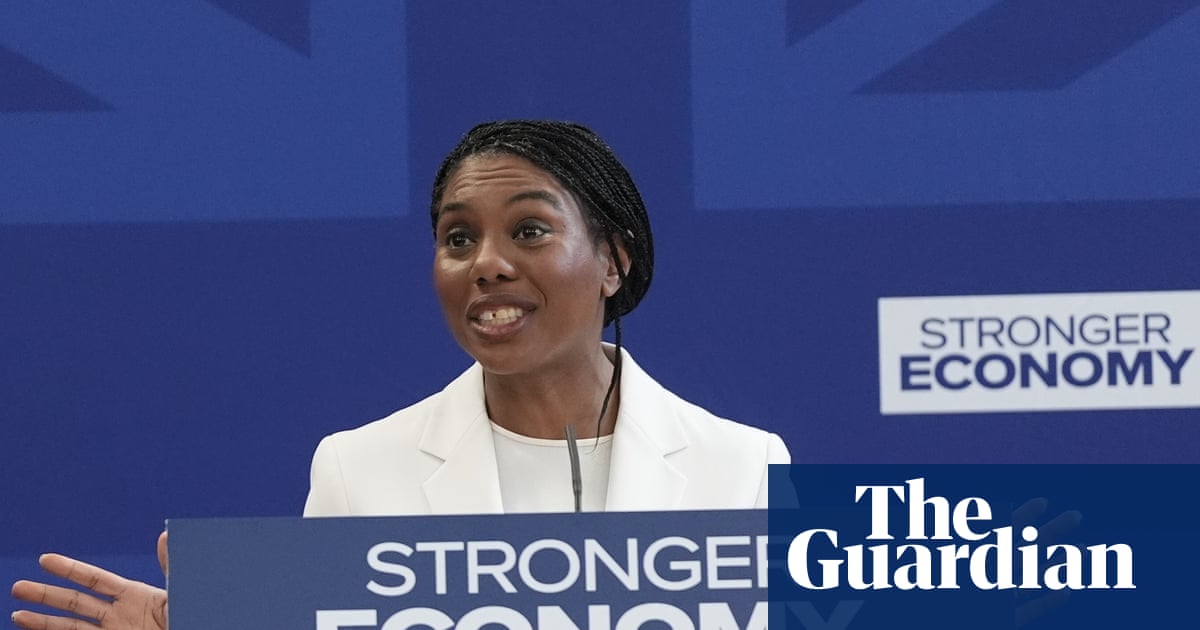
Centrist ideas no longer wanted in Conservative party, says Kemi Badenoch
Party leader tells MPs that one-nation Tories doubting her rightward direction ‘need to get out of the way’www.theguardian.com
Centrist ideas no longer wanted in Conservative party, says Kemi Badenoch
Party leader tells MPs that one-nation Tories doubting her rightward direction ‘need to get out of the way’
Peter Walker Senior political correspondent
Wed 28 Jan 2026 13.53 GMT


Exactly.....as all the most vile and loathesome members of her party are seemingly heading to Reform, she should consider this a bit like a bout of Norrovirus......an opportunity for a quick and violent removal of some vomit and excrement for the better in the long run!When will they learn that trying to chase Reform on the right is a bad strategy? They will be better off laying low to let the nutters at Reform run out of steam and people will slowly start crawling back
I wonder what will happen in 3 years time when the vile and loathesomes come crawling back.......?

Exactly.....as all the most vile and loathesome members of her party are seemingly heading to Reform, she should consider this a bit like a bout of Norrovirus......an opportunity for a quick and violent removal of some vomit and excrement for the better in the long run!
I wonder what will happen in 3 years time when the vile and loathesomes come crawling back.......?
She seems to have reached an extraordinarily wrong conclusion about all of this doesn’t she?
I thought she’d performed quite well recently and maybe she was going to start building her party back into something a little more serious again. But no, back to having a fight with herself in an empty telephone box.


317 forever
Established Member
Andy Street and Ruth Davidson are promoting this Prosper UK group to encourage the party to return to the centre ground and to appeal to the 7 million apparently homeless voters.
Conspicuously, it is so far just former politicians endorsing this new group.
They say they support Kemi for PM, but I think they are only saying this in the name of party unity. A bit like when Michael Howard was Leader.

 prosperuk.com
Conspicuously, it is so far just former politicians endorsing this new group.
They say they support Kemi for PM, but I think they are only saying this in the name of party unity. A bit like when Michael Howard was Leader.
Prosper UK - About
Prosper UK is bringing people together who share our values, care about the future of the country, and want politics to work better.
prosperuk.com