It was the following day. Yes, there was plenty of vomiting on the journey, but not by me!Are you sure that was food poisoning? I know from experience that it is possible to have a severe stomach upset on an Irish Sea ferry without having eaten anything at all.
(Rosslare/Fishguard, as it happens)

-
Our new ticketing site is now live! Using either this or the original site (both powered by TrainSplit) helps support the running of the forum with every ticket purchase! Find out more and ask any questions/give us feedback in this thread!
You are using an out of date browser. It may not display this or other websites correctly.
You should upgrade or use an alternative browser.
You should upgrade or use an alternative browser.
LNERs binned sausage rolls served to rail passengers
- Thread starter Halwynd
- Start date
- Status
- Not open for further replies.
Sponsor Post - registered members do not see these adverts; click here to register, or click here to log in
R
RailUK Forums
swt_passenger
Veteran Member
- Joined
- 7 Apr 2010
- Messages
- 34,300
They could wait a few weeks and start selling ‘emulsified high-fat offal tubes’, as proposed back in Jim Hacker’s time…How long before Sausage Rolls disappear from LNER menus due to the PR fallout from this?


dk1
Veteran Member
On the railway bin bag loads of perfectly edible products are disposed of daily. Even sandwiches on a trolley that have been out of the fridge for more than a few hours are thrown away. At one most time these were given to staff by being placed into messroom fridges but that got stopped for one reason or another.How much food is wasted due to arbitrary use-by dates? My dinner tonight will be two sausage rolls that were use by yesterday. I expect I'll survive.
== Doublepost prevention - post automatically merged: ==
The cheese and tomato ones made with Craft slices were delicious. My step brother and I once got through five between us on a one hour journeyMakes a change from curled up BR sandwiches of 1970s - 80s fame.
 Was terribly open to fraud from catering staff members bringing in their own bread/fillings etc but then so was much of Travellers Fare back in the day.
Bertie the bus
Established Member
- Joined
- 15 Aug 2014
- Messages
- 3,216
Having had a brief read of that it appears his case was he hadn’t done what he was accused of, until he was advised the tribunal couldn’t rule in his favour if that was the case, and then he had done what he was accused of, but he couldn’t remember, but he could remember the sausage rolls in the bin were wrapped when they weren’t wrapped completely.This seems to be the case: https://assets.publishing.service.g...astern_Railway_Limited_2502343-23_Reasons.pdf
It seems to be a travesty that he didn’t win

Last edited by a moderator:

The claimant did seem to miraculously change his position when the tribunal highlighted the paradox that you can't be discriminated against over an event that it's your position didn't happen at all. Interesting how that wasn't identified in advance when he was being represented by a barrister, but we of course don't know the circumstances or instructions.
The other thing that struck me as a bit incredible is that the case took five hearing days. That seems like a huge amount of time.
The other thing that struck me as a bit incredible is that the case took five hearing days. That seems like a huge amount of time.
Last edited by a moderator:
MagisterLudi
Member
- Joined
- 6 Apr 2017
- Messages
- 84
Schrodinger's Union. The rep eating itself, rather than the sausage rolls.

They'd already been cooked for a previous order which was then cancelled. Assuming they hadn't been sat there for hours I'd have been tempted to offer them out as free sausage rolls just telling the passengers they're not guaranteed to be hot and can't be reheated due to the food safety policy. Unless LNER have a specific food safety policy about serving them within X number of minutes of cooking of course.Over date? Too long unrefrigerated? Hygiene regs are strict (and have been for decades - I recall a catering manager at a large new department store being dismissed for similar over 40 years).
Loads, which I recently ranted about over at https://www.railforums.co.uk/threads/supermarkets-discussion.241821/. I was mainly discussing the problem of intentional food over-production, but there is another issue with unnecessary best before and use by dates in some cases. More on that below...How much food is wasted due to arbitrary use-by dates? My dinner tonight will be two sausage rolls that were use by yesterday. I expect I'll survive.
So there are differences in the dates shown on packaging:Sure and the odds of you being ill are remote in the extreme. My experiences are similar with using stuff a day or two beyond use by dates (the sniff test works wonders
Plus it's worth noting a use-by date will be based on some actual testing of the product in question to help determine how long, in the correct storage conditions, it will be safe to eat. So it's not just an arbitrary date.
- Use by dates are dates at which items become unsafe to eat. Some food by law must have use by dates on them. Due to the pork in the sausage rolls, they'll have a use by date. It is a criminal offence to sell or even give away food beyond a use by date (the exception being if you freeze it before the use by date).
- Best before dates are dates at which food quality is expected to have dropped, but they ought to be safe to eat if stored correctly.
- Display until dates are just a shop-specific concept about when staff should reduce/take things off shelves, based on some clever prediction about when they're likely to be unsalable (either due to safety or quality).
There is also an issue of some foods being given use by dates when they actually could be best before dates, or no date at all, since they're not required.
Many supermarkets have also ditched display until dates on say fresh fruit and veg, because a lot of customers just pluck for the one with the later date on it, so the desired natural stock rotation doesn't occur. The dates are still there on packaged fruit and veg actually, but coded so staff can understand it, but customers who haven't looked into it deep enough just pick the first things (or freshest looking) thing in front of them.
An offence would be committed by serving a sausage roll past its use by date on an LNER train, even if it was given away for free, because it's safety.
Of course at home, I apply my own sense. I wouldn't cook meat past its use by date and serve it to guests, but I would absolutely eat it myself a lot of the time. Best before date foods I ignore the date almost entirely.
However this is all a bit moot as the issue appears to have not been related to use by dates, but the picking (admittedly wrapped in foil) food out of an (admittedly empty) bin, and reheating twice-cooked meat products. You can't do that and expect to get away with it. And even if the disability angle stacked up, if the disability renders an employee unable to conduct their role safely, then they could be dismissed anyway.

Tetchytyke
Veteran Member
I’m surprised the union supported him as far as that, rather than giving him the legal advice that he’s wasting everyone’s time.
You can't do that. They'd been put in a bin along with whatever else was in there.Assuming they hadn't been sat there for hours I'd have been tempted to offer them out as free sausage rolls just telling the passengers they're not guaranteed to be hot and can't be reheated due to the food safety policy.
Their excuse was pretty silly, as was the excuse of this person's colleague who blamed their laughed on having farted.I’m surprised the union supported him as far as that, rather than giving him the legal advice that he’s wasting everyone’s time.
== Doublepost prevention - post automatically merged: ==
I mean as an alternative to binning them in the first place.You can't do that. They'd been put in a bin along with whatever else was in there.
Though for what it's worth, based on the colleague who reported them's report, the bin was allegedly empty
But no, you obviously can't serve food out of a bin.It's a bit more than that. It's so that customers can purchase a product with confidence that it will still be fit for consumption for a period of time after purchase.Display until dates are just a shop-specific concept about when staff should reduce/take things off shelves, based on some clever prediction about when they're likely to be unsalable (either due to safety or quality).
A good example is cut flowers (not a food product but it's a good example to demonstrate the point). They don't need a use by or best before date but they will have a display until date. They will get removed from sale when they're still perfectly good. Why is this? It's because a customer will only buy cut flowers if they know they will last a few days - if they start to die the next day it results in reputational damage and the customer not buying flowers from that shop again.
Probably getting a bit off topic and better for the supermarkets discussion thread I would suggest.It's a bit more than that. It's so that customers can purchase a product with confidence that it will still be fit for consumption for a period of time after purchase.
A good example is cut flowers (not a food product but it's a good example to demonstrate the point). They don't need a use by or best before date but they will have a use by date. They will get removed from sale when they're still perfectly good. Why is this? It's because a customer will only buy cut flowers if they know they will last a few days - if they start to die the next day it results in reputational damage and the customer not buying flowers from that shop again.
FWIW, I bought flowers from Tesco today and they did not have a use by date. They correctly had a display until date.
Gloster
Veteran Member
I’m surprised the union supported him as far as that, rather than giving him the legal advice that he’s wasting everyone’s time.
It might be a stroppy rep, but it is also possible that Duffy insisted on the claim going ahead and the rep. was primarily concerned to ensure that the whole process is carried out according to the appropriate procedures. The risk for the union is that if they don’t represent him LNER might pull a procedural fast one and then use it as a precedent in fixture. How far the rep. pushed the matter I do not know, but s/he should at least show willing.
My understanding of reading the judgement differs; the above post appears to be taking the ex-employee's initial claims at face value, however the area was covered by CCTV, and the judgement document includes the following:...but the picking (admittedly wrapped in foil) food out of an (admittedly empty) bin...
...When Ms Gray said it was not the case there was no rubbish
in the bin the claimant said ‘I can see where you are coming from but I am a
person who goes over and beyond for the customer. The sausage rolls were in
foil.’ Ms Gray then pointed out that the footage showed rubbish had been put in
the bin...
The ex-employee appeared to change their mind on various matters, as more evidence came to light....The claimant said on a number of occasions in this meeting that the
sausage rolls removed from the bin were wrapped in foil. When Ms Gray said
the CCTV showed they weren’t, or were not completely wrapped, the claimant
said ‘I’m sure they were'...
Last edited:
Tetchytyke
Veteran Member
Having read the written reasons, he’s lucky that LNER didn’t try and seek costs from him. Quite a few employers would have done.Their excuse was pretty silly
The union representing him in the disciplinary process, yes.It might be a stroppy rep, but it is also possible that Duffy insisted on the claim going ahead and the rep. was primarily concerned to ensure that the whole process is carried out according to the appropriate procedures.
But supporting him in the tribunal claim? Sometimes the best legal advice is to give up.
Given how much he changed his story even in the tribunal hearing, he was definitely skating on thin ice. It is not common but costs can be awarded against claimants.
True, but some self awareness wouldn't have gone amiss. If he just "took the L", nobody would know who he was. Now everybody does and he will find decent employment hard to come by.In fairness you can claim almost anything, but as this individual has found out doesn't mean that you'll be proven right in that claim!

QueensCurve
Established Member
- Joined
- 22 Dec 2014
- Messages
- 2,203
I am aware of an incident in which a famous London restaurant served Yorkshire puddings which had been retrieved from the bin.A train worker who was sacked after first class passengers were served sausage rolls from a bin has said he was going "over and beyond for the customer".
Peter Duffy, who worked for London North Eastern Railway (LNER), was accused of preparing sausage rolls he had "retrieved from a bin", which were then served to passengers by a colleague.
Another member of train crew reported hearing laughter from the kitchen before the food was served and made a complaint after noticing sausage rolls that were in the bin had disappeared......
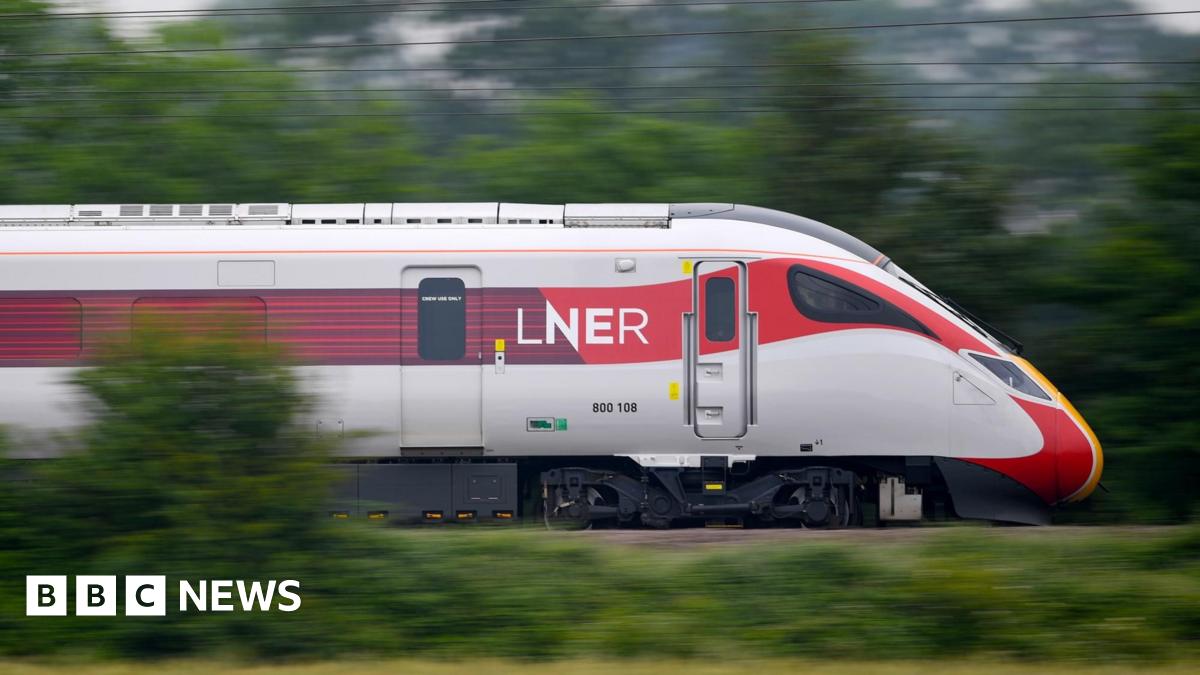
LNER worker sacked for serving binned sausage rolls to passengers
LNER worker Peter Duffy's claims for unfair dismissal are dismissed by a tribunal.www.bbc.co.uk
It appears to be the project manager, Ms Gray, who upon reviewing CCTV footage has given an account inconsistent with what the staff member suspecting the sausage rolls had been taken out of the bin gave:My understanding of reading the judgement differs; the above post appears to be taking the ex-employee's initial claims at face value, however the area was covered by CCTV, and the judgement document includes the following:
The ex-employee appeared to change their mind on various matters, as more evidence came to light.
After I had finished my food I took my rubbish to the bin in the kitchen and
this is when noticed the bins were empty and there were no sausage rolls
in the bin.
Sounds like an utter mess either way, and of course sackable whether the bins were empty or not.
Regarding the wrapped in foil, I don't see any inconsistency in the ex employee's testimony? They claimed they were wrapped in foil, were challenged on that by the PM, and reiterated that they were sure they were foiled.
Undiscovered
Member
- Joined
- 28 Jan 2013
- Messages
- 554
The sad thing is that there were perfectly good sausage rolls, in the fridge. They just needed heating up. How long does that take?
Edit: why not have the host go back to the passengers, say "Chef will cook them fresh, it'll be about X minutes. Is that ok?" And then go from there.
Edit: why not have the host go back to the passengers, say "Chef will cook them fresh, it'll be about X minutes. Is that ok?" And then go from there.
Last edited:

trainophile
Established Member
The sad thing is that there were perfectly good sausage rolls, in the fridge. They just needed heating up. How long does that take?
Are they pre-cooked, in which case a couple of minutes, or like Greggs where the pastry is raw and the rolls take about 10-15 minutes to cook to sellable condition?
The sad thing is that there were perfectly good sausage rolls, in the fridge. They just needed heating up. How long does that take?
They had already been heated. Given they are likely pre-cooked, this means cooking them three times, which is a no-no.
Then tossed into the bin. Taking food out of a bin, empty or not, is a no-no.

They had already been heated. Given they are likely pre-cooked, this means cooking them three times, which is a no-no.
There were also uncooked sausage rolls in the fridge.
There were also uncooked sausage rolls in the fridge.
Yes I saw that in the judgement. Truly ridiculous situation.
Undiscovered
Member
- Joined
- 28 Jan 2013
- Messages
- 554
Are they pre-cooked, in which case a couple of minutes, or like Greggs where the pastry is raw and the rolls take about 10-15 minutes to cook to sellable condition?
I would expect catering equipment would be quicker and more efficient than in a domestic kitchen.
Why not have the host go back to the passengers, say "Chef will cook them fresh, it'll be about X minutes. Is that ok?" And then go from there.
== Doublepost prevention - post automatically merged: ==
The tribunal report states there were sausage rolls available in the fridge. They required preparing, before being served to passengers, which would take time, so the previously prepared ones were retrieved from the bin, and served.They had already been heated. Given they are likely pre-cooked, this means cooking them three times, which is a no-no.
Then tossed into the bin. Taking food out of a bin, empty or not, is a no-no.
I would expect catering equipment would be quicker and more efficient than in a domestic kitchen.
Why not have the host go back to the passengers, say "Chef will cook them fresh, it'll be about X minutes. Is that ok?" And then go from there.
This seems like a wild discussion to me.
Do people really believe LNER are cooking non pre-cooked sausage rolls?
That takes like half an hour in the oven when I make them from scratch. Even if you could half it, that's not the LNER offering? They serve them in minutes.
I'd be very surprised (but happy to be corrected) if these weren't pre-cooked sausage rolls heated up.
== Doublepost prevention - post automatically merged: ==
The tribunal report states there were sausage rolls available in the fridge. They required preparing, before being served to passengers, which would take time, so the previously prepared ones were retrieved from the bin, and served.
Sorry, I'm a bit unclear on what you're disputing (if anything maybe?)
I would expect catering equipment would be quicker and more efficient than in a domestic kitchen.
Why not have the host go back to the passengers, say "Chef will cook them fresh, it'll be about X minutes. Is that ok?" And then go from there.
It's probably not as straightforward as that, it generally never is. It could be something as simple as the batch in the fridge were allocated for the next service.
Not necessarily inconsistent, but it does perhaps raise a question regarding whether other items were also removed, or if by "empty" she just meant empty of sausage roles, but I don't think it matters either way.It appears to be the project manager, Ms Gray, who upon reviewing CCTV footage has given an account inconsistent with what the staff member suspecting the sausage rolls had been taken out of the bin gave:
Yes, despite the CCTV evidence showing they were not completely foiled, it seems they didn't change their mind on that particular point, but they did accept that "they can't argue with that" when it was put to them that other items were, in fact, also placed in the bin.Regarding the wrapped in foil, I don't see any inconsistency in the ex employee's testimony? They claimed they were wrapped in foil, were challenged on that by the PM, and reiterated that they were sure they were foiled.
I think this is splitting hairs though.
== Doublepost prevention - post automatically merged: ==
I believe @Undiscovered is pointing out that there was, in fact, the option to heat sausage rolls that had not previously been reheated, and would have been good to serve, despite the ex-employee claiming there were none available.Sorry, I'm a bit unclear on what you're disputing (if anything maybe?)
Not that this makes a material difference to the case, but it does make it all the more bizarre.

ValentaFan1974
Member
- Joined
- 8 Jul 2014
- Messages
- 394
With my TOC, perishable items are temp checked when leaving the service centre and the temp noted on the delivery slip.
Once received on board, the items are temp checked again. 8C or under, they’re ok to be put in the fridge. Over 8C (even by 0.1C) they have to be timed and disposed of if not used within 4 hours even if put in fridge. Same applies to any item removed from fridge for more than a few minutes (in case you need to move items around or put them on trolley for sale). Fridge is also temp checked regularly and if that reads over 8C at any point, then all perishable items are timed and wasted after 4 hours. We’re authorised to reduce items in price if they’re close to 4 hours out (to avoid as much waste as possible) but once that 4 hours is up, no exceptions - it gets wasted. The rules are there for a reason and this guy was absolutely in the wrong to do what he did.
Once received on board, the items are temp checked again. 8C or under, they’re ok to be put in the fridge. Over 8C (even by 0.1C) they have to be timed and disposed of if not used within 4 hours even if put in fridge. Same applies to any item removed from fridge for more than a few minutes (in case you need to move items around or put them on trolley for sale). Fridge is also temp checked regularly and if that reads over 8C at any point, then all perishable items are timed and wasted after 4 hours. We’re authorised to reduce items in price if they’re close to 4 hours out (to avoid as much waste as possible) but once that 4 hours is up, no exceptions - it gets wasted. The rules are there for a reason and this guy was absolutely in the wrong to do what he did.
- Status
- Not open for further replies.