brad465
Veteran Member
Spurred on by an opinion piece earlier this month about "national service" for retired people (as an alternative to wealth taxes), that includes an image of people cutting back vegetation, combined with engineering works this weekend where vegetation clearance is ongoing, the above title came to mind.
There have been plenty of issues with lineside vegetation that have been mentioned/seen a lot, so I won't repeat these, but if we could deploy more manual labour to clear more vegetation, the level of disruption, especially in leaf fall season, will go down, which improves productivity and trust in the railways, while using volunteers is of lower expense. It could be open to anyone who wants to volunteer in it, but the most abundant target markets would be retired people (who are not living in care homes) and school/uni students looking for work experience.
The main drawback I can see is there must be some pretty tough Health & Safety barriers to overcome, especially as those volunteering are probably not aware of many of the dangers of working lineside. Another problem is volunteer availability and scheduled line closures to do this probably don't match up very well.
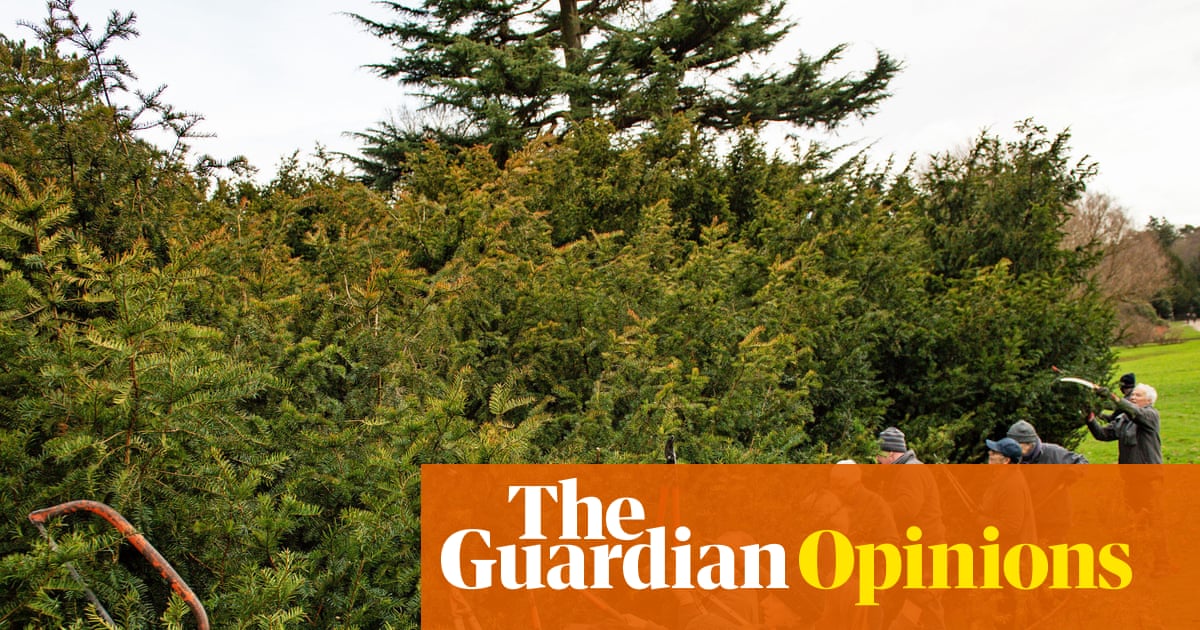
 www.theguardian.com
There have been plenty of issues with lineside vegetation that have been mentioned/seen a lot, so I won't repeat these, but if we could deploy more manual labour to clear more vegetation, the level of disruption, especially in leaf fall season, will go down, which improves productivity and trust in the railways, while using volunteers is of lower expense. It could be open to anyone who wants to volunteer in it, but the most abundant target markets would be retired people (who are not living in care homes) and school/uni students looking for work experience.
The main drawback I can see is there must be some pretty tough Health & Safety barriers to overcome, especially as those volunteering are probably not aware of many of the dangers of working lineside. Another problem is volunteer availability and scheduled line closures to do this probably don't match up very well.
If boomers don’t want wealth taxes they can give their time and skills | Phillip Inman
A nationwide volunteering programme designed to boost the economy could help mend a splintered society
www.theguardian.com
If we can’t have your money, baby boomers, we want your time. And more specifically, those who qualify as fit and healthy should be asked to serve in a new national service, offering some free days to a nationwide programme, designed locally, to boost the economy.
When a wealth tax is ruled out and council tax reform too difficult, leaving boomer incomes intact, No 10 should consider such a scheme, especially when it could help to mend a society splintered by almost two decades of austerity; not as a punishment for being the lucky generation, but to reuse and repurpose valuable skills, tackle loneliness and build community cohesion.
Young people are often the target of those who believe in national service, and that too could be an important initiative when there are about 1 million 16- to 24-year-olds neither in work, education or training.
But in 2025, asking boomers to put their shoulder to the wheel (one more time) matters because there could be more than half of the UK’s 12 million retirees, many of them after taking early retirement, with good health, few outgoings and decent pots of money who could be part of a national programme tapping into their skills and benefiting local services.
This would be a voluntary scheme and there should be some obvious grounds for exemption. Anyone who can show they regularly look after grandchildren, work in a community organisation or for a charity can opt out. Poor health would also provide a reason to withdraw.
This is not Rishi Sunak’s militaristic vision of national service. Army uniforms will be kept in the warehouse.
There would be a range of options that pensioners – anyone who wants to give something back, or give more back after a lifetime of public service – should find enticing and want to join.
The only element of coercion would be the need to actively opt out by attending a government office and saying no, thank you. Plenty of people will tick an opt-out box without a second’s thought. But plenty of people might sign up if they could join a scheme where they could enjoy the company of others and were properly managed.
It won’t be easy to set up or to run. Ask National Trust staff about how they handle the many volunteers who turn up to garden or show visitors around the charity’s many properties and they will say it’s a challenge.