Townsend Hook
Member
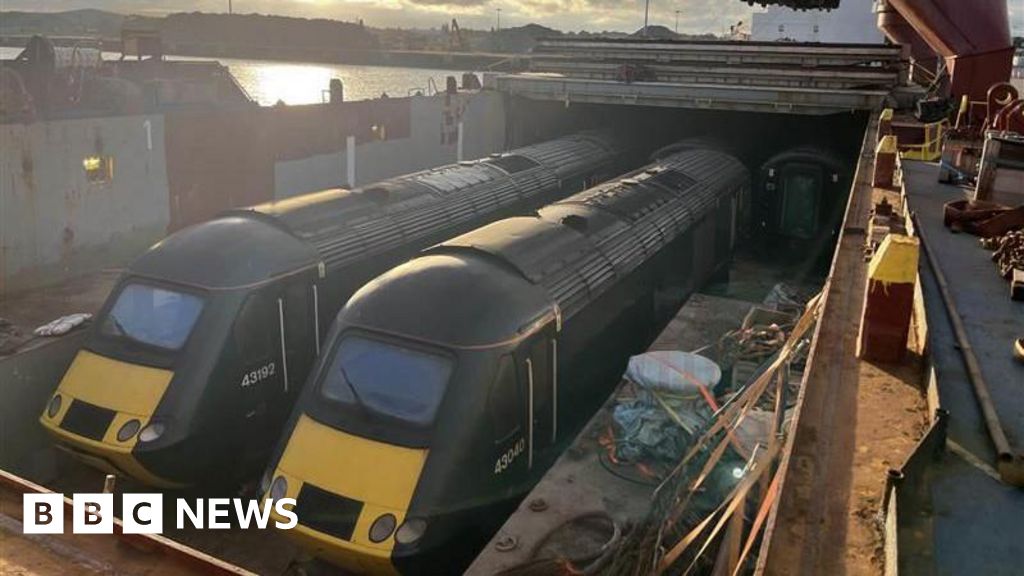
The four PLPR sets (which record at up to 100mph, and usually run with a 1Qxx or 1Zxx headcode) will generally run with 43s if there is a pair available and if it’s one of the circuits which is route-cleared for 43s throughout, otherwise it’s top and tail 37s unless Colas are really struggling in which case it might be one 37 and a DBSO. On the Southern Region circuits, GBRf class 73/9s on hire to Colas are used, unless none are available in which case 37s may be used. The five UTU sets (Ultrasonic Test Unit, record at 30mph/transit at 75mph, usually a 3Qxx or 3Zxx headcode) virtually always run with one 37 and a DBSO. Of course the NMT always runs with 43s, and these will currently be Colas ones because none of the Network Rail 43s designated for the NMT are operational..... So there is paperwork rather than just leaves on the track, so to speak.
As a railway photographer I use RTT to track the progress and expected time of arrival of trains at my chosen location spots and recently I have noticed some fairly wide fluctuations between early and late passing times.
Out of interest, apart from availability what are the factors which influence whether Class43 or 37 propel a Test Train?
== Doublepost prevention - post automatically merged: ==
Not as far as I’m aware.It's not to do with the traction/brake interlock (with the sliding door trailers) that the ex-XC power cars have, is it?