• Our new ticketing site is now live! Using either this or the original site (both powered by TrainSplit) helps support the running of the forum with every ticket purchase! Find out more and ask any questions/give us feedback in this thread!

UK switching to electric vehicles discussion

renegademaster

Established Member
Joined
22 Jun 2023
Messages
2,218
Location
Croydon
I'm not so sure about the Chinese, their home market has massively embraced EV's in 2022 the UK market saw 16% of new cars being EV's, in comparison China saw 23%. It should also be noted that the top 4 most popular new cars in April were all EV's with a further 2 in the top 10, with only one of the others being a pure ICE vehicle:


With numbers like that, why chase a tiny fraction of you home market to then sell a few extra half way around the world?

If there is any climb down, then it'll be one of the government's doing (mostly not enabling the required grid connections for large charging locations or not legislating to require enough chargers - see the new EU requirement for chargers linked to below).


Those with EV's are likely to wonder if such an EU ruling might not be too bad for the UK to also have, it would certainly overcome a lot of those objections often seen about lack of charger capacity in the UK road network (obviously it'll still be no good for those millions of people who drive the whole length of the west coast of Wales non stop twice a day to see family three times a week, so clearly not worth doing for those edge cases where people do long distance travel by mostly using motorways and stopping every few hours to get a drink and go to the loo!!!)

China's very good at mass producing niche things, and I don't see most of the developing world using EVs to same extent
 
Sponsor Post - registered members do not see these adverts; click here to register, or click here to log in
R

RailUK Forums

RailWonderer

Established Member
Joined
25 Jul 2018
Messages
2,217
Location
All around the network
So much lithium comes from China and other politically unstable regions, and the price could swing making those battery replacements very unaffordable soon.

There is so much oil in the world that even the Russian oil embargo didn’t push prices up for very long. The running of the vehicle itself being so dependant on one mineral spells disaster to me.
 

trebor79

Established Member
Joined
8 Mar 2018
Messages
4,910
So much lithium comes from China and other politically unstable regions, and the price could swing making those battery replacements very unaffordable soon.

There is so much oil in the world that even the Russian oil embargo didn’t push prices up for very long. The running of the vehicle itself being so dependant on one mineral spells disaster to me.
There isn't actually that much lithium in a lithium ion battery.
And most.of our petroleum comes from some fairly ropey parts of the world.
 

Bald Rick

Veteran Member
Joined
28 Sep 2010
Messages
35,874
So much lithium comes from China and other politically unstable regions, and the price could swing making those battery replacements very unaffordable soon.

It‘s not remotely in China’s interests to make the price of Lithium unaffordable, as they then wouldn’t be manufacturing all those consumer electronics either, and their economy would collapse.

Besides, Australia and Chile between them produce 5 times the amount of Lithium of China, so I’m afraid your statement is completely misinformed.
 

jon0844

Veteran Member
Joined
1 Feb 2009
Messages
30,919
Location
UK
There's also meant to be quite significant amounts of lithium in the UK.
 

RailWonderer

Established Member
Joined
25 Jul 2018
Messages
2,217
Location
All around the network
It‘s not remotely in China’s interests to make the price of Lithium unaffordable, as they then wouldn’t be manufacturing all those consumer electronics either, and their economy would collapse.
I meant if the west boycotted China in event of a war, which I would place serious money on that happening within the next 50 years. Even if you don't believe that will happen, batteries will need to be replaced after 10-20 years when the 3 year warranty will be long expired and the car will only be good for the scrapyard then, so resale value goes to 0. Plus there is far less lithium than oil at only 88 million tonnes, much of which is high investment and only viable to mine if the price increases threefold or more.

Motoring will only get less and less affoardable until the everyday motorist is thrown back into the dark ages, and it suits government perfectly well because they want less people driving and more people contributing to GDP growth locked up at home and using as few resources as possible. That's the way the world is heading.
 

stuu

Established Member
Joined
2 Sep 2011
Messages
3,770
I meant if the west boycotted China in event of a war, which I would place serious money on that happening within the next 50 years. Even if you don't believe that will happen, batteries will need to be replaced after 10-20 years when the 3 year warranty will be long expired and the car will only be good for the scrapyard then, so resale value goes to 0. Plus there is far less lithium than oil at only 88 million tonnes, much of which is high investment and only viable to mine if the price increases threefold or more.

Motoring will only get less and less affoardable until the everyday motorist is thrown back into the dark ages, and it suits government perfectly well because they want less people driving and more people contributing to GDP growth locked up at home and using as few resources as possible. That's the way the world is heading.
As long as they don't ration the tinfoil for our hats it will be fine
 

jon0844

Veteran Member
Joined
1 Feb 2009
Messages
30,919
Location
UK
We have a Government seeking to give oil companies more and more opportunities to keep pumping and drilling oil and gas, and taking plenty of cash donations from the oil and car industry to scale back green initiatives - both for energy generating and encouraging people to drive less.

So what Government does it suit to stop people driving??
 

Bald Rick

Veteran Member
Joined
28 Sep 2010
Messages
35,874
I meant if the west boycotted China in event of a war, which I would place serious money on that happening within the next 50 years. Even if you don't believe that will happen, batteries will need to be replaced after 10-20 years when the 3 year warranty will be long expired and the car will only be good for the scrapyard then, so resale value goes to 0. Plus there is far less lithium than oil at only 88 million tonnes, much of which is high investment and only viable to mine if the price increases threefold or more.

Motoring will only get less and less affoardable until the everyday motorist is thrown back into the dark ages, and it suits government perfectly well because they want less people driving and more people contributing to GDP growth locked up at home and using as few resources as possible. That's the way the world is heading.

You need to read up about it, and not believe (or make up) conspiracy theories.

It is estimated that there are 26 million tonnes of commercially mineable Lithium globally, although this figure has nearly doubled in a decade. Australia, Chile and Argentina have, between them, 70% of it; China has 7.5%. If China decided to commit economic suicide and start a war that caused it to withhold sales of one of the few valuable commodities it has, the market price would perhaps rise a little, but the world would barely notice.

You are right in that there is far less Lithium than oil, but then the average EV needs far less Lithium than a ICE car needs oil. A typical EV has maybe 10kg of Lithium in its battery pack, and that will be good for 200,000 miles. To do that much in an average ICE car will use 20,000 litres of petrol, which needs 45,000 litres - or around 40 tonnes - of crude oil.
 

RailWonderer

Established Member
Joined
25 Jul 2018
Messages
2,217
Location
All around the network
You need to read up about it, and not believe (or make up) conspiracy theories.

It is estimated that there are 26 million tonnes of commercially mineable Lithium globally, although this figure has nearly doubled in a decade. Australia, Chile and Argentina have, between them, 70% of it; China has 7.5%. If China decided to commit economic suicide and start a war that caused it to withhold sales of one of the few valuable commodities it has, the market price would perhaps rise a little, but the world would barely notice.

You are right in that there is far less Lithium than oil, but then the average EV needs far less Lithium than a ICE car needs oil. A typical EV has maybe 10kg of Lithium in its battery pack, and that will be good for 200,000 miles. To do that much in an average ICE car will use 20,000 litres of petrol, which needs 45,000 litres - or around 40 tonnes - of crude oil.
Fair point, but EVs are outright more expensive, though will definitely be more reliable.

I'm just skeptical when something goes stratespheric in such a short time and has no faults (I am a big EV nitpicker), from being a novelty a decade ago. Schemes to promote electric leave me wondering if there is a catch we will discover in a decade's time. It can't be all roses.
 

Bald Rick

Veteran Member
Joined
28 Sep 2010
Messages
35,874
Fair point, but EVs are outright more expensive, though will definitely be more reliable.

They are more expensive upfront (for now) but much cheaper to run, and when it comes to be time to trade in you will get more of the upfront cost back. So in whole life costs, cheaper.

The expectation is that EVs are on a par with ?ice in terms of up front cost within a couple of years - the price of battery technology keeps falling.

I'm just skeptical when something goes stratespheric in such a short time and has no faults (I am a big EV nitpicker), from being a novelty a decade ago. Schemes to promote electric leave me wondering if there is a catch we will discover in a decade's time. It can't be all roses.

The Tesla S was launched 2 years after the iPad. Are you an IPad nit picker too?
 

The Ham

Veteran Member
Joined
6 Jul 2012
Messages
12,036
China's very good at mass producing niche things, and I don't see most of the developing world using EVs to same extent

You're not going to create much profit from selling new cars to developing nations, so I'm not sure that's a great business plan either.

As for niche things, mostly there's still enough demand worldwide, it's just a case of shipping out to the places it's needed. Either that's done at scale, or by using the postal service.

The cost of shipping something weighing 100g to the UK is a little more than £1, as such for some things it's cheaper to distribute from China than it is from the UK!
 

trebor79

Established Member
Joined
8 Mar 2018
Messages
4,910
Fair point, but EVs are outright more expensive, though will definitely be more reliable.

I'm just skeptical when something goes stratespheric in such a short time and has no faults (I am a big EV nitpicker), from being a novelty a decade ago. Schemes to promote electric leave me wondering if there is a catch we will discover in a decade's time. It can't be all roses.
We've replaced both of our cars with EVs in the past 12 months. Haven't found a catch yet. 800 miles to holiday and back is costing about £40 in electricity and the journey took no longer than by ICE last year.
My regular 180 mile round trip to London costs £2 in electricity as I don't have to use any Superchargers for that, so can charge overnight at 7.5p/kWh.
 

Chester1

Established Member
Joined
25 Aug 2014
Messages
4,442
We have a Government seeking to give oil companies more and more opportunities to keep pumping and drilling oil and gas, and taking plenty of cash donations from the oil and car industry to scale back green initiatives - both for energy generating and encouraging people to drive less.

So what Government does it suit to stop people driving??

A large amount of UK oil reserves are used for plastics and chemical processes. I don't think we are even close to being self sufficient for petrol or diesel. I don't see a contradiction between "maxing out" North Sea oil and gas and going fully electric. If all new combustion engine cars, gas boilers, gas cookers and hobs were banned today we would need oil and gas for another 20 years to see out existing power stations, vehicles, boilers and appliances.

I find it odd the way the media says new petrol and diesel cars will be banned from 2030. Its technically true but gives people they impression they will have to buy an EV then rather than a hybrid or an EV. 2035 for EVs only gives more time for technology to improve.

Why aren’t new diesel cars being banned earlier than 2035? Why not 2025? Petrol and petrol hybrids are an adequate replacement and it would improve air quality quicker. With all the focus on diesel cars with ULEZ it seems odd that pure diesel cars will be on sale until 2030 and diesel hybrids until 2035. I know phasing out diesel for HGVs would be more complicated.
 

Energy

Established Member
Joined
29 Dec 2018
Messages
5,135
I'm just skeptical when something goes stratespheric in such a short time and has no faults (I am a big EV nitpicker), from being a novelty a decade ago. Schemes to promote electric leave me wondering if there is a catch we will discover in a decade's time. It can't be all roses.
There were catches, but they applied to earlier adopters a decade or so ago and have been learnt from.

For example the following were issues that no longer apply:
  • The Nissan Leaf didn't cool its battery properly so it could get too warm and degrade if you rapidly charged frequently in a hot climate.
    Now all electric cars on sale have proper liquid cooling for the battery
  • Short ranges
    Now most electric cars make around 200 miles with many going over 300 miles on a charge. Electric cars are now far more efficient and have bigger batteries.
  • Each charging network needing an app
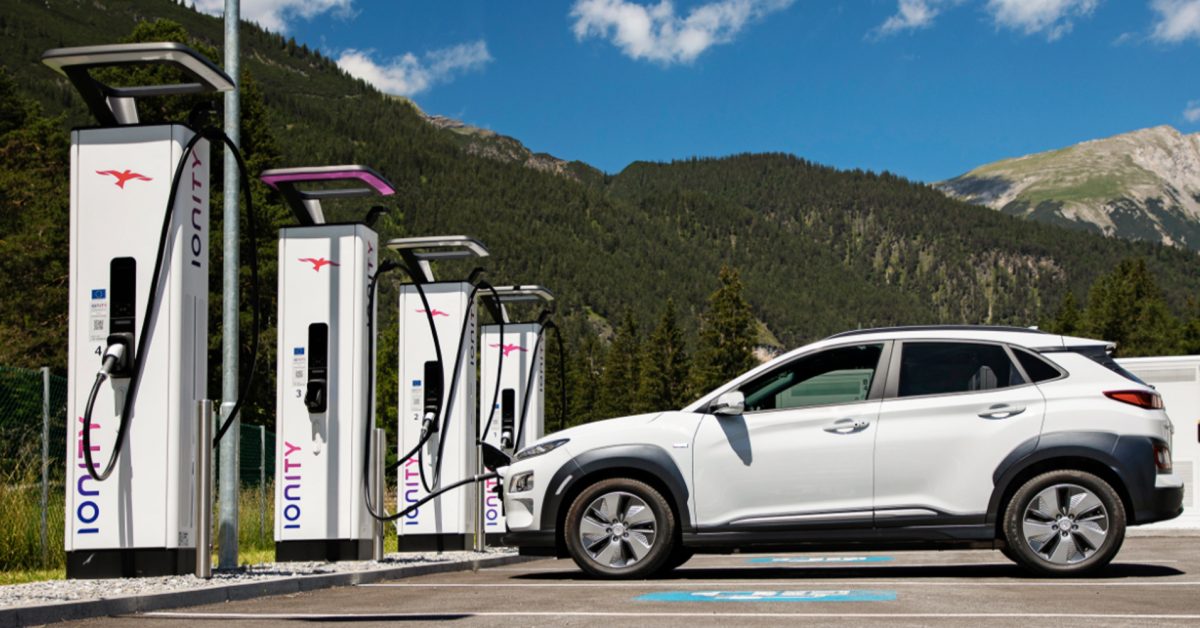
    Rapid chargers all (apart from Ionity) support contactless cards. Memberships do require apps but services like Zap Map charging and Octopus Electrocard help with this
 

johncrossley

Established Member
Joined
30 Mar 2021
Messages
4,436
Location
London
Why aren’t new diesel cars being banned earlier than 2035? Why not 2025? Petrol and petrol hybrids are an adequate replacement and it would improve air quality quicker. With all the focus on diesel cars with ULEZ it seems odd that pure diesel cars will be on sale until 2030 and diesel hybrids until 2035. I know phasing out diesel for HGVs would be more complicated.

New diesel cars are about as clean as new petrol cars. There's a big difference between old and new diesels. New diesels are permitted in the ULEZ without charge.
 

GLC

Member
Joined
21 Nov 2018
Messages
400
Each charging network needing an app
  • Rapid chargers all (apart from Ionity) support contactless cards. Memberships do require apps but services like Zap Map charging and Octopus Electrocard help with this
Unfortunately this is still very much the case. Podpoint (Lidl and Tesco), SWARCO eConnect (I actually had to set up a direct debit in the app before I could charge!), Genie Point (Morrisons), and Charge Place Scotland all have rapid chargers that do not accept contactless payment. Certainly near me, the rapid chargers at Lidl and Morrisons have only been fitted within the last year and do not accept contactless which is very disappointing
 

The Ham

Veteran Member
Joined
6 Jul 2012
Messages
12,036
A large amount of UK oil reserves are used for plastics and chemical processes. I don't think we are even close to being self sufficient for petrol or diesel. I don't see a contradiction between "maxing out" North Sea oil and gas and going fully electric. If all new combustion engine cars, gas boilers, gas cookers and hobs were banned today we would need oil and gas for another 20 years to see out existing power stations, vehicles, boilers and appliances.

I find it odd the way the media says new petrol and diesel cars will be banned from 2030. Its technically true but gives people they impression they will have to buy an EV then rather than a hybrid or an EV. 2035 for EVs only gives more time for technology to improve.

Why aren’t new diesel cars being banned earlier than 2035? Why not 2025? Petrol and petrol hybrids are an adequate replacement and it would improve air quality quicker. With all the focus on diesel cars with ULEZ it seems odd that pure diesel cars will be on sale until 2030 and diesel hybrids until 2035. I know phasing out diesel for HGVs would be more complicated.

The UK is apparently self sufficient for petrol and is net exporter, for diesel we need to import about 1/2 of what we use:


(PDF of data - mostly graphs, showing our hydrocarbon use vs domestic supply and comparing to other countries, days from Gov.uk).

Whilst we would need 20 years of oil/gas before we were at near zero levels, however it's likely that the usage levels would be lower than the year before.

For example if we reduced had use by 2.8% year on year for 15 years we'd see our total gas use fall by 35%. Obviously the longer we manage that for the harder each fall becomes (although each fall is a lower amount in units than the year before, which makes it a little easier), however with new houses from this year being typically being provided with air source heat pumps, that's going to help.
 

NoRoute

Member
Joined
25 Nov 2020
Messages
504
Location
Midlands
Utah in the Salt Lake area is being touted as a very good potential Lithium source.
Some of the Chinese battery manufacturers appear to have solved the issues with using sodium ions, an abundant and low cost alternative to lithium ions. The energy density isn't as good as lithium ion cells yet, but given that the technology is relatively new without the same degree of optimisation, looks likely over the next decade or two it will take a large part of the battery market, so demand for lithium may be lower than forecast, particular from smaller EVs and for stationary storage applications.

And we are not going to be running out of sodium any time soon!
 

Greybeard33

Established Member
Joined
18 Feb 2012
Messages
4,335
Location
Greater Manchester
Why aren’t new diesel cars being banned earlier than 2035? Why not 2025? Petrol and petrol hybrids are an adequate replacement and it would improve air quality quicker. With all the focus on diesel cars with ULEZ it seems odd that pure diesel cars will be on sale until 2030 and diesel hybrids until 2035.
The main purpose of the sales ban is to reduce national CO2 emissions not to improve local air quality. Diesel engines are more efficient than petrol engines so emit less CO2 in the same size of car. Banning diesel before petrol would be counterproductive.
 

DC1989

Member
Joined
25 Mar 2022
Messages
553
Location
London
The latest figures released by the SMMT show that only 44% of new cars are ICE. BEV up 88% on last year.

Even if the government do push back the ban I can't see it making much of the difference. The 'Market' is way ahead of them (As it should be of course)
 

Chester1

Established Member
Joined
25 Aug 2014
Messages
4,442
The UK is apparently self sufficient for petrol and is net exporter, for diesel we need to import about 1/2 of what we use:


(PDF of data - mostly graphs, showing our hydrocarbon use vs domestic supply and comparing to other countries, days from Gov.uk).

Whilst we would need 20 years of oil/gas before we were at near zero levels, however it's likely that the usage levels would be lower than the year before.

For example if we reduced had use by 2.8% year on year for 15 years we'd see our total gas use fall by 35%. Obviously the longer we manage that for the harder each fall becomes (although each fall is a lower amount in units than the year before, which makes it a little easier), however with new houses from this year being typically being provided with air source heat pumps, that's going to help.

Even with the 100 new licences North Sea Oil and Gas production will drop significantly. The idea of production being part of our "carbon budget" appears to me to be a semi religious approach to climate change. There is some competition for resources with off shore windfarms but this can be managed. I am hoping the UK will have a sensible approach to the energy transition by the Tories granting North Sea oil and gas licences to reduce our (and rest of Europe's) reliance on despotic regimes and a Labour government focusing on reducing our consumption of fossil fuels. I would like to see legislation mandating switch off of domestic gas system and licences for remaining ICEs by 2050. There should be some of each model retained for herritage purposes.

The main purpose of the sales ban is to reduce national CO2 emissions not to improve local air quality. Diesel engines are more efficient than petrol engines so emit less CO2 in the same size of car. Banning diesel before petrol would be counterproductive.

Is the difference between diesel and petrol going to make a meaningful impact on our carbon emissions?
 

Greybeard33

Established Member
Joined
18 Feb 2012
Messages
4,335
Location
Greater Manchester
Is the difference between diesel and petrol going to make a meaningful impact on our carbon emissions?
It already has. In 2005 VED rates were changed to vary with CO2 emissions and that contributed to a boom in diesel car sales in the UK. Unfortunately the health hazards of diesel particulates and NOx emissions were not fully understood at that time.

We now need to phase out both diesel and petrol to make further progress towards net zero.
 

The Ham

Veteran Member
Joined
6 Jul 2012
Messages
12,036
Even with the 100 new licences North Sea Oil and Gas production will drop significantly. The idea of production being part of our "carbon budget" appears to me to be a semi religious approach to climate change. There is some competition for resources with off shore windfarms but this can be managed. I am hoping the UK will have a sensible approach to the energy transition by the Tories granting North Sea oil and gas licences to reduce our (and rest of Europe's) reliance on despotic regimes and a Labour government focusing on reducing our consumption of fossil fuels. I would like to see legislation mandating switch off of domestic gas system and licences for remaining ICEs by 2050. There should be some of each model retained for herritage purposes.

Whilst it's likely that we will lose oil/gas delivery over time from the North Sea, with the 9 to 25 year window* before a new license will reach the produce stage anything which is granted now isn't going to impact us for probably a decade, and maybe more.

As such, if we do consider our emissions from the production of something they aren't going to be altered in the short term. However if we don't then we shouldn't be producing any oil or gas as then those production emissions are counted by other people and not us!

Of course taken to its extreme there's no emissions from building my car as that's production emissions, so if I buy an electric car (where the emissions from the building of the car are significant but over the entire lifetime generally end up lower than an ICE) and it only ever powered by solar from my house, then this is as good for the planet as walking everywhere - right?

*Timeline taken from this UK Aid document on likely timelines which then core two sources for its information:

== Doublepost prevention - post automatically merged: ==

We now need to phase out both diesel and petrol to make further progress towards net zero.

Better still, we also reduce (note this does not necessarily mean givng up cars, not does it mean that this is something which is suitable for absolutely everyone to do) the amount we use our cars and walk/cycle more local travel than we've done in the past.
 

DustyBin

Established Member
Joined
20 Sep 2020
Messages
3,927
Location
First Class
Unfortunately the health hazards of diesel particulates and NOx emissions were not fully understood at that time.

“Completely disregarded” would be more accurate.

We now need to phase out both diesel and petrol to make further progress towards net zero.

Net zero is (in my opinion) completely unachievable in reality.

I increasingly believe we’re being heavily “nudged” into altering our behaviour in order to reduce emissions, and that there’ll be some rolling back of targets in the next few years once we’re deemed to have sufficiently cleaned our act up.
 

The Ham

Veteran Member
Joined
6 Jul 2012
Messages
12,036
“Completely disregarded” would be more accurate.


Net zero is (in my opinion) completely unachievable in reality.

I increasingly believe we’re being heavily “nudged” into altering our behaviour in order to reduce emissions, and that there’ll be some rolling back of targets in the next few years once we’re deemed to have sufficiently cleaned our act up.

The issue is that due to the timeframe required for carbon dioxide to breakdown (if we're emitting more than plants can deal with) is very long, which means it's likely to be a long time before we've sufficiently cleaned up our act before we can be confident that bit only are emissions falling but also we've reversed the amounts within the atmosphere to a level that we can be confident isn't going to cause us issues down the line.

Bearing in mind that we (at the very least) have 30 years of over emitting to remove from the atmosphere, which would mean ensuring that we were below the carbon emissions the planet could deal with for quite a while.

Let's say the pavement could for with 100 units, if the total (natural and man-made) was 120 for the last 30 years we'd have 600 excess units, now some would break down (but not huge amounts), if nature accounts for 80 units a year, that doesn't leave us much spare once we are at zero to reverse those 30 years of excess in any short timeframe.

It's why, whilst EV's are a big step in the right direction, their use as a replacement for ICE's (especially if the number of cars continue to rise) is only ever going to be part of the solution. There's also a need for us to reduce our travel (that's not the same as staying at home all the time, but rather considering do we need to make that trip now or could it be paired with another) as well as making more trips by walking, cycling and public transport (that's not the same as no one having a car, but rather thinking is that journey really most suited to being done by car or even is there an alternative trip I could make which I could do without using a car).
 

Top