
pieguyrob
Member
- Joined
- 27 Oct 2018
- Messages
- 573
At the date of the accident in 1983, I was only 18 months old!---
This isn't fake news either.
I saw the clairvoyant on TV predicting it before the incident, I took note as being a young enthusiast.

At the date of the accident in 1983, I was only 18 months old!---
This isn't fake news either.
I saw the clairvoyant on TV predicting it before the incident, I took note as being a young enthusiast.
Some myths:Aye, believe it was cut up as quickly as it was so that any prospective souvenir hunters would be deterred.
I was a lot nearer 18 years old than 18 months!At the date of the accident in 1983, I was only 18 months old!

But allegedly 35006 at the GWSR has some of the wheelsets beneath its tender.
A lot of myths surrounding this particular 40 to say the least. The one that sticks out in my memory is the one concerning a secondman allegedly being electrocuted while working on it. Could very well have been a case of crossed wires/confusion and the resulting story taking on a life of it's own in railway circles.Some myths:
There was a reverser/master switch from 40126 that went to auction signed by Reynolds (There was an auction, but it could have been any old master switch).
Royal Mail have a flame cut of a number panel.
At least one exists (or did around 10 years ago) as have seen it!Some myths:
Royal Mail have a flame cut of a number panel.
Unlikely, they are Class 40 wheelsets (they still have the gears on them for drive from traction motors) but they were purchased from Swindon works so would think is definitely not likely they were from 40126, unless someone has traced those wheelsets back through their life?But allegedly 35006 at the GWSR has some of the wheelsets beneath its tender.

Found one at a foot crossing near Teigngrace station on the Heathfield branch.I think the HST is really the only diesel that would be recognised by Joe Public due to the marketing over its life time.
IIRC didn't the DoT trial a railway crossing road sign with an HST on it because of its distinctive shape to replace the steam loco image?
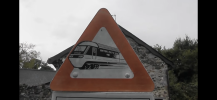
At least one exists (or did around 10 years ago) as have seen it!
== Doublepost prevention - post automatically merged: ==
Unlikely, they are Class 40 wheelsets (they still have the gears on them for drive from traction motors) but they were purchased from Swindon works so would think is definitely not likely they were from 40126, unless someone has traced those wheelsets
It still exists! Someone posted a recent photo of it yesterday on a FB.At least one exists (or did around 10 years ago) as have seen it!
A while back I discussed this with a forum member who was doing some research on the boxing day crash, which I think was subject to some dispute too.A lot of myths surrounding this particular 40 to say the least. The one that sticks out in my memory is the one concerning a secondman allegedly being electrocuted while working on it. Could very well have been a case of crossed wires/confusion and the resulting story taking on a life of it's own in railway circles.


43102 wouldn’t have got to 148mph without 43159, though.HST power car 43102 - I'd take that over 43159 as 43102 was the one leading/being driven, on the World record run
The oldest diesel I saw was an Armstrong Whitworth 0-6-0 carrying a builders plate of 1926 on the Preston Docks Railway. I doubt it was ever preserved.Historically, I feel these five were/are significant (in no particular order):
LMS 10000; a real tragedy that the original wasn't preserved
HST power car 43102 - I'd take that over 43159 as 43102 was the one leading/being driven, on the World record run
D8000 - one of the first of the Modernisation Plan diesels and arguably one of the most successful
59001 - opened the floodgates to the North American takeover
13000 - BR standard shunter - the "Diesel" from Thomas the Tank Engine
Who, outside enthusiasts, is going to have the faintest idea of what it is? Sure, some will have seen it in the Science Museum, but it was many years ago it left and in any case I doubt many would remember it as a highlight from a visit.Surely the most famous diesel is..........DELTIC
Some of the general public do know of existence of Deltics as a class but seem to think anything that has a nose is a Deltic.Who, outside enthusiasts, is going to have the faintest idea of what it is? Sure, some will have seen it in the Science Museum, but it was many years ago it left and in any case I doubt many would remember it as a highlight from a visit.
In our house (with two young children, one who is train-obsessed) they’re all ‘Brewsters’.Some of the general public do know if existence of Deltics as a class but seem to think anything that has a nose is a Deltic.
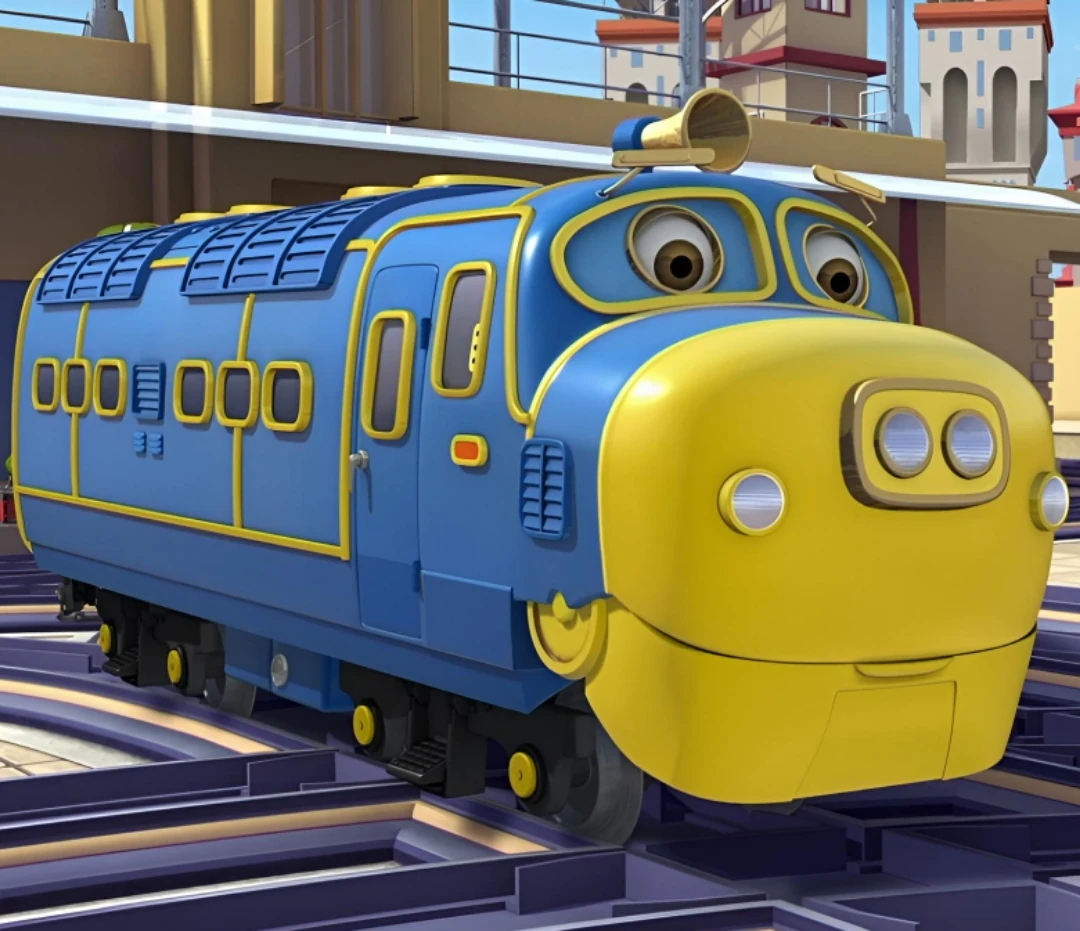


This has happened since the Deltics were new. Here is a quote from the Peterborough Evening Telegraph in 1963, describing a local Royal Train working:Some of the general public do know of existence of Deltics as a class but seem to think anything that has a nose is a Deltic.
The train bringing the Queen and the Duke of Edinburgh hauled by a highly-polished diesel locomotive - "Aureol" - of the Deltic class, rolled into Barnwell station...
This has happened since the Deltics were new. Here is a quote from the Peterborough Evening Telegraph in 1963, describing a local Royal Train working:

40106 not 40126D326/40 126?....Great Train Robbery and two fairly major accidents.

40 106 was used in the second film....but D326 was the loco involved in the actual robbery.40106 not 40126
Probably both! (Hedges his bets and leaves....)so is D326 famous, infamous, or both?
