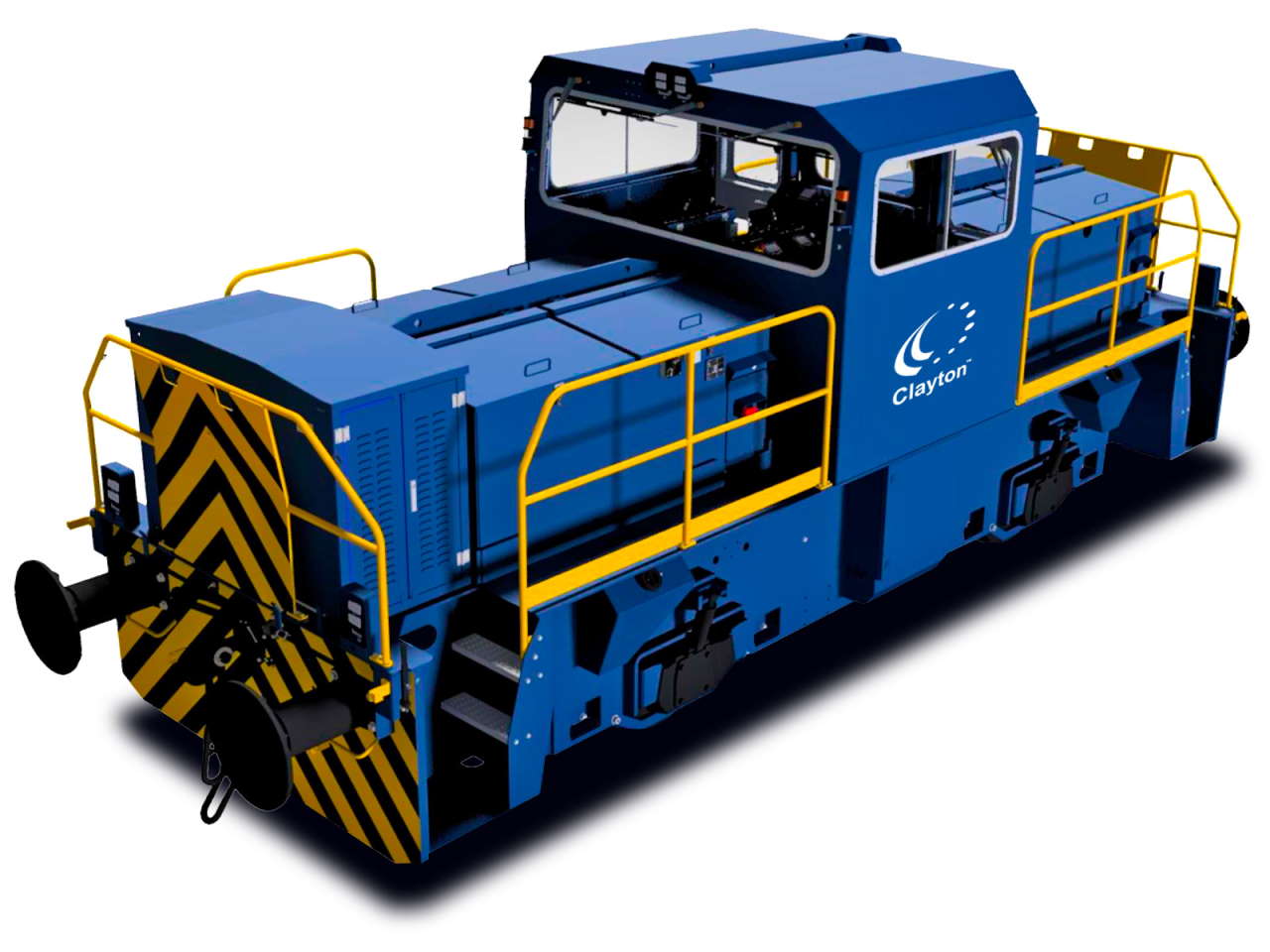
With modern power switching and control gear being fairly lightweight compared to historical equipment, electric locos today sometimes need artificial ballasting up to a desired adhesive weight, which, for a freight or general-purpose machine, is usually as heavy an axle load as possible within desired route availability restrictions. That otherwise deadweight might as well be a power and fuel or energy storage module to confer some off-wire capability if it can physically fit. I think that capability really needs to be a fair few miles for resilience and flexibility, but that should be achievable with ever-developing battery tech. Bearing in mind the desirability of maximum adhesive weight for freight locos, such rail battery applications might consider using different technology than the very lightest and smallest usually selected for automotive use as no payload is being sacrificed. Alternative chemistries or design details to increase reliability, longevity and safety could take precedence instead.