Good points in your post. In reality - and within reason of course, charity trustees have an enormous amount of flexibility to do what they think is right - with little or no requirement to justify it to anyone. Not even any shareholders to vote them out in many or most cases.
But they will be looking to visitors (and various interested benefactors) to provide money, and this approach might give these people pause for thought.
Why is it so hard to understand that the people who are organising it simply don’t think it’s appropriate?
Charity trustees (and those senior enough within charities to make decisions on cancelling events) shouldn’t be using their roles as a personal soap box. If they are doing so that perhaps exposes a worrying lack of scrutiny of the sector.
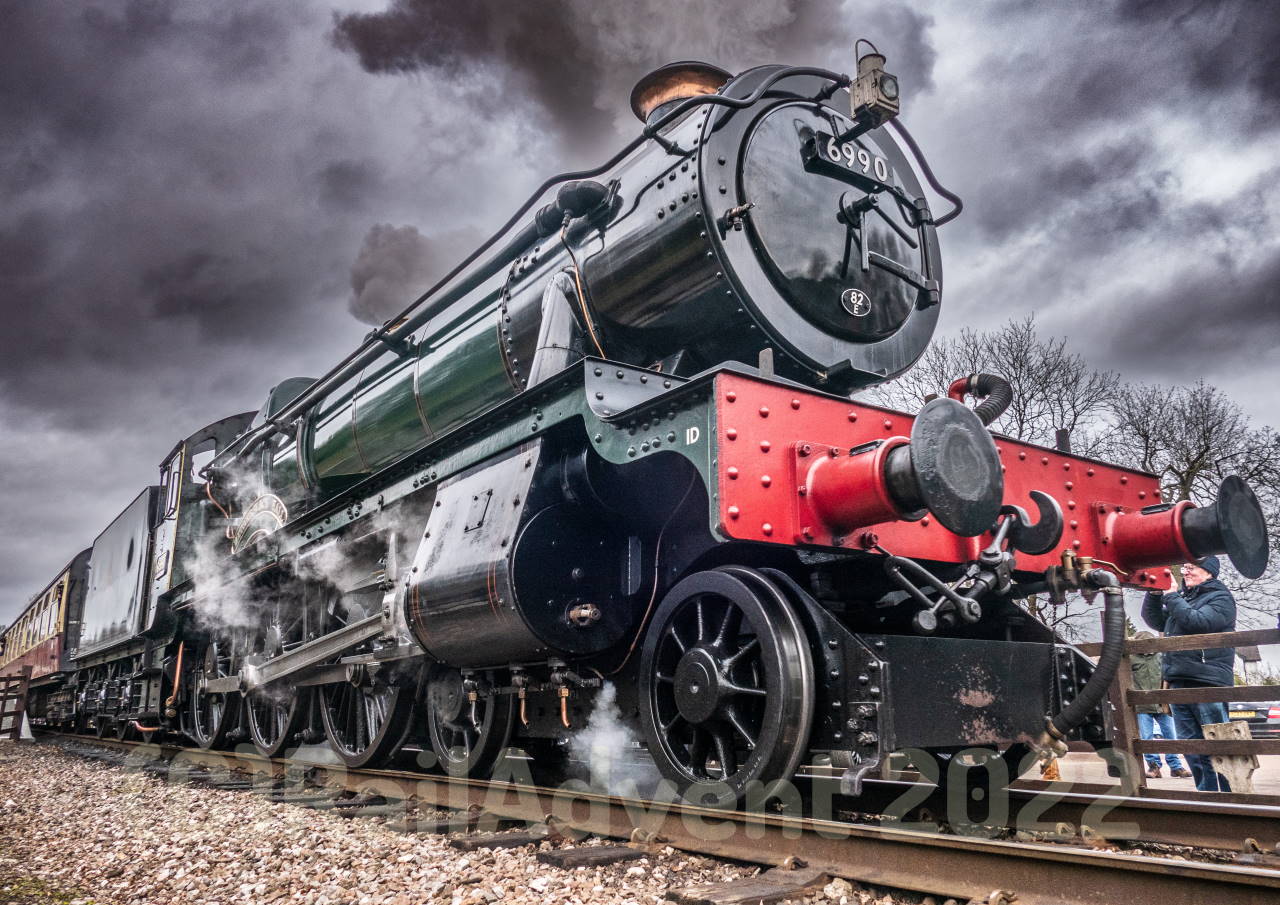
Soon there will be arguments that Victorian and early twentieth century railways had tenuous links with slavery and colonialism (as did most aspects of life in these periods), so it’s somehow offensive to operate preserved railways today. A ludicrous argument you might think, but that’s the direction of travel.
Unsurprisingly I'm going to disagree on that because we are not.
I wish I shared your confidence. I would suggest recent events and the current, increasingly intolerant, direction of political discourse in the U.K. indicate otherwise. There is a worrying tendency for those on the left, especially, to simply “cancel” anything or anyone they find challenging.
Actually I think there is another angle to it I have juts thought of - and that is the risk people might feel of being a bit of a laughing stock - along the lines of - 'look, this is the reality of war in Europe - happening now, but our response to that is to run and event, charge entry and make it into a day out'
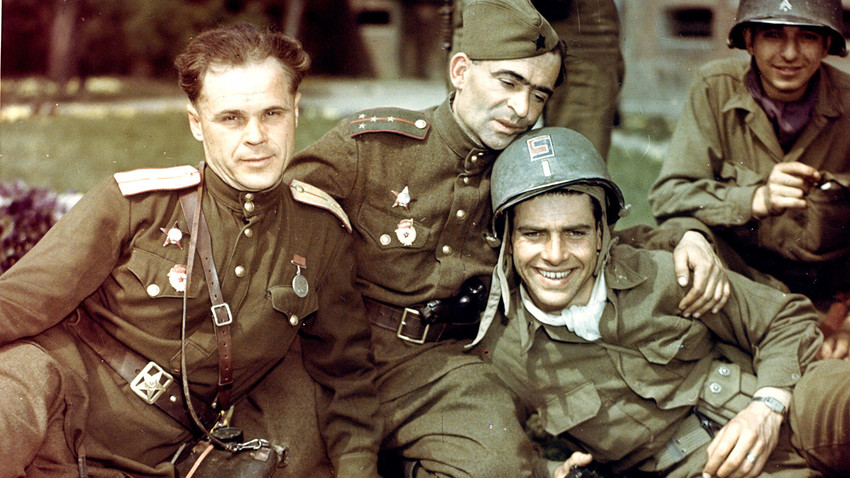
It could be a WW2 themed event, but with a tasteful nod to the Ukraine situation. The idea that events themed around a conflict which ended over 75 years ago should be distasteful in light of the present day Ukraine conflict makes absolutely zero sense when quite clearly nobody (and rightly) nobody felt this was the case in relation to other recent conflicts.
Still nobody on this thread has given a good reason why this war is (objectively) any different other, than the obvious factors that the people involved have white skin and are a little closer.
Now whilst personally I think these events are a fair chunk about entertainment, they are also of value in provoking thought about it all - but I also think the people who get involved with them have great respect for the service men and women and civilians of the time and what they went through. I don't think they ignore that at all - but it may well be though that this isn't the moment for it, and I'm sympathetic to that - even tho I personally think these sorts of 1940s events can be very good.
What I find worrying is how increasingly anything that’s even remotely thought provoking or controversial is written off as “offensive” to some hypothetical group of individuals. In years past people were more prepared to confront difficult subjects, today getting offended on behalf of others is an entire cottage industry.
I'm uncomfortable with that line of argument, as it strays dangerously close to the suggestion that if there are people who want to attend a certain kind of event, there's a duty to provide it for them.
We are talking here about long established events that have run successfully for many years, and raised a good deal of money for the charities putting them on. It’s the duty of those running said charities to consider more than their personal views when cancelling them.
I think perhaps you’re struggling see beyond your own personal dislike of these events.
Public hangings lets say (or maybe just re-enactments of them) - popular in their day, or so it would seem.
What an odd comment. Most people will see a distinction between a 1940s railway themed event and a same public hanging.
The whole concept of "cancel culture" seems to me a massive myth about how hard done by people on the right are that their views aren't taken as gospel.
Lots of woke halfwits like to vilify Churchill for being racist and judge him by 2022 standards, apparently not realising it would be surprising if he wasn’t, given he was born in Victorian times.
As for examples - how many examples have there been over the last few years of universities denying “controversial” speakers a platform, statures being defaced (and thrown into docks) etc.?
If you honestly can’t see the issue people are concerned about, you’re almost certainly part of the problem.