It was never wheeled out every day. It is weekly, was mentioned last Friday, will probably be mentioned this FridayWhat has happened to the much vaunted "R" number that used to be wheeled out every day?

-
Our new ticketing site is now live! Using either this or the original site (both powered by TrainSplit) helps support the running of the forum with every ticket purchase! Find out more and ask any questions/give us feedback in this thread!
You are using an out of date browser. It may not display this or other websites correctly.
You should upgrade or use an alternative browser.
You should upgrade or use an alternative browser.
New lockdown in England, including school closures, announced by Johnson, 4/1/21
- Thread starter py_megapixel
- Start date
- Status
- Not open for further replies.
Sponsor Post - registered members do not see these adverts; click here to register, or click here to log in
R
RailUK Forums

brad465
Veteran Member
The latest figures for fines being issued for Covid breaches is out, and suggests a notable increase in this latest lockdown:

 www.bbc.co.uk
Covid-19: Fines increase during third national lockdown
Police say officers were moving more quickly to issue fines for clear breaches of lockdown rules.
www.bbc.co.uk
It's been said on here that if unrest ever does happen, police actions will be a contributing factor. If this trend continues it certainly won't help any public discontent.The total number of fines issued for breaking coronavirus rules has risen by a third in the latest figures.
More than 42,000 fines were issued in England and Wales between 27 March and 17 January, up from 32,000 in late December - though not all were issued in the last month.
Four in five fixed penalty notices were given to people aged 18-39.
The National Police Chief's Council (NPCC) said increased patrols by officers had driven the increase.
Martin Hewitt, from the NPCC, said forces were moving more quickly to enforce fines where there were clear breaches of coronavirus rules.
"This seriously dangerous stage of the virus and national lockdown have led to more proactive patrols by forces and more fixed penalty notices have been issued as a result," he said.
Weekly figures show a rise in fines from mid-December, as lockdown restrictions tightened across England, continuing as the third national lockdown came into force on 5 January.


HSTEd
Veteran Member
- Joined
- 14 Jul 2011
- Messages
- 20,409
It's been said on here that if unrest ever does happen, police actions will be a contributing factor. If this trend continues it certainly won't help any public discontent.
This demonstrates the crumbling of compliance.
If we were as comlpiant as we were in March there would be no need for a constant escalation of enforcement actions.
brad465
Veteran Member
Yes I don't think we're at the level of intolerance that would see the whole strategy collapse yet, but things seem to be heading in that direction.This demonstrates the crumbling of compliance.
If we were as comlpiant as we were in March there would be no need for a constant escalation of enforcement actions.

Freightmaster
Verified Rep
- Joined
- 7 Jul 2009
- Messages
- 4,531
This is why the priority for the government in the coming weeks should be "how can we open the economy backI don't think we're at the level of intolerance that would see the whole strategy collapse yet, but things seem to be heading in that direction.
up as quickly as possible without overwhelming the NHS rather than indulging in endless whataboutism regarding
new strains, long covid, waiting to vaccinate all adults, etc.
If they don't, the lockdown will start to crumble once deaths start dropping significantly on a daily basis.
MARK
brad465
Veteran Member
Looking at the deaths' graph by date of death they appear to be starting that drop, even ignoring the grey bars and the latest 2 blue ones:This is why the priority for the government in the coming weeks should be "how can we open the economy back
up as quickly as possible without overwhelming the NHS rather than indulging in endless whataboutism regarding
new strains, long covid, waiting to vaccinate all adults, etc.
If they don't, the lockdown will start to crumble once deaths start dropping significantly on a daily basis.
MARK


If this continues then by the mid-February review we'd definitely be in a much better place.

Looking at the deaths' graph by date of death they appear to be starting that drop, even ignoring the grey bars and the latest 2 blue ones:
View attachment 89410
If this continues then by the mid-February review we'd definitely be in a much better place.
Indeed so. One of the first recent (possibly ever since this version of the dashboard went live?) ‘all green’ days in that the 7 day average of all three indicators shows decline. The processed test number has increased also showing the very pronounced lower positive percentage

Looking at the deaths' graph by date of death they appear to be starting that drop, even ignoring the grey bars and the latest 2 blue ones:
And pretty sharply at that, could we see a faster fall-off than last time?
We ought to if the vaccines are any good at allAnd pretty sharply at that, could we see a faster fall-off than last time?
That sounds like something you'd expect in North Korea. How long before some wag thinks to have loudspeakers installed around neighbourhoods blaring out that music overlaid with the narrative "Our glorious leader commands you to stay at home"?I encountered something incredibly dystopian today which seemed liked something straight out of a bad sci-fi. At my local shopping centre there was a large video screen set up playing an endless loop of footage of people on ventilators and the like with overlaid messages like STAY HOME, while a weird and eerie tune blared out. Not that there was anyone much to tell to go home as only about 3 shops in the entire place were open! Really weird.

brad465
Veteran Member
And pretty sharply at that, could we see a faster fall-off than last time?
It's possible, I think two things would be behind a sharper fall: the vaccine rollout so far and also while the "deaths within 28 days of a positive test" reporting has many downsides regarding how much Covid actually played a part in one's death, the fact it has that specific cut-off date means the death rate is likely to fall similar to the rapid fall in reported infections so far, albeit with that expected lag.We ought to if the vaccines are any good at all
That sounds like something you'd expect in North Korea. How long before some wag thinks to have loudspeakers installed around neighbourhoods blaring out that music overlaid with the narrative "Our glorious leader commands you to stay at home"?
An advert that really pee'd me off this morning was on the radio was one which said "...can you look a shop assistant in the eyes and tell him your trip to the shops is really essential?..."
I have never heard such utter bovine excrement in all my life.
Trying to make people feel guilty and anxious because they pop to the supermarket to get something that they have forgotten on run out of isn't really going to work.
People will either ignore it or resent it.
Personally I think the public appetite for lockdown compliance is rapidly fading (mine certainly is) and as the figures improve and the weather gets better, compliance is only going to fall further.
brad465
Veteran Member
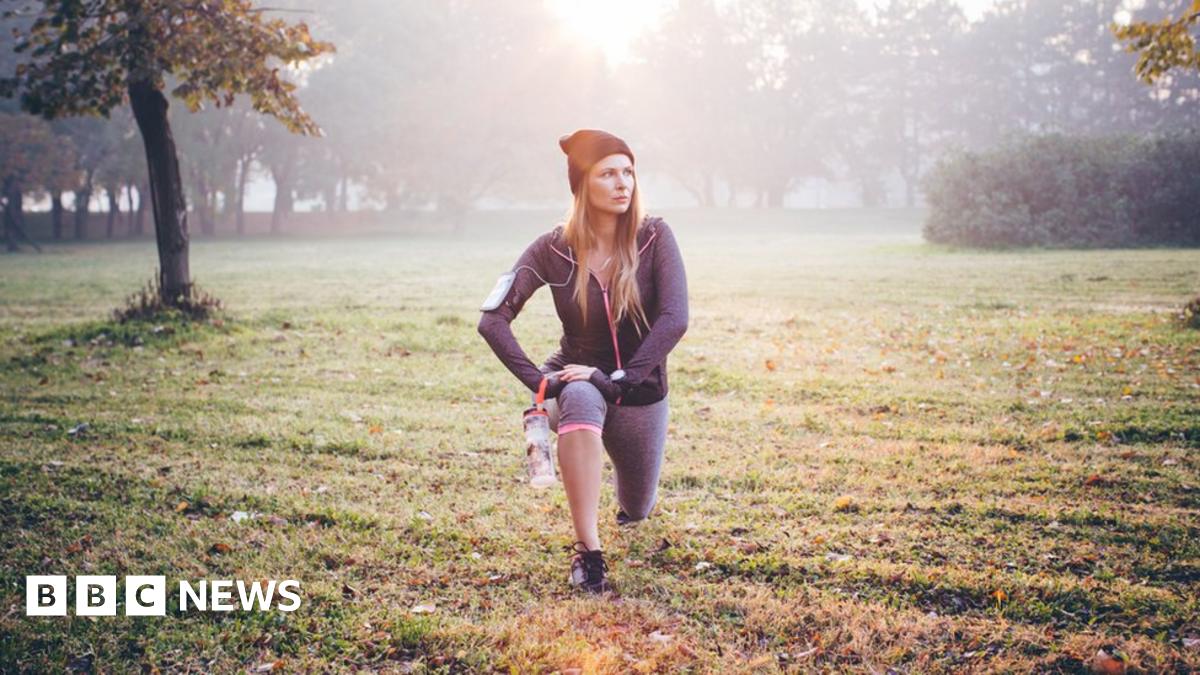
A survey about how people are spending this lockdown, with less exercise and more indoor TV, gaming, etc., has been publicised, revealing concerns for mental health as the novelty of all the spare time to be had has gone:
 www.bbc.co.uk
This certainly doesn't scream this lockdown is sustainable for very long, people will clearly want to be able to enjoy things sooner rather than later and all the indoor behaviour is going to run out/get boring quickly.
Covid-19: 'Less exercise and more TV' than first lockdown
People are spending less time on hobbies and volunteering in the current lockdown, researchers say.
www.bbc.co.uk
Two-fifths of people say they are doing less exercise in this lockdown than during the first one in spring 2020, a large UK survey suggests.
About a fifth of people say they are watching more TV, streaming more films and gaming more.
Meanwhile a third report working more, but volunteering and time spent on hobbies has decreased.
Scientists suggest people have found this period tougher and are more focused on coping with their lives.
'Novelty wearing thin'
Lead researcher, Dr Daisy Fancourt, from University College London, said: "It is not surprising that the current lockdown has seen fewer people exercising than the first, taking place as it does during the winter months.
"But this is still a cause for concern, as exercise can boost not just physical, but also mental, wellbeing.
"The reduction in time spent on hobbies and volunteering can partially be explained by the increased time spent working," she added.
"It also hints that the novelty of increased free time that came with the first lockdown has worn thin among much of the population, with many turning towards television and gaming to fill their time."
The study, conducted by University College London, and funded by the Nuffield Foundation think tank, has followed 70,000 people for more than 40 weeks.
Participants were asked how they spent their past week, and to compare this to how they spent their time in the first lockdown.
Researchers say the overall trends suggest the levels of satisfaction with life has deteriorated in recent weeks.
- 40% reported doing less exercise, while 13% said they exercised more
- 36% reported reduced involvement with arts and crafts, compared with 11% who said they did more of this
- 30% said they were less engaged with their hobbies, including gardening and DIY
- 36% reported spending less time volunteering, with only 13% saying they were volunteering more
- 19% said they watched more TV or streamed more films, compared with 13% who reported watching less TV
This certainly doesn't scream this lockdown is sustainable for very long, people will clearly want to be able to enjoy things sooner rather than later and all the indoor behaviour is going to run out/get boring quickly.
You've got to love the Beeb eh? Britain in "not going out as much in winter" shocker....A survey about how people are spending this lockdown, with less exercise and more indoor TV, gaming, etc., has been publicised, revealing concerns for mental health as the novelty of all the spare time to be had has gone:
Covid-19: 'Less exercise and more TV' than first lockdown
People are spending less time on hobbies and volunteering in the current lockdown, researchers say.
This certainly doesn't scream this lockdown is sustainable for very long, people will clearly want to be able to enjoy things sooner rather than later and all the indoor behaviour is going to run out/get boring quickly.
Doesn't surprise me - just look at the last few pages of this thread. The messaging this time feels much more aggressive, constantly warning us that "if we go out, people will die". I think the season has had an impact, but the messaging has too.A survey about how people are spending this lockdown, with less exercise and more indoor TV, gaming, etc., has been publicised, revealing concerns for mental health as the novelty of all the spare time to be had has gone:
Covid-19: 'Less exercise and more TV' than first lockdown
People are spending less time on hobbies and volunteering in the current lockdown, researchers say.
This certainly doesn't scream this lockdown is sustainable for very long, people will clearly want to be able to enjoy things sooner rather than later and all the indoor behaviour is going to run out/get boring quickly.

It seems to me that were vaccines not available, the Government and SAGE would be forced to provide outlets for people, and they would probably be looking at ways of making life more live-able for people which were less risky.
Unfortunately a side effect of the vaccines over the horizon, seems to be this determination of the Establishment to pursue a lockdown first strategy for as long as possible. One can only hope that parliament grows a backbone over this.
Unfortunately a side effect of the vaccines over the horizon, seems to be this determination of the Establishment to pursue a lockdown first strategy for as long as possible. One can only hope that parliament grows a backbone over this.
Unfortunately a side effect of the vaccines over the horizon, seems to be this determination of the Establishment to pursue a lockdown first strategy for as long as possible. One can only hope that parliament grows a backbone over this.
But as more people get vaccinated, the more difficult it becomes to justify keeping the strict lockdown going, if only because the effect of the vaccine plus the lockdown will show through in the figures.
I think the government is waiting for data on how much the vaccine(s) reduce transmissibility, as this will affect when and how the lockdown can be released.
The fact that the Novavax vaccine is effective against the new variant and is produced in the UK, will be something else for the government to consider.
Having an extra vaccine which is produced in the UK means that the government can afford to face down the threats from the E.U. to disrupt our supplies, as security of supply is just as important as efficacy and the conditions required for storage.
But as more people get vaccinated, the more difficult it becomes to justify keeping the strict lockdown going, if only because the effect of the vaccine plus the lockdown will show through in the figures.
I think the government is waiting for data on how much the vaccine(s) reduce transmissibility, as this will affect when and how the lockdown can be released.
The fact that the Novavax vaccine is effective against the new variant and is produced in the UK, will be something else for the government to consider.
Having an extra vaccine which is produced in the UK means that the government can afford to face down the threats from the E.U. to disrupt our supplies, as security of supply is just as important as efficacy and the conditions required for storage.
It's all well and good them "waiting to see if it reduces transmission" but the question that must be asked is "what is the strategy if it doesn't reduce transmission" If it's just lockdown forever more, then they might as well forget restrictions and begin putting in place the long term structure of increased hospital capacity and sanitoria etc that will be required.
Agree completely, though would also add that, having seen the impact of releasing lockdowns before elimination and delaying implementing them, I would be very surprised to see the government again taking a best case view of the benefits of vaccination on the incidence of Covid in the population.But as more people get vaccinated, the more difficult it becomes to justify keeping the strict lockdown going, if only because the effect of the vaccine plus the lockdown will show through in the figures.
I think the government is waiting for data on how much the vaccine(s) reduce transmissibility, as this will affect when and how the lockdown can be released.
The fact that the Novavax vaccine is effective against the new variant and is produced in the UK, will be something else for the government to consider.
Having an extra vaccine which is produced in the UK means that the government can afford to face down the threats from the E.U. to disrupt our supplies, as security of supply is just as important as efficacy and the conditions required for storage.
Today's Times reports 11% of the population (7.92m) having received at least one shot of vaccination - that leaves 6-8 times as many people to be vaccinated at least once before the UK reaches herd immunity, even before getting into the question of whether protection wears off. That suggests we're facing a marathon as much as a sprint.
Talking of marathons, as the critical constraint on the NHS is staffing, there's a hell of a lead time there - at least 5 years to train a doctor, not that much less for a nurse (I think a typical nursing degree is 4 years, but stand to correction).It's all well and good them "waiting to see if it reduces transmission" but the question that must be asked is "what is the strategy if it doesn't reduce transmission" If it's just lockdown forever more, then they might as well forget restrictions and begin putting in place the long term structure of increased hospital capacity and sanitoria etc that will be required.
It's all well and good them "waiting to see if it reduces transmission" but the question that must be asked is "what is the strategy if it doesn't reduce transmission" If it's just lockdown forever more, then they might as well forget restrictions and begin putting in place the long term structure of increased hospital capacity and sanitoria etc that will be required.
Early data from Israel shows that the vaccine reduces transmission by around 60%, so I think it is most unlikely that the vaccine will have no effect on transmission whatsoever. The question is, to what extent does the vaccine reduce transmission.
Even if the vaccine was shown to have no effect on reducing transmission, I think that would affect the timing of the lifting of restrictions, rather than whether the restrictions are lifted in the first place. If there were no effect on transmission, the government might deem it prudent to wait until more people have been vaccinated before lifting a particular measure.
As you say, we cannot continue in lockdown forever, and the vaccination program will eventually ensure that lockdowns as we know them today are no longer necessart.
But a graph I saw in the paper today shows that, at present rates, the government is on track to vaccinate all 32 million people in priority groups 1 - 9 by April 5th, which is Easter Monday.
Even if that date slips a little bit, we don't have to wait until everyone in groups 1 - 9 has been done before there is sufficient level of immunity to justify lifting restrictions.
But elimination is impossible, and we won't see deaths and hospitalisations to anywhere near the same extent once those who are vulnerable are vaccinatedAgree completely, though would also add that, having seen the impact of releasing lockdowns before elimination and delaying implementing them, I would be very surprised to see the government again taking a best case view of the benefits of vaccination on the incidence of Covid in the population.
People do have immunity from infection, and the effects of immunity aren't all-or-nothing; 10% immunity will have an effect on infection rates. Couple the 15 Million vaccinations by the end of February with our preexisting immunity, and suddenly we're in the 40-50% range, which will have a significant effect.Today's Times reports 11% of the population (7.92m) having received at least one shot of vaccination - that leaves 6-8 times as many people to be vaccinated at least once before the UK reaches herd immunity, even before getting into the question of whether protection wears off. That suggests we're facing a marathon as much as a sprint.
Agree completely, though would also add that, having seen the impact of releasing lockdowns before elimination and delaying implementing them, I would be very surprised to see the government again taking a best case view of the benefits of vaccination on the incidence of Covid in the population.
Today's Times reports 11% of the population (7.92m) having received at least one shot of vaccination - that leaves 6-8 times as many people to be vaccinated at least once before the UK reaches herd immunity, even before getting into the question of whether protection wears off. That suggests we're facing a marathon as much as a sprint.
Talking of marathons, as the critical constraint on the NHS is staffing, there's a hell of a lead time there - at least 5 years to train a doctor, not that much less for a nurse (I think a typical nursing degree is 4 years, but stand to correction).
If it's a marathon, then they should be coming up with the strategies to avoid full lockdown. All they do is shirk it and push it back "oh, we need more data so you're going to have to stay locked down". This is a newsflash for them, I'm not staying locked down for months on end, and I suspect a lot of others won't be, so they'd better start coming up with those strategies sharpish if they want to retain any semblance of control of the situation.
In terms of training, the Government decides every year how many people are trained as nurses, and it also decides how many NHS posts go unfilled, so this is a problem of the Governments own making. What are they doing to rectify this and even attract nurses from abroad if need be. Even if these things have a lead in time, we can still hear what they are doing now.
Early data from Israel shows that the vaccine reduces transmission by around 60%, so I think it is most unlikely that the vaccine will have no effect on transmission whatsoever. The question is, to what extent does the vaccine reduce transmission.
Even if the vaccine was shown to have no effect on reducing transmission, I think that would affect the timing of the lifting of restrictions, rather than whether the restrictions are lifted in the first place. If there were no effect on transmission, the government might deem it prudent to wait until more people have been vaccinated before lifting a particular measure.
As you say, we cannot continue in lockdown forever, and the vaccination program will eventually ensure that lockdowns as we know them today are no longer necessart.
But a graph I saw in the paper today shows that, at present rates, the government is on track to vaccinate all 32 million people in priority groups 1 - 9 by April 5th, which is Easter Monday.
Even if that date slips a little bit, we don't have to wait until everyone in groups 1 - 9 has been done before there is sufficient level of immunity to justify lifting restrictions.
They should be deciding which restrictions can be lifted soon, and I mean the sort of restrictions that the majority of the population can make benefit of such as seeing people outdoors and making use of the countryside.
I'm not suggesting an elimination strategy - indeed, I think that countries which have pursued such a strategy will be very challenged as they reopen. Similarly, I agree that prior infections will help with immunity levels, but that doesn't alter my view that policymakers will take a cautious view after the experience of the last year.But elimination is impossible, and we won't see deaths and hospitalisations to anywhere near the same extent once those who are vulnerable are vaccinated
People do have immunity from infection, and the effects of immunity aren't all-or-nothing; 10% immunity will have an effect on infection rates. Couple the 15 Million vaccinations by the end of February with our preexisting immunity, and suddenly we're in the 40-50% range, which will have a significant effect.
Indeed, government do make those decisions and there are long term policy implications. But those long term policies are on a completely different timeframe to those being discussed for Covid.If it's a marathon, then they should be coming up with the strategies to avoid full lockdown. All they do is shirk it and push it back "oh, we need more data so you're going to have to stay locked down". This is a newsflash for them, I'm not staying locked down for months on end, and I suspect a lot of others won't be, so they'd better start coming up with those strategies sharpish if they want to retain any semblance of control of the situation.
In terms of training, the Government decides every year how many people are trained as nurses, and it also decides how many NHS posts go unfilled, so this is a problem of the Governments own making. What are they doing to rectify this and even attract nurses from abroad if need be. Even if these things have a lead in time, we can still hear what they are doing now.
They should be deciding which restrictions can be lifted soon, and I mean the sort of restrictions that the majority of the population can make benefit of such as seeing people outdoors and making use of the countryside.
I'm not suggesting an elimination strategy - indeed, I think that countries which have pursued such a strategy will be very challenged as they reopen. Similarly, I agree that prior infections will help with immunity levels, but that doesn't alter my view that policymakers will take a cautious view after the experience of the last year.
Indeed, government do make those decisions and there are long term policy implications. But those long term policies are on a completely different timeframe to those being discussed for Covid.
Which is why they need to be coming up with a suite of sustainable measures other than lockdown for the interim.
I'd hardly call the damage done by these inhumane lockdowns as 'cautious'I'm not suggesting an elimination strategy - indeed, I think that countries which have pursued such a strategy will be very challenged as they reopen. Similarly, I agree that prior infections will help with immunity levels, but that doesn't alter my view that policymakers will take a cautious view after the experience of the last year.
== Doublepost prevention - post automatically merged: ==
Once the vulnerable are vaccinated, we need nothing more restrictive than tier 1.Which is why they need to be coming up with a suite of sustainable measures other than lockdown for the interim.
Once the vulnerable are vaccinated, we need nothing more restrictive than tier 1.
Indeed. I would say nothing more onerous than this summer.
Indeed, quite the opposite. The damage done has been reckless and will take years, maybe decades to undo.I'd hardly call the damage done by these inhumane lockdowns as 'cautious'
"Cautious" refers to the approach of policymakers to the spread of Covid, given the experience of the last year and the number of deaths attached to Johnson's record. As for whether we only need tier 1 restrictions, there are a number of assumptions underlying that and I can see why they might want to be quite careful before acting on those assumptions. I fully expect to see a more phased relaxation of restrictions than on the exit from lockdown 1 last year, with time given to see what impact they have on the incidence and severity of Covid cases.I'd hardly call the damage done by these inhumane lockdowns as 'cautious'
== Doublepost prevention - post automatically merged: ==
Once the vulnerable are vaccinated, we need nothing more restrictive than tier 1.
A slower release than last year is untenable, given the increased immunity in the population."Cautious" refers to the approach of policymakers to the spread of Covid, given the experience of the last year and the number of deaths attached to Johnson's record. As for whether we only need tier 1 restrictions, there are a number of assumptions underlying that and I can see why they might want to be quite careful before acting on those assumptions. I fully expect to see a more phased relaxation of restrictions than on the exit from lockdown 1 last year, with time given to see what impact they have on the incidence and severity of Covid cases.
The question is not, "is it safe to unlock" it is "are these measures the lest restrictive possible". If Boris wants to depart from that, he should enact the Civil Contingencies Act, as the Public Health Act requires any measures to be the "least restrictive means possible".
- Status
- Not open for further replies.