Historic milestone reached as critically endangered wildcats released into the Cairngorms National Park
15/06/2023 in
RZSS
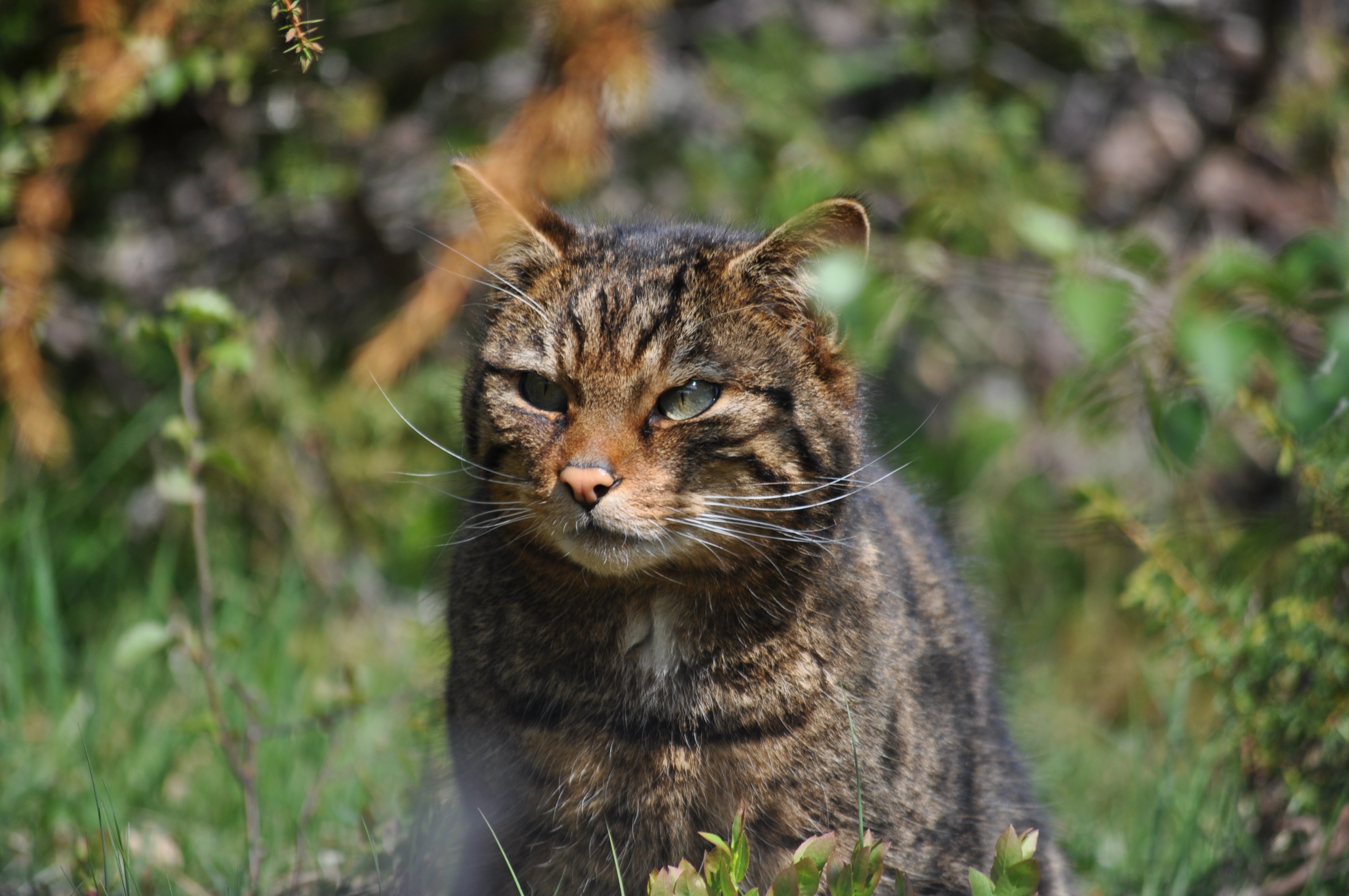
After years of extensive preparations by the Saving Wildcats conservation partnership project, the release of 22 wildcats into the Cairngorms National Park began last week as part of landmark efforts to save this charismatic species from extinction within Scotland.
Led by the Royal Zoological Society of Scotland (RZSS), the Saving Wildcats partnership has released the cats intoundisclosed locations within the Cairngorms Connect landscape of the Cairngorms National Park where they will be carefully monitored using GPS-radio collars.
Approved under licence by NatureScot, the trial releases are the first-ever conservation translocation of wildcats in Britain in an effort to help restore Scotland's critically endangered wildcat population. Approximately sixty wildcats will be released over the next three years.
The project, which has undertaken widespread engagement with local communities, has drawn on global conservation and scientific expertise to further understanding of wildcat ecology and behaviour.
David Field, Chair of the Saving Wildcats Project Board and Chief Executive Officer of the Royal Zoological Society of Scotland, said: “We are delighted that the Saving Wildcats partnership has taken this historic step towards securing a future for the species in Scotland.
“The time is now to give the ‘Highland Tiger’ the best chance of survival and I am thankful for the work of our team members, partners and supporters in making this happen.
“I am also particularly grateful for the support of our local community in the Cairngorms as, without their engagement, we would not have reached this exciting milestone.”
Lorna Slater, Minister for Green Skills, the Circular Economy and Biodiversity, said: “Wildcats are a much loved native species in Scotland and yet their very existence is under threat’.
“This announcement is welcome news and is an important step in ensuring the survival of the species.
"Reversing the dramatic losses in nature that we have seen in recent times is one of the defining challenges that our country faces. The Scottish Government remainscommitted to this fight and is actively working towards protecting and restoring our natural environment and theanimals that rely upon it.
“I’d like to thank everyone that has been involved for their incredible hard work that has got us to this position. I look forward to seeing the progress of the wildcats as they settle into their new home in Scotland’s iconic Cairngorms National Park.”
Dr David Hetherington, Nature Networks Manager at the Cairngorms National Park Authority said: “This is indeed a milestone moment for the species, which takes place against the backdrop of large-scale habitat restoration and connection unfolding across the Cairngorms National Park. This conservation project is the most ambitious for the wildcat in Scotland to date and it’s great to see it taking place here.”
Alex Macleod, Forestry and Land Scotland North Region Manager and Cairngorms Connect Board Member, said “The Cairngorms Connect Partners are committed to a 200-year vision to restore habitats, ecological processes, and species across a vast area of the Cairngorms National Park. The size, scale, and positive impact of our restoration efforts, make this landscape a great release location for the first conservation translocation of wildcats in Britain. We’re delighted to be a part of restoring this amazing species in Scotland.”
Simon Hodgson, Forestry and Land Scotland Chief Executive, said: ‘We are proud to support this initiative and to help it develop to the next stage and strengthen the wildcat population further.
“Our land management across Scotland helps to create a mosaic of interconnected habitats. At a landscape scale this is attractive to and beneficial for wildcats.
“We expect these new wildcats will do well and would hope that their release inspires everyone to do their bit and respect and take care of the environment in which the wildcats thrive.”
NatureScot Chief Executive Francesca Osowska said: “A huge amount of work has laid the ground for these wildcat releases, and we’re proud to have played our part in that. Our research shows that wildcats are facing extinction in Scotland, which makes conservation translocations like this a vital tool for the species’ recovery.
“We have a good track-record of conservation translocation success in Scotland, with golden eagle, white-tailed eagle and beaver populations all recovering and supporting efforts to regenerate biodiversity. The newly-released wildcats will face significant challenges as they seek to establish themselves, so it’s crucial we continue to do everything we can to give them the best chance to survive, and thrive, in Scotland.”
Thomas MacDonell, Director of Conservation for Wildland Limited, on behalf of Cairngorms Connect said: “It’sfantastic that Cairngorms Connect have been selected as a suitable release site for these critically endangered cats and it is the best possible reward for the whole team at Wildland, along with the Cairngorms Connect partnership, to receive such recognition for all the hard work involved during the first twenty years we have been restoring our precious landscape.
“The Saving Wildcats team have been a pleasure to work with and we wish the cats every success in becoming an integral part of the wild ecosystem and our futures.”
The cats were born in a purpose-built off-show conservation breeding for release centre based at Highland Wildlife Park, near Aviemore, in 2022.
Despite detailed preparations ahead of the first release, one of the most difficult aspects of any conservation translocation is predicting how an animal will respond to being released.
Dr Helen Senn, Project lead and Head of Science and Conservation Programmes for the Royal Zoological Society of Scotland, said: “We hope that this project will pave the way for the full recovery of Scotland’s last remaining native cat species.
“Unfortunately, life is tough for wild carnivores and the sad reality is that some of the wildcats that we release willnot survive due to threats such a road traffic. Their survival is contingent on their individual behaviour in a new environment. While the Saving Wildcats team have made every effort to prepare the wildcats by moving them into large pre-release enclosures which support natural development, informed by other successful carnivore recovery projects such as Iberian lynx in Spain and Portugal, they cannot ultimately control how the cats will react.
“However, we also know that inaction will result in extinction. As human activity is responsible for the wildcat’s decline, we have a responsibility to take actionnow to protect one of our rarest and most threatened mammals.
“Everything we learn from this closely monitored first trial release will help inform future releases.”
The conservation breeding and release of wildcats is being carried out by the Saving Wildcats partnership (#SWAforLIFE) led by the Royal Zoological Society of Scotland (RZSS) in collaboration with NatureScot, Forestry and Land Scotland (FLS), The Cairngorms National Park Authority, Norden’s Ark and Junta de Andalucía. Releases are being conducted with the support of Cairngorms Connect.
The project is funded with the contribution of the LIFE Programme of the European Union and other partnersand organisations.
Within the lifespan of the project, it’s envisioned that approximately 20 cats will also be released in 2024 and 2025 from the conservation breeding for release centre. The cats bred for release are not available for public viewing to help them prepare for life in the wild.
The Saving Wildcat team will now focus on following the wildcats’ new lives in the wild and preparing the second generation of wildcats for release next year. Further updates from the project are expected to be issued at the end of the summer release period. Regular news from the project will be shared
in the Saving Wildcats newsletter. Those wishing to support a wildcat family can
sponsor a parent in the breeding centre.