• Our new ticketing site is now live! Using either this or the original site (both powered by TrainSplit) helps support the running of the forum with every ticket purchase! Find out more and ask any questions/give us feedback in this thread!

UK switching to electric vehicles discussion

jon0844

Veteran Member
Joined
1 Feb 2009
Messages
30,836
Location
UK
Indeed, especially as all new homes with any form of allocated parking have to have private chargers, not just those with a driveway.

Whist that's a small percentage of all homes, it will increase the number of homes without a driveway which can charge their cars.

As such owning a driveway will still attract a premium, but not as much as it would without such chargers for new flats and terraced homes.

It should be easy to provide some level of power to bays in a communal parking area. If there are no allocated spaces, you could give residents a smart card so they can use any of the chargers and be billed correctly.

With load balancing, they could still provide a sufficient level of power without every single bay having to be capable of providing 7-22kW. Assuming residents care for each other, you could even allow them to select if they need a quick charge or are happy to go with a slower/limited charge (say coming home at 6pm and knowing you won't use the car again until 6 or 7am). This can then prioritise individual users and make best use of the infrastructure.

Then a communal parking area will be almost as convenient as having your own driveway. As for charging rates, I see no reason that a company (or the Government) can't come up with a system to let you pay your own electricity tariff even if using another charger. As long as you have a means of activating a charge (e.g. a smart card that's registered with those chargers) then it could be billed on your home account.

Heck, a company like Octopus could even work to run these communal chargers and offer something akin to Intelligent Octopus Go, which ties in with my above suggestion of load balancing and prioritising - except now you just plug in and let the chargers decide when to 'fill' your car.

I am sure all of these things will happen in time, and it will prove a winner for the businesses that do so first.
 
Sponsor Post - registered members do not see these adverts; click here to register, or click here to log in
R

RailUK Forums

The Ham

Veteran Member
Joined
6 Jul 2012
Messages
12,021
It should be easy to provide some level of power to bays in a communal parking area. If there are no allocated spaces, you could give residents a smart card so they can use any of the chargers and be billed correctly.

With load balancing, they could still provide a sufficient level of power without every single bay having to be capable of providing 7-22kW. Assuming residents care for each other, you could even allow them to select if they need a quick charge or are happy to go with a slower/limited charge (say coming home at 6pm and knowing you won't use the car again until 6 or 7am). This can then prioritise individual users and make best use of the infrastructure.

Then a communal parking area will be almost as convenient as having your own driveway. As for charging rates, I see no reason that a company (or the Government) can't come up with a system to let you pay your own electricity tariff even if using another charger. As long as you have a means of activating a charge (e.g. a smart card that's registered with those chargers) then it could be billed on your home account.

Heck, a company like Octopus could even work to run these communal chargers and offer something akin to Intelligent Octopus Go, which ties in with my above suggestion of load balancing and prioritising - except now you just plug in and let the chargers decide when to 'fill' your car.

I am sure all of these things will happen in time, and it will prove a winner for the businesses that do so first.

Indeed.
 

johncrossley

Established Member
Joined
30 Mar 2021
Messages
4,374
Location
London
Does a home charger attract much of a premium, if any at all?

See this post:

Aside from those living in city centre locations, and those in many rented flats/houses where there is no practical means of home charging, the possibility of home charging is to a degree within the choice of the house purchaser. Having an off-street parking place that can be provided with a charging point is an additional cost on the house (and that extra cost will rise as more people seek such properties), so to a degree, the lower cost of 'fuel' for an EV that provides some recompense for the additional purchase cost of the property and the installation of a charger.

== Doublepost prevention - post automatically merged: ==

Then a communal parking area will be almost as convenient as having your own driveway. As for charging rates, I see no reason that a company (or the Government) can't come up with a system to let you pay your own electricity tariff even if using another charger. As long as you have a means of activating a charge (e.g. a smart card that's registered with those chargers) then it could be billed on your home account.

We have fuel cards already, where the price per litre is fixed wherever you fill up, which is the same principle.
 
Last edited:

jon0844

Veteran Member
Joined
1 Feb 2009
Messages
30,836
Location
UK
See this post:


== Doublepost prevention - post automatically merged: ==


We have fuel cards already, where the price per litre is fixed wherever you fill up, which is the same principle.

I expect that there are some rules that may need to be adapted to allow billing on another account due to the way the metering would work. Same reason an Octopus Home Mini can't be used for billing and smart meters don't use Wi-Fi.

Nothing that can't be fixed if there's a will to do so.
 

AM9

Veteran Member
Joined
13 May 2014
Messages
16,006
Location
St Albans
It should be easy to provide some level of power to bays in a communal parking area. If there are no allocated spaces, you could give residents a smart card so they can use any of the chargers and be billed correctly.

With load balancing, they could still provide a sufficient level of power without every single bay having to be capable of providing 7-22kW. Assuming residents care for each other, you could even allow them to select if they need a quick charge or are happy to go with a slower/limited charge (say coming home at 6pm and knowing you won't use the car again until 6 or 7am). This can then prioritise individual users and make best use of the infrastructure.

Then a communal parking area will be almost as convenient as having your own driveway. As for charging rates, I see no reason that a company (or the Government) can't come up with a system to let you pay your own electricity tariff even if using another charger. As long as you have a means of activating a charge (e.g. a smart card that's registered with those chargers) then it could be billed on your home account.

Heck, a company like Octopus could even work to run these communal chargers and offer something akin to Intelligent Octopus Go, which ties in with my above suggestion of load balancing and prioritising - except now you just plug in and let the chargers decide when to 'fill' your car.

I am sure all of these things will happen in time, and it will prove a winner for the businesses that do so first.
Of course the actual cost per KW wouldn't be as low as that for normal home charging as there would be a cost element to pay for the installation and maintenance of the chargers that is otherwise borne by homeowners. There's also the possibility of current private letting of driveway arrangements including use of a home charger, thus providing destination* charging.
* 'destination', as in as far as the car goes - maybe near the station or airport used for onward travel.
 

jon0844

Veteran Member
Joined
1 Feb 2009
Messages
30,836
Location
UK
Of course the actual cost per KW wouldn't be as low as that for normal home charging as there would be a cost element to pay for the installation and maintenance of the chargers that is otherwise borne by homeowners. There's also the possibility of current private letting of driveway arrangements including use of a home charger, thus providing destination* charging.
* 'destination', as in as far as the car goes - maybe near the station or airport used for onward travel.

The cost of the installation and maintenance should really be part of the management/service fee. I suppose there's the issue of someone not wanting to pay if they don't personally own an EV, but over time that issue will go away as most people will own one.

I've considered allowing access to my charger (there are services out there that will manage it, and take their cut) but I really don't want any issues with damage to my property, a vehicle not leaving on time and so on. I am not sure you could make that much money as to do so you'd need to increase your price, which would make people less likely to want to use you. When I've checked for local residents with open chargers, it doesn't seem like the scheme is very popular.
 

Mawkie

Established Member
Joined
17 Feb 2016
Messages
1,242
I've considered allowing access to my charger (there are services out there that will manage it, and take their cut) but I really don't want any issues with damage to my property, a vehicle not leaving on time and so on. I am not sure you could make that much money as to do so you'd need to increase your price, which would make people less likely to want to use you.
Just Park is one such scheme. I had a quick check around a popular location, Wembley.

Screenshot_2026-06-21-09-20-41-03_3aea4af51f236e4932235fdada7d1643.jpg
(Photo shows a screenshot for just park for 10 hours parking in Wembley)

Screenshot_2026-06-21-09-20-49-20_3aea4af51f236e4932235fdada7d1643.jpg
(Photo shows a screenshot of the just park app detailing parking at £11.45, charging at £24, and a transaction fee of £1.39)

Unlimited charging adds £24 to make a total of £36.84

For those unfamiliar with charging times/rates etc. 10 hours at 7kW would basically fill my long range Tesla (noting that there are some charging losses).

For some people, this could be a decent solution for a day/night out in London with the security of knowing you're fully charged for a return home.
 

AM9

Veteran Member
Joined
13 May 2014
Messages
16,006
Location
St Albans
The cost of the installation and maintenance should really be part of the management/service fee. I suppose there's the issue of someone not wanting to pay if they don't personally own an EV, but over time that issue will go away as most people will own one.

I've considered allowing access to my charger (there are services out there that will manage it, and take their cut) but I really don't want any issues with damage to my property, a vehicle not leaving on time and so on. I am not sure you could make that much money as to do so you'd need to increase your price, which would make people less likely to want to use you. When I've checked for local residents with open chargers, it doesn't seem like the scheme is very popular.
My comment was more about how a 'charge it to the driver's home electricity bill rate' might work as in those cases there would need to be recognition that they were using somebody else's equipment. Also, would a manufacturer of the charger see such use as going beyond normal domestic levels with respect to guarantee etc..
 

ic31420

Member
Joined
23 Aug 2017
Messages
392
Location
United Kingdom
up. Get a good second hand ICE and keep it for as long as possible. Living in London I can manage without a car a lot. No driveway.

It means the relative prices quoted on here of new or nearly new ICE vs EV just make my eyes glaze over. But there are plenty of newish (3 year old) car buyers out there.

For me a second hand EV will need to have a good battery life left. I would prefer a slower home charge just to be gentle on the battery for all the years I will keep it. I don't buy expensive coffee so a charger at a Starbucks would be irrelevant for me anyway !.

It just depends how representative I am. But certainly the most likely people to switch will have done so first obviously (I think a mix of having enough money to buy new and a desire to be at the forefront of technology). So perhaps now need to consider the next likely group who might be more penny pinching (they are more likely to buy secondhand so feed off the first group when they replace their car).

I think there is still some way to go.

Many people I work with are happy spaffing £400 a month on a PCP.

As it happens most are coming to the end of their current deals and looking to replace. despite Having tipped up £16k + a deposit to borrow a car over 4 years they they are inexplicably to me, keen to start again.

4 years ago that Mature EVs we see now didn't really exist or were very new so they're mostly driving ICE, or Mhev.

A fair number of them are now looking and are quite excited by EVs. Those with range anxiety have been buoyed by the experience of one colleague who has a motorbility EV and no home charger.

I think there is still some of the main market earlyish post early adopter market to go before you get to the reluctant adopters and the. the resistant adopters.

At this time while I'd love an EV the they not available to me. While I could afford to go and drop £5k deposit and £350 pcm PCP I just don't see the value. My next car will probably be a high milage 2018-2019 model because of that it'll be ICE. The car after that will likely be a 225-26 plate in about 6-8yrs time. Hopefully then we will know how they're performing in the longer term older vehicle markets window. Essentially what range is the battery still giving, are replacement batteries sensible, how is the EV drivetrain working.

The local clutch and gearbox specialist has just started doing EV Motor repairs, apparently there are a few suffering bearing failures in the motor / drive train areas.
 

jon0844

Veteran Member
Joined
1 Feb 2009
Messages
30,836
Location
UK
My comment was more about how a 'charge it to the driver's home electricity bill rate' might work as in those cases there would need to be recognition that they were using somebody else's equipment. Also, would a manufacturer of the charger see such use as going beyond normal domestic levels with respect to guarantee etc..

EV chargers aren't particularly complicated bits of equipment. There's obviously a cost of the installation, but they're pretty much zero-maintenance after that.
 

Mawkie

Established Member
Joined
17 Feb 2016
Messages
1,242
My next car will probably be a high milage 2018-2019 model because of that it'll be ICE. The car after that will likely be a 225-26 plate in about 6-8yrs time. Hopefully then we will know how they're performing in the longer term older vehicle markets window. Essentially what range is the battery still giving, are replacement batteries sensible, how is the EV drivetrain working.
We already know.
So from the Which? survey of 4000 owners, the average loss on a car with an advertised 250 miles range over 8 years was....... 15 miles. These are averages, so there will be the extremes too - the early failures that the press like to publish - and the batteries that still maintain impressive ranges long into their lives with little degradation.

Inside EVs article has more figures.
Tesla recently shared a chart presenting the average battery capacity retention per distance traveled of the Model 3 and Model Y cars with Long Range battery packs, and it's good news for anyone keeping theirs for the long haul.

According to Tesla's 2023 Impact Report, the average battery capacity loss of the Model 3 and Model Y Long Range versions after 200,000 miles is 15%. This also means the average capacity retention after the distance is 85%.

If I was looking at the 'bangernomics' model of car ownership, I would have more faith in a 100K+ mile EV than some wheezy old ICE.
 

ic31420

Member
Joined
23 Aug 2017
Messages
392
Location
United Kingdom
We already know.

I'm not so much interested in how they are doing at 8yrs but at 12 and 15yrs

I want whole life value.

I can only think of Nissan leafs getting to that age. I imagine Barry techs moved on.

Inside EVs article has more figures.


If I was looking at the 'bangernomics' model of car ownership, I would have more faith in a 100K+ mile EV than some wheezy old ICE.

In 25 yrs of motoring the lowest milage car I've ever had is 85k.

I had a Corsa Diesel I kept from 85k to 213k
I had a Combo Van LPG/Petrol that I got at 178k and kept to 220k
The a Ford Focus Diesel that I had from 210k to 285k
My current car a Kia Diesel is a spring chicken I got it with 118k and currently has 140k.

The focus had a turbo replaced in my ownership after a glow plug tip fell off and damaged the turbo not long after I got it. That cost about £400.

I would have kept the focus longer, but needed an estate.

My current car was sold needing a clutch (a common fault on them) which cost me £150 and a DMF and slave while I had it in bits. But the purchase price took that into consideration at full workshop prices as opposed to me doing myself. It also needed some track rod ends at about £20 each at some point.

I do 6k a year maximum these days, last year was an anomaly with a trip to South France and touring making my miles about 8k.

I see high milage anxiety in the same light I see range anxiety. A girl at work is hellbent on swapping her car for no other reasons than she worries it's getting high milage at 65k
 

Mawkie

Established Member
Joined
17 Feb 2016
Messages
1,242
I'm not so much interested in how they are doing at 8yrs but at 12 and 15yrs

I want whole life value.

I can only think of Nissan leafs getting to that age. I imagine Barry techs moved on.

In 25 yrs of motoring the lowest milage car I've ever had is 85k.

I had a Corsa Diesel I kept from 85k to 213k
I had a Combo Van LPG/Petrol that I got at 178k and kept to 220k
The a Ford Focus Diesel that I had from 210k to 285k
My current car a Kia Diesel is a spring chicken I got it with 118k and currently has 140k.

The focus had a turbo replaced in my ownership after a glow plug tip fell off and damaged the turbo not long after I got it. That cost about £400.

I would have kept the focus longer, but needed an estate.

My current car was sold needing a clutch (a common fault on them) which cost me £150 and a DMF and slave while I had it in bits. But the purchase price took that into consideration at full workshop prices as opposed to me doing myself. It also needed some track rod ends at about £20 each at some point.

I do 6k a year maximum these days, last year was an anomaly with a trip to South France and touring making my miles about 8k.
There's something to be said for keeping an old car running, especially when talking about the total environmental lifetime cost compared to a new car, but thankfully cars from your purchase history will be banished into Diesel hell by nearly every town in the country eventually.
 

Peter Sarf

Established Member
Joined
12 Oct 2010
Messages
9,570
Location
Croydon
There's something to be said for keeping an old car running, especially when talking about the total environmental lifetime cost compared to a new car, but thankfully cars from your purchase history will be banished into Diesel hell by nearly every town in the country eventually.
That is something that concerned me. Perfectly good cars being scrapped.

I am speaking as one who buys a high mileage car and tends to put very little mileage on it. I do not think I have ever bought at less the 100k miles. I had one car that was a dud. I got it very cheap and took a risk - outed it quite quickly. It was a replacement for a remarkably old and reliable Carlton due to ULEZ.

My first car was fairly rusty and it continued to rust (that was the 1980s). I suppose the creeping death these days may well be - software (lack of updates therof) !.

I like to be environmentally friendly but it is getting harder to afford to be so.
 

Magrar

On Moderation
Joined
20 Jun 2026
Messages
185
Location
Reading
There's something to be said for keeping an old car running, especially when talking about the total environmental lifetime cost compared to a new car
There's a world of difference however between what the theorists say, and what actually happens in the real world.

I doubt, for example, than when the 15 year old Volvo S40 I saw the other day belching around an estate of family housing, rolled off the line brand new, any of the forecasters who calculate things like its whole life carbon and air quality cost, foresaw a world where its only use nowadays was as the rolling smoking dented up junk box of some idiot Uber Eats driver working for a pittance, probably illegally, which, when it eventually goes bang, is far more likely to be rolled into a canal than recycled from bumper to bumper.

To simply see such a nice car built by a well respected firm reduced in just fifteen years to a dented piece of unloved smoking filthy crap, delivering actual food to actual humans, was a damning indictment of where we have gone wrong as a society.
 

AM9

Veteran Member
Joined
13 May 2014
Messages
16,006
Location
St Albans
That is something that concerned me. Perfectly good cars being scrapped.
These cars are no longer "perfectly good" now the truth about diesel engines is known, (and petrol cars aren't exactly clean), as we this week, sweat in heat conditions that are getting more and more life threatening to many.
 

The Ham

Veteran Member
Joined
6 Jul 2012
Messages
12,021
I think there is still some way to go.

Many people I work with are happy spaffing £400 a month on a PCP.

As it happens most are coming to the end of their current deals and looking to replace. despite Having tipped up £16k + a deposit to borrow a car over 4 years they they are inexplicably to me, keen to start again.

4 years ago that Mature EVs we see now didn't really exist or were very new so they're mostly driving ICE, or Mhev.

A fair number of them are now looking and are quite excited by EVs. Those with range anxiety have been buoyed by the experience of one colleague who has a motorbility EV and no home charger.

I think there is still some of the main market earlyish post early adopter market to go before you get to the reluctant adopters and the. the resistant adopters.

At this time while I'd love an EV the they not available to me. While I could afford to go and drop £5k deposit and £350 pcm PCP I just don't see the value. My next car will probably be a high milage 2018-2019 model because of that it'll be ICE. The car after that will likely be a 225-26 plate in about 6-8yrs time. Hopefully then we will know how they're performing in the longer term older vehicle markets window. Essentially what range is the battery still giving, are replacement batteries sensible, how is the EV drivetrain working.

The local clutch and gearbox specialist has just started doing EV Motor repairs, apparently there are a few suffering bearing failures in the motor / drive train areas.

There's always going to be people who pay silly money for things they own.

However, there are EV leases which are £2,000 up front and £144 a month for 8,000 miles a year. That's works out at 34p a mile in payment costs.

Even with public charging at the same cost per mile as petrol/diesel for someone doing 8,000 miles a year they could own a car for the following number of years for a given price (note that this is the cost of ownership and not the purchase price, but may include repairs - something which is less likely with a new car) based on the cost of ownership being 34p a mile:

£15,000 for 5 years 6 months
£12,000 for 4 years 5 months
£10,000 for 3 years 8 months

Whist that's not as long as some keep their cars, it's around the length of time that cars on average are owned for (although this is often a case of an average of around 3 years on lease and 6 years on ownership )

If you can do home charging that 34p can fall to 24p a mile and that starts to change the maths:

£15,000 for 7 years 9 months
£12,000 for 6 years 3 months
£10,000 for 5 years 2 months

Given that's not factoring in other things, lower maintenance costs, likely breakdown cover being included.

Likewise, interest payments, either as an outgoing on a loan or for an income for those who buy cars in cash on savings which they can hold on an account for longer.

For example, someone who pays £12,000 for a car but then pays out £5,500 for 2 years of "ownership" through a lease has at least £6,500 in savings would earn over £260 over that 2 year period with an interest rate of 2% (more as some of that £5,500 could be in the savings account for all of the 2 years, so likely over £300).

£320 in income from savings would reduce the per mile cost by 2p, which doesn't sound much but puts it at 22p and so £15,000 is then 8 years 6 months.

Obviously there's a risk that lease prices increase in 2 years time, however could mean that there's more reasonably priced EV's available.

Conversely at a little over £16,500 for a 2 year old car, would be 34p a mile (no fuel savings) if you kept it for 6 years (end of battery warranty) it failed 1 day after the warranty and was worth nothing (both are highly unlikely):


If it lasts for 10 years until it has 100,000 miles on the clock and it still went to having a value of £0 (a much more likely outcome, but still unlikely) the cost per mile falls to 20.6p (again no fuel savings).

If 80,000 is done (10 years of 8,000 miles a year)at circa 5p a mile (EV, mix of at hime and public chargers) vs circa 15p a mile (ICE) that's £8,000 off the purchase price due to fuel cost savings.

That's for a car which can do over 250 miles rated (so maybe 140 miles usable, even if the battery has degraded to 80%).

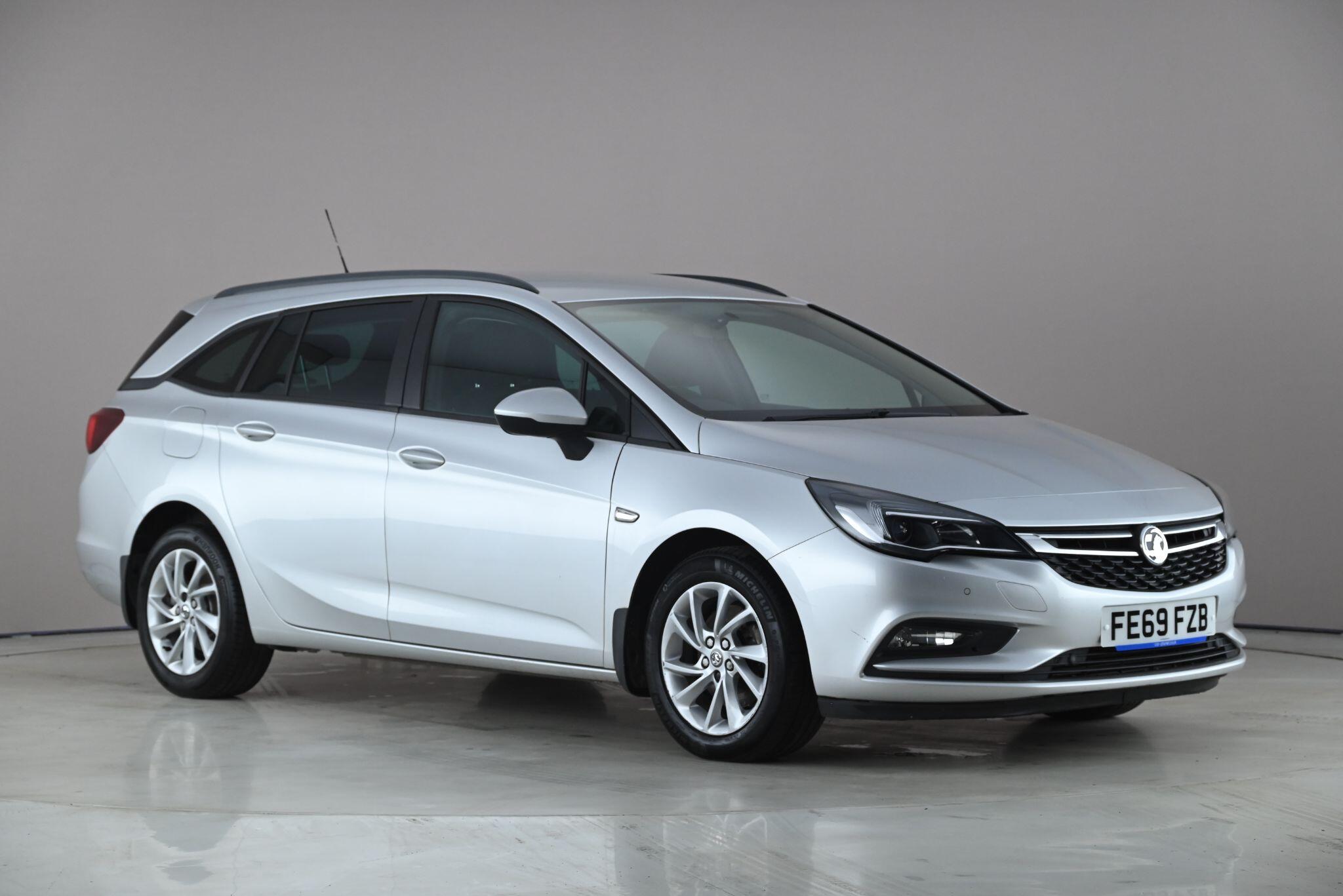
As a comparison that would mean buying a car like this:


I'm sure that's a reasonable car, but it being 7 years old and having 56,000 miles on the clock means that it's gong to be 17 years old with 136,000 miles on the clock 10 years time, as such may well have a greater risk of breakdown or general maintenance requirements
(for example the timing chain is recommended to be inspected by a mechanic at 80,000 to 100,000 miles, so there's a risk that it could need replacing).

 

Snow1964

Established Member
Joined
7 Oct 2019
Messages
11,015
Location
West Wiltshire
Spoken with a friend who worked at a car dealership (retired 2-3 years ago, but occasionally keeps in touch with old colleagues), and this is what he heard.

Been sudden (3 months ago, after fuel price leap) rapid increase in interest for electric cars, and they wish their brand sold more smaller electric cars as haven't good variety of electric types to suit all customers yet.

The other thing is apparently leases are less popular, most see electric as long term investment, especially whilst Government grants exist, and are looking at PCP or HP, with many mentioning putting money aside to settle the PCP because they intend to keep it

He says he has heard Renault 5 is most popular electric car sold to private buyers.

On more general note it seems like there is a market for lower spec, lower range electric runabouts, had a marketing email from CUPRA which includes new lower spec electric Raval at £23,785 now available to pre-order. Other examples of electric car starting prices :
Renault 5 starts at £21,495
Hyundai Inster is from £23,755.
BYD Dolphin surf from £18,675
Citroen e-C3 from £ 22,715
Fiat Grande Panda £20,995

At these amounts, a person planning on keeping car 10 years (and that is conservative when see number of 10-20 year old runabouts on the road) the sums work out at £175-195 per month (dividing purchase price by 10 years or 120 months). As electric cars tend to save £50-100 per month if use overnight electricity vs fuel, might only be paying net £100 per month

Yes I know some prefer banger-econonomics, but quite easy to spend few hundred a year on repairs and parts (plus all time and inconvenience of breakdowns), so gap of going electric, vs keeping an expensive to repair old runabout going is nowadays narrow.
 

AM9

Veteran Member
Joined
13 May 2014
Messages
16,006
Location
St Albans
The cost of the installation and maintenance should really be part of the management/service fee. I suppose there's the issue of someone not wanting to pay if they don't personally own an EV, but over time that issue will go away as most people will own one.

I've considered allowing access to my charger (there are services out there that will manage it, and take their cut) but I really don't want any issues with damage to my property, a vehicle not leaving on time and so on. I am not sure you could make that much money as to do so you'd need to increase your price, which would make people less likely to want to use you. When I've checked for local residents with open chargers, it doesn't seem like the scheme is very popular.
My comment was more about how a 'charge it to the driver's home electricity bill rate' might work as in those cases there would need to be recognition that they were using somebody else's equipment. Also, would a manufacturer of the charger see such use as going beyond normal domestic levels with respect to guaranteed etc..
 

jon0844

Veteran Member
Joined
1 Feb 2009
Messages
30,836
Location
UK
My comment was more about how a 'charge it to the driver's home electricity bill rate' might work as in those cases there would need to be recognition that they were using somebody else's equipment. Also, would a manufacturer of the charger see such use as going beyond normal domestic levels with respect to guaranteed etc..

And this is where you might need changes in legislation because I am not sure how it could work today with a charge being billed to another user, given how the metering would work. Obviously you could have the management company pay, then bill the other provider but who would want to risk that if it doesn't get paid? The liability would fall on the land owner.

But it could be done and I am sure something will be done in due course.

== Doublepost prevention - post automatically merged: ==

Yes I know some prefer banger-econonomics, but quite easy to spend few hundred a year on repairs and parts (plus all time and inconvenience of breakdowns), so gap of going electric, vs keeping an expensive to repair old runabout going is nowadays narrow.

My car had its 'major' service at two years old and it comprised of; pollen filter change and brake fluid change. Visual check of other parts, a plug in to check diagnostics and update firmware (if not already done over the air) and job done.

The intermediate service will be visual checks only.

My car had updated over the air, so the service took no time at all.

It probably takes longer to do an MOT!

This is something that people need to consider with their 'total cost of ownership' calculations.
 

Bletchleyite

Veteran Member
Joined
20 Oct 2014
Messages
112,941
Location
"Marston Vale mafia"
My car had its 'major' service at two years old and it comprised of; pollen filter change and brake fluid change. Visual check of other parts, a plug in to check diagnostics and update firmware (if not already done over the air) and job done.

The intermediate service will be visual checks only.

My car had updated over the air, so the service took no time at all.

It probably takes longer to do an MOT!

This is something that people need to consider with their 'total cost of ownership' calculations.

Really all EVs need is a slightly extended MoT. Much of what is required is in my view just a job creation exercise to keep the dealers on side because servicing is how they make a lot of their money. EV manufacturers with wholly new dealer networks (e.g. the Chinese lot and Tesla) of course don't need to do this and can stick to what the car physically needs, which is very little, given that the most important bit of ICE servicing is oil and filter.
 

notverydeep

Member
Joined
9 Feb 2014
Messages
1,176
Many of these small electrics will be a still better bet economically, when they start to come onto the second hand market at 3 to 5 years old…
 

Bletchleyite

Veteran Member
Joined
20 Oct 2014
Messages
112,941
Location
"Marston Vale mafia"
Many of these small electrics will be a still better bet economically, when they start to come onto the second hand market at 3 to 5 years old…

Priming the used market is something that is still in progress. There are used Leafs at very attractive prices if range isn't important (i.e. as an urban runaround) but not a lot less. That said, for those who buy at 2-3 years old there are now lots of good options at ICE-like prices - I'm seriously considering it now.
 

jon0844

Veteran Member
Joined
1 Feb 2009
Messages
30,836
Location
UK
Priming the used market is something that is still in progress. There are used Leafs at very attractive prices if range isn't important (i.e. as an urban runaround) but not a lot less. That said, for those who buy at 2-3 years old there are now lots of good options at ICE-like prices - I'm seriously considering it now.

Despite the terrible design of early Leaf batteries, many have held up pretty well because they've only ever been slow charged (by today's standards). As such there are some real bargains to be had.

I realise some will say the risk is too high, but there are people (even here) that say they're buying old bangers as a cheap runaround - so what's the difference? You can monitor the battery state of health easier than other mechanical parts on an ICE car so the risk is actually far lower.
 

Bletchleyite

Veteran Member
Joined
20 Oct 2014
Messages
112,941
Location
"Marston Vale mafia"
Despite the terrible design of early Leaf batteries, many have held up pretty well because they've only ever been slow charged (by today's standards). As such there are some real bargains to be had.

I realise some will say the risk is too high, but there are people (even here) that say they're buying old bangers as a cheap runaround - so what's the difference? You can monitor the battery state of health easier than other mechanical parts on an ICE car so the risk is actually far lower.

Agreed. A Leaf would be a perfectly competent urban runaround.

The one bit of the bangernomics market they'd not really work for is the young person's first car, as range is usually low enough (given that it wasn't high to start with) that it wouldn't be feasible for them to do a road trip with their mates in one. But for a second family car that is only used for doing the shopping and dropping the kids off at school (and maybe a typical short urban commute, say 10 miles each way) they are pretty much perfect, and cheap too.
 

jon0844

Veteran Member
Joined
1 Feb 2009
Messages
30,836
Location
UK
Agreed. A Leaf would be a perfectly competent urban runaround.

The one bit of the bangernomics market they'd not really work for is the young person's first car, as range is usually low enough (given that it wasn't high to start with) that it wouldn't be feasible for them to do a road trip with their mates in one. But for a second family car that is only used for doing the shopping and dropping the kids off at school (and maybe a typical short urban commute, say 10 miles each way) they are pretty much perfect, and cheap too.

One problem with an old car with a limited range and slow charging is that you really can use it only for short trips. It's not really a car you can occasionally do a long trip in and charge at public chargers because of the low speed (and for a Leaf, you'd probably need to buy an adapter as many new sites won't offer the connector you need anymore). I mean, you could still do it if you weren't constrained by a time limit to get somewhere but I doubt many would.

And if a new driver was living at home with mum and dad, and there was another car or two in the household, the Leaf needs more regular access to the charger and so you'd need a driveway and possibly to shuffle cars around.

But for those who can say 'I only need a cheap car to go to the shops or train station' and have no other car, and a driveway, they seem ideal. And there are many alternatives to the Leaf, some of which have bigger batteries and faster charging anyway.
 

Snow1964

Established Member
Joined
7 Oct 2019
Messages
11,015
Location
West Wiltshire
Looks like another county is making provision for its 33% of residents without drives that cannot have home charging. 17,000 public charge points in partnership with Believ

The Hampshire scheme forms part of a national strategy to expand neighbourhood provision, addressing the current challenges faced by households without access to private off-street parking such as driveways or garages. RAC data shows that a third (33%) of Hampshire residents don’t have access to off-street parking options, with that figure rising to 38% in Winchester and Rushmoor, and 39% in Basingstoke.

The County Council has secured £6.662 million from the Department for Transport – which has unlocked significant private capital investment totalling up to £90million, enabling the programme to be delivered at no cost to the County Council. This also places Hampshire currently as the largest Local Authority-led EV infrastructure project in England. Moreover, the Local Authority will receive a portion of income from the scheme once operational.


Mawkie

Established Member
Joined
17 Feb 2016
Messages
1,242
Providing charging for households that don't have home access is a good idea. The article is a little light on detail (as always).

In London, lampost charging can cost £0.76 per kWh with Ubitricity (aka Shell) and £0.60 with Char.gy (who then charge a £0.12 'connection fee').

If we accept the charge point operators' complaints that grid connections are very expensive to achieve, time consuming to install, chargers are expensive to buy and maintain, site fees are expensive to lease, and all the other things that contribute to expensive rapid and ultra charging sites (and I don't necessarily accept that BTW), then there is no reason for 76p per kWh for a lampost, where there are miniscule installation fees, a typically very slow rate of charge, no major infrastructure costs, and I have to bring my own cable! It's blatant profiteering and is hindering the take up of EV adoption.

Believ do have a better reputation for slightly cheaper charging costs, but if they are adapting lamposts to provide charging (the article doesn't specify) then it needs to be much closer to undiscounted home charging rates eg £0.27 - £0.35 per kWh.

Screenshot_2026-06-24-08-22-30-84_3aea4af51f236e4932235fdada7d1643.jpg
(Image shows a basic lampost charge point installation.)
 

rangersac

Member
Joined
28 Jul 2019
Messages
73
Despite the terrible design of early Leaf batteries, many have held up pretty well because they've only ever been slow charged (by today's standards). As such there are some real bargains to be had.
Also because of their limited range they will generally have pretty low mileage for their age, so wear and tear on suspension and other components is often pretty low
 

andrewgs

Member
Joined
27 Feb 2018
Messages
23
Looks like another county is making provision for its 33% of residents without drives that cannot have home charging. 17,000 public charge points in partnership with Believ
It's worth interogating those figures a bit, from your article:
The County Council has awarded a 15-year concession contract
This article has a little more information https://www.transportxtra.com/publi...1079/hampshire-s-believ-to-roll-out-chargers/
The majority of chargers will be standard plus (22kW) sockets to support residential long-stay and overnight charging needs.
The approach is designed to support residents without access to private driveways and help ensure charge points are available within a five?minute walk of households, where possible. The roll-out will also include more than 800 rapid chargepoints (50kW+) to serve shorter top ups.
...
Installations are expected to begin later this year, with around 500 chargepoints planned for delivery in the first year of the programme.

It is interesting they've gone with 22 kW chargers rather than 7 kW. This feels a good decision, the cost of a 3 phase home supply (google suggets several £k for a house) seems worthwhile for the faster speed when spread accross many people using each charger, and allows more people to charge a car using each charger per day.

Spreading their investment cost over all the chargers gives a cost per charger that seems too low to be realistic:
£90M investment / 17k chargers = £5k/charger
So I suspect that the £90M is for the first few years of chargers and the subsequent years are funded by profit on those chargers. Other than the 500 in the first year it's unclear what the £90M covers.

Hampshire county has a population of 1.2M, 33% don't have driveways so that's 400k without driveways. Nationwide there's an average of 0.5 cars per person, though that'll be higher for houses with driveways and lower for those without. Taking 0.5 as an upper bound gives
200k cars/17k chargers = 12 cars per charger.
Which feels like a good number of chargers given they're 22 kW.

Oddly these 22 kW chargers were rated by Oxfordshire as the worst option! https://mycouncil.oxfordshire.gov.u... Vehicle Infrastructure Strategy 20210225.pdf
Screenshot 2026-06-24 104719.png


This is concerning as it shows there will be profits generated by the scheme. Why should local residents without driveways contribute more to their council than those without, while also paying more for their motoring?
the Local Authority will receive a portion of income from the scheme once operational
It also suggests you'll see prices like
In London, lampost charging can cost £0.76 per kWh with Ubitricity (aka Shell) and £0.60 with Char.gy (who then charge a £0.12 'connection fee').
 

Top