
-
Our new ticketing site is now live! Using either this or the original site (both powered by TrainSplit) helps support the running of the forum with every ticket purchase! Find out more and ask any questions/give us feedback in this thread!
You are using an out of date browser. It may not display this or other websites correctly.
You should upgrade or use an alternative browser.
You should upgrade or use an alternative browser.
The Middle East conflict
- Thread starter Killingworth
- Start date
Sponsor Post - registered members do not see these adverts; click here to register, or click here to log in
R
RailUK Forums
That's a fair assessment, I'd say. I do recall upthread you suggested the US should consider just walking away - I (genuinely!) wonder if that would not have actually been a better approach, i.e. clear off, and leave the Strait of Hormuz as a problem for the international community (specifically excl. the USA) to deal with. The RotW would get pretty sick of it being blocked without the US being a continuing aggressor to the conflict, whereas with the current "resolution" (!) I can see it still being used as a bargaining chip.I wouldn't have supported further action, but that's the only way they could have got something better than what they got.

Killingworth
Established Member
That's annotated as Disputed. As any of us can edit Wikipedia it's hardly official.Wikipedia officially considers this war to have been won by Iran:

Good op-ed by Simon Jenkins here, who makes a good point about Iran's increasing isolation being a severe own goal for the West: https://www.theguardian.com/comment...asefire-deal-victory-iran-sanctions-tehran-us
For all the shouting, we can at least be grateful this did not turn into another forever war. But it was a gross misstep by Trump, and we should be reminded he would not be the only president who could have instigated this conflict. The desire for further conflict with Iran ran deep in the American military-industrial complex, and writing this off as a Trump-only error would be a mistake. The American elite are becoming less wise and less circumspect during the country's relative decline, and this is a strategic risk for Britain to take note of.
The best outcome of the war would be the ending of sanctions and the opening of Iran to outside commerce and contact. This is far more likely to dilute the regime’s grip on society than any bombing. In the longer term, it will be the only path to political liberty in that country. Isolation has been counterproductive, further drenching Iran in the mythology of fundamentalist Islam and driving it into the arms of Russia and China. This could not have been more hostile to western interests.
For all the shouting, we can at least be grateful this did not turn into another forever war. But it was a gross misstep by Trump, and we should be reminded he would not be the only president who could have instigated this conflict. The desire for further conflict with Iran ran deep in the American military-industrial complex, and writing this off as a Trump-only error would be a mistake. The American elite are becoming less wise and less circumspect during the country's relative decline, and this is a strategic risk for Britain to take note of.

I agree that the desire for conflict with Iran runs deep through the US establishment, but they would prefer a slow bubble much as has existed since the 70s. Because preparing for war is more profitable than actual war.But it was a gross misstep by Trump, and we should be reminded he would not be the only president who could have instigated this conflict. The desire for further conflict with Iran ran deep in the American military-industrial complex, and writing this off as a Trump-only error would be a mistake.
Gloster
Veteran Member
For all the shouting, we can at least be grateful this did not turn into another forever war. But it was a gross misstep by Trump, and we should be reminded he would not be the only president who could have instigated this conflict. The desire for further conflict with Iran ran deep in the American military-industrial complex, and writing this off as a Trump-only error would be a mistake. The American elite are becoming less wise and less circumspect during the country's relative decline, and this is a strategic risk for Britain to take note of.
Trump may not be the only one who could have started such a war, but he is (so far) the only one who could have conducted it in such a chaotic and ultimately counter-productive way. Others would have gone in with a clear idea of what their aims were and how they were to achieve them, but as ’no plan survives first contact with the enemy’ (Moltke) they would be ready to adjust them as the situation developed. Of course their weakness would be that they would want to avoid getting involved in a long war like Vietnam.
edwin_m
Veteran Member
Maybe other presidents were wise enough not to listen to their advisors or Netanyahu, or at least not to act on what they heard.But it was a gross misstep by Trump, and we should be reminded he would not be the only president who could have instigated this conflict.

SargeNpton
Established Member
- Joined
- 19 Nov 2018
- Messages
- 1,755
Or, in more recent memories, Iraq and Afghanistan - where the war went well but not the peace afterwards.Of course their weakness would be that they would want to avoid getting involved in a long war like Vietnam.
What's happened here is very bad but the alternative is a long and drawn out proxy war which extends the damage further. This conflict has been coming for a long time; many of the candidates for President last time out would have been embroiled in Iran in some way. As it is, we have had an explosive and short war, rather than a long one.Maybe other presidents were wise enough not to listen to their advisors or Netanyahu, or at least not to act on what they heard.
The real loss here is the further erosion of American moral and intellectual authority, which has happened in a more pronounced way due to the failure of the initial regime change efforts and a rapid humiliation of the president.
Something that completely
A smart US leader would have taken the current weakness of Russia due to their misadventure in Ukraine as an opportunity to weaken the Iranian leadership's grip over the populace by making overtures towards opening up and encouraging the opposition. The deal that was on the table in February was better than what they got now, simply because the regime was feeling a little weak in that moment due to the protests at the end of last year. Now they are openly crowing about having beaten the evil Satan.
If by 'embroiled' you mean militarily then no, that was not inevitable. As noted above, almost 50 years of confrontation and isolation did nothing but entrench the hardliners and push Iran closer to Russia and China.This conflict has been coming for a long time; many of the candidates for President last time out would have been embroiled in Iran in some way. As it is, we have had an explosive and short war, rather than a long one.
A smart US leader would have taken the current weakness of Russia due to their misadventure in Ukraine as an opportunity to weaken the Iranian leadership's grip over the populace by making overtures towards opening up and encouraging the opposition. The deal that was on the table in February was better than what they got now, simply because the regime was feeling a little weak in that moment due to the protests at the end of last year. Now they are openly crowing about having beaten the evil Satan.
Yes, this. It's obviously the case that if the US committed all its resources and enlisted its allies to defeating Iran, and was willing to suffer both loss of life and extended pain on energy supply, it would eventually be successful - but this was best kept as an "ultimate threat", one from which we achieved things like the JCPOA.The deal that was on the table in February was better than what they got now, simply because the regime was feeling a little weak in that moment due to the protests at the end of last year. Now they are openly crowing about having beaten the evil Satan.
This debacle, started at a time when the world can least afford pressure on energy supply, has revealed US divisions on the topic; divisions which might not have existed if Iran escalated first. The chances of a future president starting - or US allies agreeing to - a war with Iran are now far less likely, which in turn means Iran knows it can get away with more - both from this deal and also from their future actions. It has pretty obviously decreased security in the region.
edwin_m
Veteran Member
Vietnam, Afghanistan and Iraq have shown they they aren't willing to take that commitment on, or perhaps they did and it wasn't enough.Yes, this. It's obviously the case that if the US committed all its resources and enlisted its allies to defeating Iran, and was willing to suffer both loss of life and extended pain on energy supply, it would eventually be successful
The fundamental failure in all of those conflicts was that, much like this most recent one, they didn't clearly define 'success' before starting and, especially in the case of Vietnam, constantly redefined success. The lack of a clear goal from the political arm meant that the military arm were left unable to plan properly in terms of strategy and force levels.Vietnam, Afghanistan and Iraq have shown they they aren't willing to take that commitment on, or perhaps they did and it wasn't enough.
edwin_m
Veteran Member
I'd say with Vietnam the success criterion was to get the Communists out of the north - failed completely. For Afghanistan, get rid of the Taliban - thought they succeeded but turned out otherwise. For Iraq get rid of the Saddam regime - succeeded ("mission accomplished") but with no consideration of what came next. For Iran there wasn't even a consistent objective for more than a few hours.The fundamental failure in all of those conflicts was that, much like this most recent one, they didn't clearly define 'success' before starting and, especially in the case of Vietnam, constantly redefined success. The lack of a clear goal from the political arm meant that the military arm were left unable to plan properly in terms of strategy and force levels.
I just had an interesting 'conversation' with Gemini which has updated my understanding of the Vietnam war.I'd say with Vietnam the success criterion was to get the Communists out of the north - failed completely.
The objective of the war was never to get the Communists out of the North, it was to prop up the Republic of Vietnam. However, this was fundamentally impossible given the structural weaknesses in their government and military:
Google Gemini said:The United States was trying to sustain a proxy state (South Vietnam) whose political leadership was widely seen as corrupt, unmotivated, and tied to former French colonial rule. Meanwhile, North Vietnam and the Viet Cong successfully captured the powerful narrative of Vietnamese nationalism, independence, and unification.
In this view, the war was unwinnable because:
Ultimately, there is no consensus on a winning strategy because every alternative path simply traded one fatal flaw for another.
- Asymmetry of Will: North Vietnam was willing to accept virtually unlimited casualties (losing an estimated 1.1 million soldiers) and fight for decades because they viewed it as a total war for national survival. For the United States, it was a limited, secondary Cold War theater.
- The Legitimacy Paradox: The more the US intervened to "save" South Vietnam—whether through massive conventional bombing or intrusive village pacification—the more it undermined the Saigon government's claim to be an independent, legitimate nation, making it look like an American puppet.
I'm fairly sure that when NATO went in to Afghanistan the objective was to capture/kill Osama Bin Laden and deny Al Qaeda a base of operation. Getting rid of the Taliban was pure mission creep.For Afghanistan, get rid of the Taliban - thought they succeeded but turned out otherwise.
Agreed that they didn't have a plan for what Iraq looked like post-Saddam.For Iraq get rid of the Saddam regime - succeeded ("mission accomplished") but with no consideration of what came next.
100%For Iran there wasn't even a consistent objective for more than a few hours.

brad465
Veteran Member
Shock horror, Israeli forces can't wind their necks in and the Strait has closed again due to attacks in Lebanon:
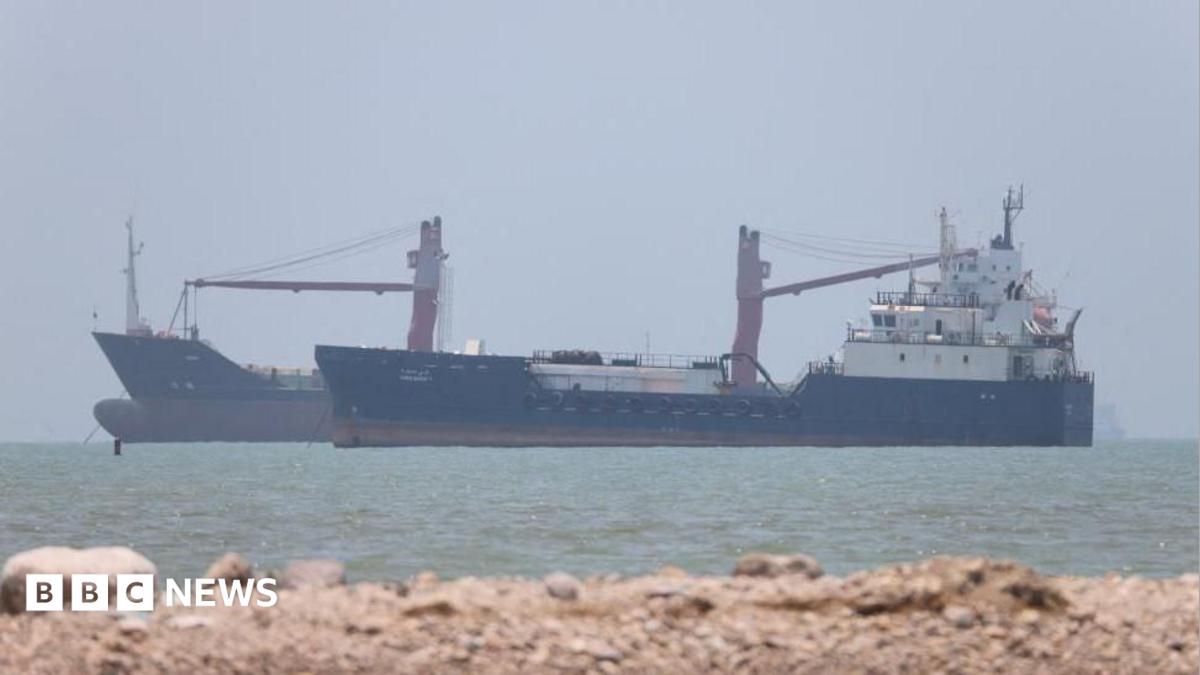
 www.bbc.co.uk
US denies Iran's claim to have closed Strait of Hormuz over Israeli attacks in Lebanon
US Vice-President JD Vance is heading to Switzerland for more talks, and an Iranian delegation has already arrived.
www.bbc.co.uk
Iran says it is closing Strait of Hormuz over Israeli strikes in Lebanon
Iran's military says it is closing the Strait of Hormuz over continuing Israeli strikes in Lebanon.
It accuses the US and Israel of violating the ceasefire deal.
This is a breaking news story, stay with us for the latest.
The hawks in Israel don't want this war to end because they know that this is their one and only chance to get/keep the USA involved in a major conflict against Iran. And the terms of the Memorandum of Understanding leave Iran in as strong, if not a stronger, position than they were before this war started.Shock horror, Israeli forces can't wind their necks in and the Strait has closed again due to attacks in Lebanon:
Much has been said on what a strategic mis-step this has been for the USA, but it has also been a pretty clear strategic mis-step for Israel. Now they have their other operations in the region tied into the peace deal (which as we know, Trump badly wants).
brad465
Veteran Member
The hawks in Israel don't want this war to end because they know that this is their one and only chance to get/keep the USA involved in a major conflict against Iran. And the terms of the Memorandum of Understanding leave Iran in as strong, if not a stronger, position than they were before this war started.
Iran have been very clever with this, as it effectively means US politicians have to choose between support for Israel and their election prospects, while it also directly links Israeli military actions to cost of living concerns around the world. Given CoL's ability to kill of governments electorally, it will also kill off support for Israel and make the chances of them being sanctioned and deprived of military supplies from the US much higher.Much has been said on what a strategic mis-step this has been for the USA, but it has also been a pretty clear strategic mis-step for Israel. Now they have their other operations in the region tied into the peace deal (which as we know, Trump badly wants).
Nicholas Lewis
Established Member
Flair up in Strait of Hormuz tonight after Iranian attacks on vessels not using their route so the US have launched a counter attack on their coastal facilities
https://www.bbc.co.uk/news/articles/cwykq59jwpvo
https://www.bbc.co.uk/news/articles/cwykq59jwpvo
The US has launched a series of "powerful" strikes on Iran in response to attacks on three commercial vessels in the Strait of Hormuz.
US Central Command (Centcom) said on Tuesday it had begun the assault, "to impose heavy costs for targeting and attacking commercial shipping crewed by innocent individuals in an international waterway".
The tankers were damaged within a 24-hour period on Monday and Tuesday, according to the UK Maritime Trade Operations (UKMTO). No casualties were reported.
Iran has not claimed responsbility for the strikes on the vessels.
Earlier on Tuesday, a US official said Iran would be met with consequences and called the attacks "wholly unacceptable".
The US Treasury had also revoked a sanctions waiver that temporarily lifted oil sanctions on Iran.
Qatar and Saudi Arabia have also denounced the attacks, with each saying a tanker from its country had been hit as it was transiting in or near the Strait.
Centcom said in a statement posted to X that US strikes were "in response to Iranian attacks".
"Iran's demonstrated aggression was unwarranted, dangerous, and a clear violation of the ceasefire," it said.
Good thing that DJT ended the war or both parties could be regularly shooting at each other.Flair up in Strait of Hormuz tonight after Iranian attacks on vessels not using their route so the US have launched a counter attack on their coastal facilities
https://www.bbc.co.uk/news/articles/cwykq59jwpvo
syorksdeano
Member
- Joined
- 7 Jan 2011
- Messages
- 781
A shame that Iran are out of the World Cup. Could you imagine Trump's face if Iran won it.Good thing that DJT ended the war or both parties could be regularly shooting at each other.
brad465
Veteran Member
"The ceasefire is over" - Trump
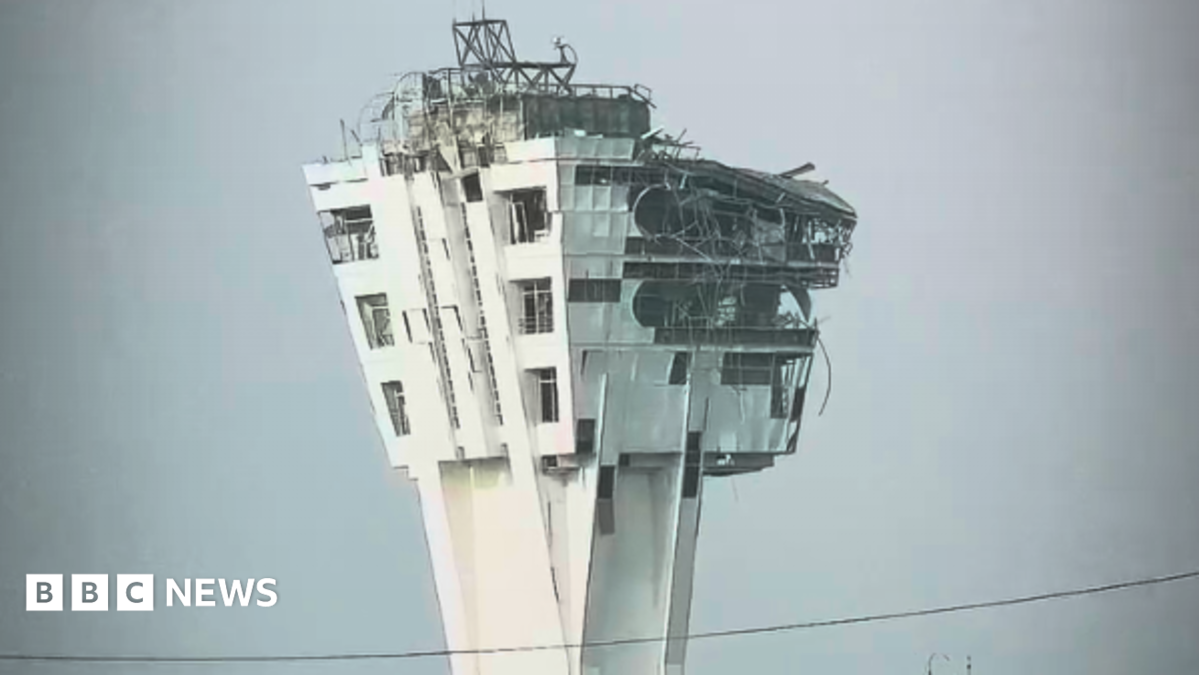 www.bbc.co.uk
Tehran launches more strikes after explosions reported in southern Iran
Iranian state media accuses the US of striking near a nuclear power plant this afternoon. The US has not confirmed new strikes.
www.bbc.co.uk
Trump says ceasefire with Iran is 'over'
Asked about the ceasefire between the US and Iran, Donald Trump says: "I think it's over."
He tells reporters at the Nato summit: "I don't want to deal with them anymore, they're scum."
"As far as I'm concerned, it's over," he adds. "It's just a waste of time dealing with them, they're liars."
Trump says negotiators from both sides "can talk" but are "wasting their time".
And those oil futures that his friends bought the week that the ceasefire was announced suddenly became much more valuable..."The ceasefire is over" - Trump

Annetts key
Established Member
Says Trump, a confirmed pathological liar who's word cannot be trusted and who changes his mind from day to day IMHO.Tehran launches more strikes after explosions reported in southern Iran
Iranian state media accuses the US of striking near a nuclear power plant this afternoon. The US has not confirmed new strikes.Trump says ceasefire with Iran is 'over'
Asked about the ceasefire between the US and Iran, Donald Trump says: "I think it's over."
He tells reporters at the Nato summit: "I don't want to deal with them anymore, they're scum."
"As far as I'm concerned, it's over," he adds. "It's just a waste of time dealing with them, they're liars."
Trump says negotiators from both sides "can talk" but are "wasting their time".

Tetchytyke
Veteran Member
Don't be so cynical. We all know Trump and his advisers are all as honest as the day is long. How dare you suggest it is all a game to them.And those oil futures that his friends bought the week that the ceasefire was announced suddenly became much more valuable...
brad465
Veteran Member
And more strikes launched:
www.bbc.co.uk
Tehran launches more strikes after explosions reported in southern Iran
Iranian state media accuses the US of striking near a nuclear power plant this afternoon. The US has not confirmed new strikes.
www.bbc.co.uk
US military says it's carrying out further strikes on Iran
US Central Command says it is carrying out further strikes on Iran.
It says on social media: "At the direction of the Commander in Chief, U.S. Central Command forces have started conducting additional strikes against Iran to further degrade their ability to threaten freedom of navigation in the Strait of Hormuz.
"The United States is holding Iran accountable for recent unjustified aggression against commercial shipping and civilian crews freely navigating a vital international waterway."
So much for the Trump the dealmaker.And more strikes launched...
One interesting thing about that statement from US Central Command. This:
...doesn't say what they're trying to make you think it says. Many people will read this as the USA responding to attacks on ships travelling in international waters. However the shipping routes through the Strait of Hormuz pass through either Iranian or Omani waters (the most recent Iranian attacks happened on the Omani route). This means that, despite DJT's election promises, the USA is literally taking on the role of policeman to the world - punishing Iran for an attack on a Qatari ship in Omani waters."The United States is holding Iran accountable for recent unjustified aggression against commercial shipping and civilian crews freely navigating a vital international waterway."
brad465
Veteran Member
Groundhog day:
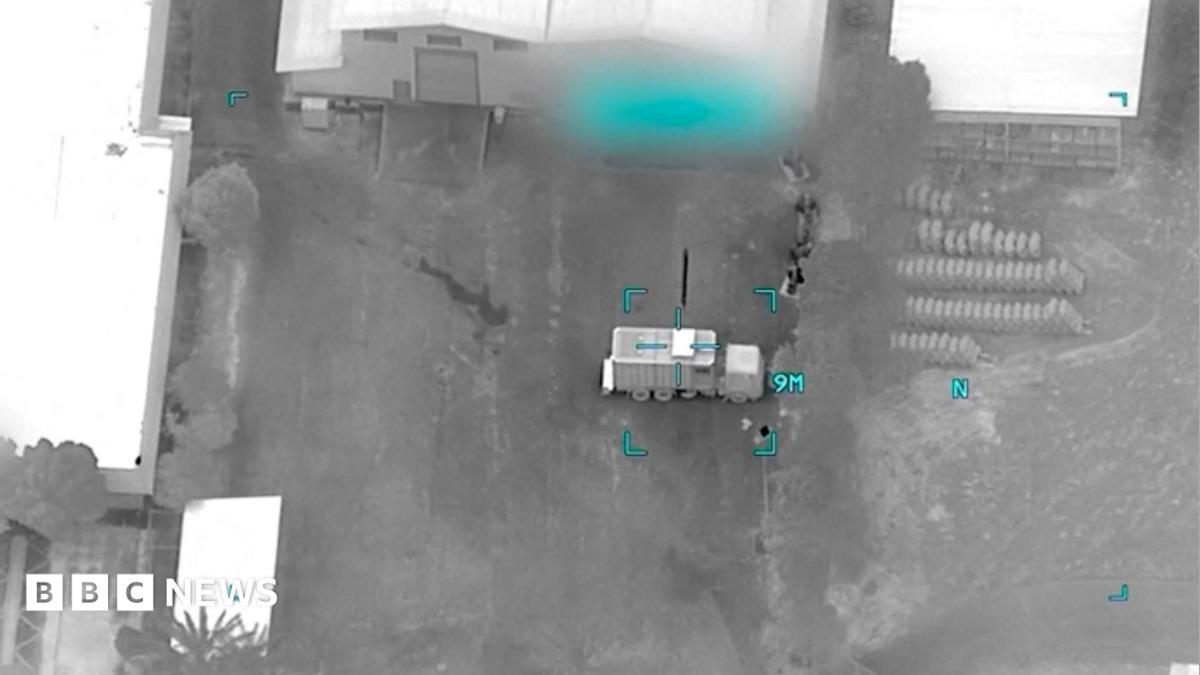 www.bbc.co.uk
US launches fresh strikes as Iran closes Strait of Hormuz
The strikes follow an attack on a Cyprus -flagged vessel travelling through the critical waterway.
www.bbc.co.uk
The US launched a fresh wave of strikes in response to Iranian forces hitting a ship passing through the Strait of Hormuz.
In response to the American strikes, Iran's Islamic Revolutionary Guard Corps (IRGC) said the waterway was closed until further notice and launched attacks on US bases and allies in the region.
The IRGC said it had hit a US base in Jordan, while the United Arab Emirates, Qatar, Kuwait and Bahrain all responded to missiles and drones from Iran.
It comes after incidents earlier this week in which three commercial tankers were attacked, prompting an exchange of strikes between the US and Iran.
Earlier on Sunday, state media said Iran had closed the Strait until further notice after firing a naval cruise missile at a vessel that was attempting to sail along an unapproved route.
The Guards said the vessel was "hit by warning shots and stopped" after ignoring repeated instructions, according to a statement carried by state news agency.
It also warned that any US "aggression" as a result of the closure would be responded to with "severity" and new bases in the region would be targeted.
Iran's parliamentary speaker Mohammad Bagher Ghalibaf, who is also the country's chief negotiator with the US, wrote on X that the "era of one-sided deals is OVER".
He went on: "We told you: keep your word or pay the price. Reality is knocking."
Launching a third round of strikes this week, US Central Command (Centcom) the IRGC "blatantly attacked" a Cyprus-flagged vessel in the Strait of Hormuz.
Centcom said the MV GFS Galaxy was "unable to continue its journey" as a result of significant damage to the engine room. A crew member was missing, it added.
The UK's Maritime Trade Operations (UKMTO) said it had been informed by military authorities that the crew of the vessel were forced to abandon ship and were in a lifeboat.
"Iran was provided yet another opportunity to demonstrate adherence to the Memorandum of Understanding after being held accountable for earlier attacks on commercial vessels but has again failed," Centcom wrote in a statement shared to X.
It said US strikes hit 140 Iranian military targets, including missile and drone sites, communication networks, and coastal surveillance locations.
The statement was shared by US Secretary of Defense Pete Hegseth, who wrote: "Iran made a poor choice. Now they pay."
The IRGC said the US had targeted "a number of coastal bases and telecommunications towers on the southern coast".
In response, Iran said its "first phase" of retaliation included strikes on the Prince Hassan Air Base in Jordan, saying it had destroyed the base's command and control centre and MQ9 drone hangars.
And now the US is imposing a blockade on Iranian ports and transit through the Strait of Hormuz, with the additional twist that the USA will impose a 20% "fee" for ships that do transit:Groundhog day...
Source: BBC NewsWhat Donald Trump's latest announcement of a new blockade on Iranian ports means in practice remains unclear.
Many US allies are likely to baulk at the prospect of reimbursing the US and paying 20% of all cargo shipped - and his detractors at home and abroad are likely to point out that the strait was open and unencumbered before Operation Epic Fury began on 28 February.
The announcement could also become politically complicated for the president domestically.
Some lawmakers - including Republicans - had openly questioned what the US gained from the ceasefire, its extension and further negotiations.
Many Americans are also likely to wonder why - despite repeated promises to the contrary - oil prices are inching up again. Trump is not on the ballot for the upcoming midterm elections, but other Republicans are and will be hearing from constituents concerned about prices.
The announcement could also be a bid to restart negotiations and push other countries to be more involved, a tactic that Trump has used in the past.